
Hungary packs more historical wonders into its cities than most travelers ever imagine. The country boasts over 1,000 years of recorded history and at least eight stunning UNESCO World Heritage Sites. Yet most people rush past these treasures on the way to more popular European hotspots. Few realize that Hungarian landmarks are more than architectural eye candy. Each monument reveals wild stories of royalty, rebellion, and resilience just waiting to be uncovered.
Table of Contents
- Discover The Buda Castle’s Rich History
- Explore The Beauty Of The Parliament Building
- Marvel At The Scenic Chain Bridge
- Visit St. Stephen’s Basilica For Its Architecture
- Experience The Great Market Hall’s Local Flavor
- Relax At Széchenyi Thermal Baths
- Journey To The Historic Town Of Eger
Quick Summary
| Takeaway | Explanation |
|---|---|
| Explore Buda Castle’s rich history. | Visit to learn about Hungary’s architectural evolution and significant historical events over centuries. |
| Experience the stunning Hungarian Parliament Building. | Observe its Neo-Gothic design and explore its interior, including the Crown Jewels and artistic elements. |
| Admire the Széchenyi Chain Bridge’s significance. | Discover the bridge as a symbol of unity between Buda and Pest, showcasing engineering innovation. |
| Indulge in local dishes at the Great Market Hall. | Experience authentic Hungarian cuisine and vibrant local culture in this architectural landmark. |
| Relax at Széchenyi Thermal Baths for wellness. | Enjoy the therapeutic waters and communal atmosphere of the largest medicinal bath in Europe. |
1: Discover the Buda Castle’s Rich History
Buda Castle stands as a magnificent testament to Hungary’s royal heritage, perched dramatically above the Danube River in Budapest. This UNESCO World Heritage Site represents more than just an architectural marvel – it’s a living chronicle of Hungarian history spanning centuries of transformation.
Located on Castle Hill, this extraordinary complex has witnessed numerous historical epochs, from medieval royal residences to imperial Habsburg headquarters and modern national symbol. According to research from the Castle of Buda database, the castle has undergone significant reconstructions, reflecting the dynamic political landscapes that shaped Hungary.

Visitors exploring Buda Castle will encounter a remarkable blend of architectural styles that narrate Hungary’s complex past. Key historical highlights include:
- The original medieval castle constructed in the 13th century
- Significant Renaissance expansions during King Matthias’ reign
- Extensive Baroque redesigns under Habsburg rule
- Post World War II reconstructions reflecting political changes
The castle’s significance extends beyond its architectural beauty. It represents a profound cultural landmark that encapsulates Hungary’s resilience and historical depth. For travelers eager to understand Hungarian heritage, exploring UNESCO World Heritage Sites in Hungary offers deeper insights into the nation’s rich cultural tapestry.
Today, Buda Castle houses multiple museums, including the Hungarian National Gallery and Budapest History Museum, allowing visitors to immerse themselves in centuries of artistic and historical narratives. Its stunning panoramic views of Budapest make it not just a historical site, but a breathtaking destination that connects visitors directly with Hungary’s extraordinary past.
2: Explore the Beauty of the Parliament Building
The Hungarian Parliament Building stands as one of Europe’s most spectacular architectural gems, representing a breathtaking symbol of national pride and historical significance. Situated along the picturesque Danube River in Budapest, this magnificent structure captures the imagination of travelers with its intricate Neo-Gothic design and stunning architectural complexity.
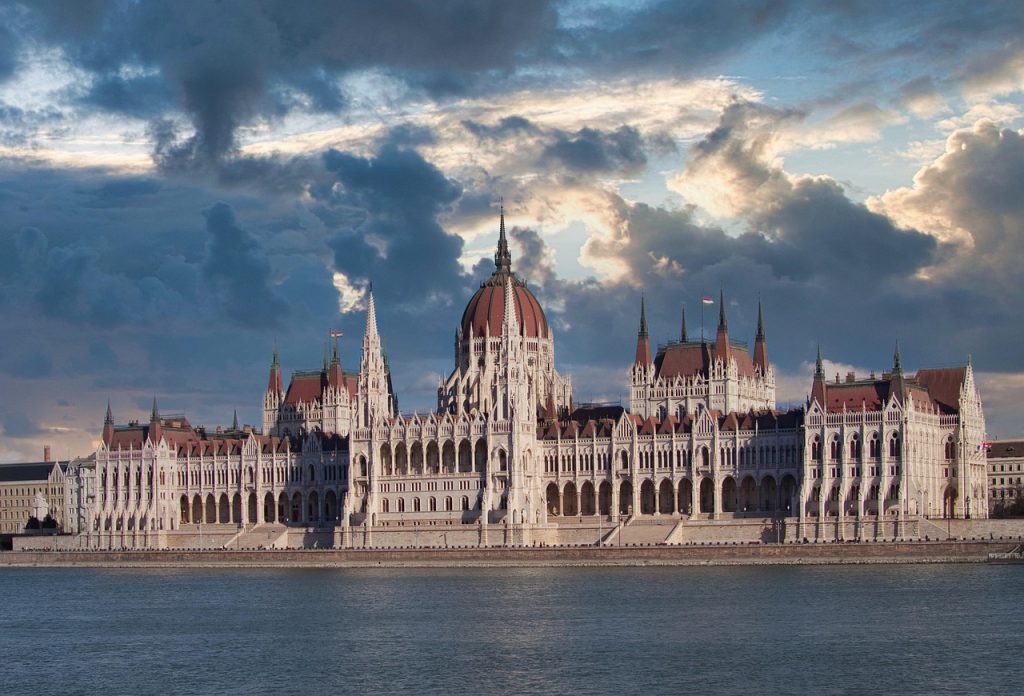
The building was designed by architect Imre Steindl and constructed between 1882 and 1902, embodying the grandeur of the Austro-Hungarian Empire’s golden era. Its remarkable details showcase extraordinary craftsmanship:
- Constructed using 40 million bricks
- Adorned with half a million precious stones
- Decorated with 40 kilograms of pure gold
- Matches the height of St. Stephen’s Basilica
Inside, visitors can explore stunning interiors that highlight Hungary’s rich parliamentary traditions. The building’s symmetrical layout and intricate decorative elements reflect a commitment to artistic excellence. Learn more about this iconic Neo-Gothic landmark to fully appreciate its historical and architectural significance.
The Parliament Building is not just an architectural marvel but a living testament to Hungarian democracy and cultural heritage. Its imposing facade, featuring multiple towers and ornate stone carvings, represents the nation’s resilience and artistic sophistication. Guided tours offer visitors an opportunity to witness the building’s spectacular interior, including the stunning main hall and the Hungarian Crown Jewels, making it an essential destination for travelers seeking to understand Hungary’s complex and fascinating history.
3: Marvel at the Scenic Chain Bridge
The Sz e9chenyi Chain Bridge symbolizes more than just a transportation route – it represents the historical transformation of Budapest and Hungary itself. Spanning the majestic Danube River, this iconic landmark connects Buda and Pest, creating a powerful narrative of national unity and architectural innovation.

According to research from Budapest historical archives, the bridge was completed in 1849 and was considered one of the engineering wonders of its time. Its significance extends far beyond mere infrastructure, embodying the spirit of Hungarian modernization during the 19th century.
Key historical features of the Chain Bridge include:
- First permanent bridge across the Danube in Hungary
- Designed by English engineer William Tierney Clark
- Symbolizes the unification of Buda and Pest
- Constructed using groundbreaking suspension bridge technology
The bridge’s architectural elegance is matched by its profound cultural importance. Its lion statues, crafted by sculptor J nos Marschalkó, guard the entrance and have become iconic symbols of Budapest. Visitors can appreciate stunning views of the city’s skyline, with the Parliament Building and Buda Castle visible from its pedestrian walkways.
While exploring Budapest’s architectural marvels, travelers can discover more about Hungary’s famous landmarks and understand the rich historical context that makes this bridge more than just a crossing point. At night, when illuminated, the Sz e9chenyi Chain Bridge transforms into a breathtaking spectacle, reflecting the city’s vibrant energy and historical depth.
4: Visit St. Stephen’s Basilica for its Architecture
St. Stephen’s Basilica stands as a magnificent testament to Hungarian architectural brilliance, representing one of Budapest’s most stunning religious and cultural landmarks. Located in the heart of the city, this neo-classical masterpiece captures the essence of Hungary’s rich architectural heritage and spiritual significance.

The basilica was designed by renowned architect Mikls Ybl, featuring a magnificent Greek cross ground plan and impressive architectural details. Its construction symbolizes the profound connection between spiritual and secular life in Hungary, as evidenced by its precise 96-meter height – matching the Hungarian Parliament Building.
Key architectural highlights include:
- Massive bell towers housing Hungary’s largest bell
- Intricate mosaic tympanum over the main entrance
- Neo-classical and neo-Renaissance design elements
- Stunning interior mosaics by prominent Hungarian artists
The basilica’s interior is equally breathtaking, with elaborate mosaics designed by renowned artists like Gyula Benczr, creating a visual narrative of religious and cultural significance. Explore more about Hungary’s UNESCO World Heritage Sites to understand the broader context of such remarkable architectural achievements.
Visitors can admire the Holy Right Hand of St. Stephen, a significant Hungarian relic, and enjoy panoramic views of Budapest from the basilica’s dome. At night, when illuminated, St. Stephen’s Basilica transforms into a mesmerizing beacon of architectural beauty, inviting travelers to explore the depth of Hungarian cultural and artistic expression.
5: Experience the Great Market Hall’s Local Flavor
The Great Market Hall represents more than just a marketplace – it’s a vibrant cultural hub where Hungarian culinary traditions and local life converge. Located in the heart of Budapest, this stunning architectural landmark offers travelers an immersive journey into authentic Hungarian gastronomy and daily culture.

The market was constructed in 1897 and features a distinctive Zsolnay tiled roof and impressive steel beam architecture. The three-story building serves as a testament to late 19th-century urban design and Hungarian craftsmanship.
Market highlights include:
- Ground floor featuring fresh produce and meats
- Upper level with handicrafts and souvenirs
- Basement housing fishmongers and specialty stores
- Colorful Zsolnay tile roof creating a unique aesthetic
Visitors can explore an incredible array of local ingredients and traditional products, from paprika and sausages to handmade textiles. Discover the most authentic Hungarian dishes to understand the culinary context of these incredible ingredients.
The market is not just a tourist destination but a living, breathing space where locals shop, eat, and socialize. Its architectural beauty, combined with the rich sensory experience of Hungarian cuisine, makes the Great Market Hall an essential stop for travelers seeking to understand the heart of Hungarian culture.
6: Relax at Széchenyi Thermal Baths
The Széchenyi Thermal Baths represent more than just a recreational destination – they embody a centuries-old Hungarian wellness tradition that attracts visitors from around the globe. Located in Budapest’s City Park, this magnificent neo-Baroque complex is the largest medicinal bath in Europe, offering a unique blend of historical architecture and therapeutic mineral waters.

According to medical research, thermal mineral waters like those at Széchenyi provide significant health benefits, including pain relief for degenerative joint conditions and potential improvements in metabolic parameters. The thermal baths are not merely a tourist attraction but a profound wellness experience deeply rooted in Hungarian culture.
Key features of the Széchenyi Thermal Baths include:
- 18 pools with varying temperatures
- Multiple indoor and outdoor bathing areas
- Stunning neo-Baroque architectural design
- Medical and wellness treatment facilities
Learn more about Hungary’s remarkable thermal bath traditions to understand the cultural significance of these healing waters. Visitors can enjoy outdoor pools even during winter, with steam rising dramatically against the historic building’s backdrop, creating an almost magical atmosphere.
Beyond physical wellness, the baths offer a social experience where locals and tourists alike gather, relax, and connect. Chess players are often seen enjoying matches in the outdoor pools, exemplifying the unique cultural ritual that these thermal baths represent – a testament to Hungary’s rich tradition of communal relaxation and well-being.
7: Journey to the Historic Town of Eger
Eger represents a stunning mosaic of Hungarian history, culture, and architectural beauty nestled in the northern region of the country. This enchanting town captures the imagination of travelers with its remarkable blend of medieval fortifications, Baroque architecture, and profound historical significance.
Town of Eger played a pivotal role during the 1848 Revolution and War of Independence, embodying the resilient spirit of the Hungarian people. Long before that, it became legendary for its heroic defense against the Ottoman Empire during the famous 1552 siege, when a vastly outnumbered garrison held the fortress and inspired generations with their courage. Its strategic location and rich cultural heritage make it a must-visit destination for history enthusiasts.

Key attractions in Eger include:
- The iconic Eger Castle, a symbol of Hungarian resistance
- A stunning 40-meter Ottoman minaret, the northernmost in Europe
- Baroque city center with architectural marvels
- Famous wine region producing the renowned ‘Egri Bikavér’ (Bull’s Blood)
Discover more hidden gems across Hungary to explore beyond the typical tourist routes. The town’s Eger Minaret, a remarkable red sandstone structure with a 98-step spiral staircase, offers panoramic views that transport visitors through centuries of Hungarian history.
Travelers can explore thermal baths, sample world-class wines, and immerse themselves in a landscape where every cobblestone street tells a story of courage, cultural transformation, and enduring Hungarian spirit.
Below is a comprehensive table summarizing Hungary’s top seven must-see landmarks for travelers, highlighting key features, historical significance, and visitor benefits.
| Landmark | Key Features/Attractions | Historical/Cultural Significance | Visitor Experience/Benefits |
|---|---|---|---|
| Buda Castle | Panoramic city views, centuries-old architecture, museums | UNESCO World Heritage Site; chronicles Hungary’s royal, medieval, and Habsburg eras | Learn national history; enjoy architecture and museum exhibits |
| Hungarian Parliament Building | Neo-Gothic design, Crown Jewels, artistic interiors | Emblem of national pride and democracy; symbol of the Austro-Hungarian Empire’s artistic richness | Guided tours; view ornate halls and national treasures |
| Széchenyi Chain Bridge | Suspension bridge, iconic lion statues, pedestrian walkways | First permanent Danube bridge; united Buda and Pest, a symbol of 19th-century modernization | Scenic walks; city skyline views by day and night |
| St. Stephen’s Basilica | Neo-classical/neo-Renaissance style, Holy Right Hand, panoramic dome view | Significant spiritual/religious site; matches Parliament’s height, symbolizing harmony of church and state | View mosaics, relic, and Budapest panorama from the dome |
| Great Market Hall | Three-story market, Zsolnay tile roof, local food and crafts | 19th-century civic architecture; cultural hub for Hungarian gastronomy and daily life | Taste authentic cuisine; shop for products; experience local life |
| Széchenyi Thermal Baths | 18 pools, neo-Baroque complex, therapeutic mineral waters | Largest medicinal bath in Europe; rooted in ancient wellness traditions | Relax in thermal waters; enjoy wellness treatments and socializing |
| Eger (Town) | Medieval castle, Ottoman minaret, Baroque center, famous wine region | Site of historical resistance, 1848 Revolution; showcases architectural heritage and winemaking traditions | Explore historic sites; taste local wine; immerse in local history |
Ready to Explore Hungary’s Top Landmarks? Dive Deeper Into Real Experiences
Dreaming about Hungary’s Buda Castle, Parliament Building, or the famous Széchenyi Baths, but not sure how to plan your perfect trip? Many travelers feel overwhelmed by the sheer variety of landmarks, hidden gems, and local traditions just waiting to be discovered. You want authentic memories, not just quick photo stops. That’s why our Hungary travel archive is packed with practical insights and inspiration, tailored for curious explorers who crave true connection with Hungary’s culture and history.
Stay ahead in your planning and find all the resources you need at It’s Hungary. Get expert ideas for your next adventure, from must-see Budapest sites in our Budapest guides to gastronomic highlights that bring local flavors to your table. Don’t wait to turn your travel dreams into reality—start browsing now and unlock the full story behind every Hungarian landmark.
Frequently Asked Questions
What is the historical significance of Buda Castle?
Buda Castle is a UNESCO World Heritage Site that showcases Hungary’s royal heritage and has served various roles throughout history, from a medieval royal residence to an imperial headquarters.
How can I experience the Hungarian Parliament Building’s interior?
Visitors can take guided tours of the Hungarian Parliament Building to explore its stunning interiors, including the main hall and the display of Hungary’s Crown Jewels.
Why is the Széchenyi Chain Bridge important in Hungarian history?
The Széchenyi Chain Bridge is significant as it was the first permanent bridge across the Danube in Hungary, symbolizing the unification of Buda and Pest during the 19th century.
What can visitors expect at Széchenyi Thermal Baths?
Visitors to Széchenyi Thermal Baths can enjoy 18 thermal pools, a stunning neo-Baroque architectural design, and various wellness treatments that reflect Hungary’s rich tradition of thermal bathing.


