
Hungary is home to some of the most extraordinary natural wonders on the planet. Imagine a lake where the water stays warm all year, rich with minerals that have drawn people for centuries. Here is the surprise. Lake Hévíz is actually the largest biologically active natural thermal lake on Earth, and its waters maintain a steady 24 to 38 degrees Celsius no matter the season. Turns out these thermal lakes are not just for soaking and sightseeing. Their unique healing properties and deep-rooted role in culture make them unlike anything else found in nature.
Table of Contents
- Defining Hungarian Thermal Lakes: A Natural Phenomenon
- The Science Behind Thermal Springs: Geothermal Activity Explained
- Cultural and Historical Importance of Thermal Lakes in Hungary
- Health Benefits and Recreational Uses of Thermal Water
- Exploring Popular Thermal Lakes: Top Destinations in Hungary
Quick Summary
| Takeaway | Explanation |
|---|---|
| Hungarian thermal lakes are geothermal wonders. | These lakes are formed by underground heat sources interacting with groundwater, resulting in warm, mineral-rich waters. |
| Consistent warm temperatures enhance therapeutic effects. | Thermal lake temperatures remain stable year-round, ranging from 20 to 38 degrees Celsius, aiding various health conditions. |
| Mineral content contributes to health benefits. | Rich minerals like sulfur and magnesium in the waters can relieve musculoskeletal issues and improve overall wellness. |
| Cultural significance drives wellness practices. | Thermal lakes in Hungary have been used for healing and social gatherings, embedding them in local traditions for centuries. |
| Lake Hévíz is a premier health destination. | Recognized as the largest biologically active thermal lake in Europe, Lake Hévíz offers unique wellness and therapeutic experiences year-round. |
Defining Hungarian Thermal Lakes: A Natural Phenomenon
Hungarian thermal lakes represent a fascinating geological marvel that sets this Central European country apart in the realm of natural water resources. These unique bodies of water are not ordinary lakes but extraordinary thermal formations created by complex geothermal processes deep beneath the Earth’s surface.
The Geological Origins of Thermal Lakes
Thermal lakes in Hungary emerge from a remarkable geological phenomenon where underground heat sources interact with groundwater systems. These lakes are characterized by consistently warm water temperatures, typically ranging between 20 to 38 degrees Celsius, which remain stable throughout the year. According to scientific research, the heat originates from deep geological formations where magmatic activity and tectonic movements create natural thermal reservoirs.
The key characteristics of Hungarian thermal lakes include:
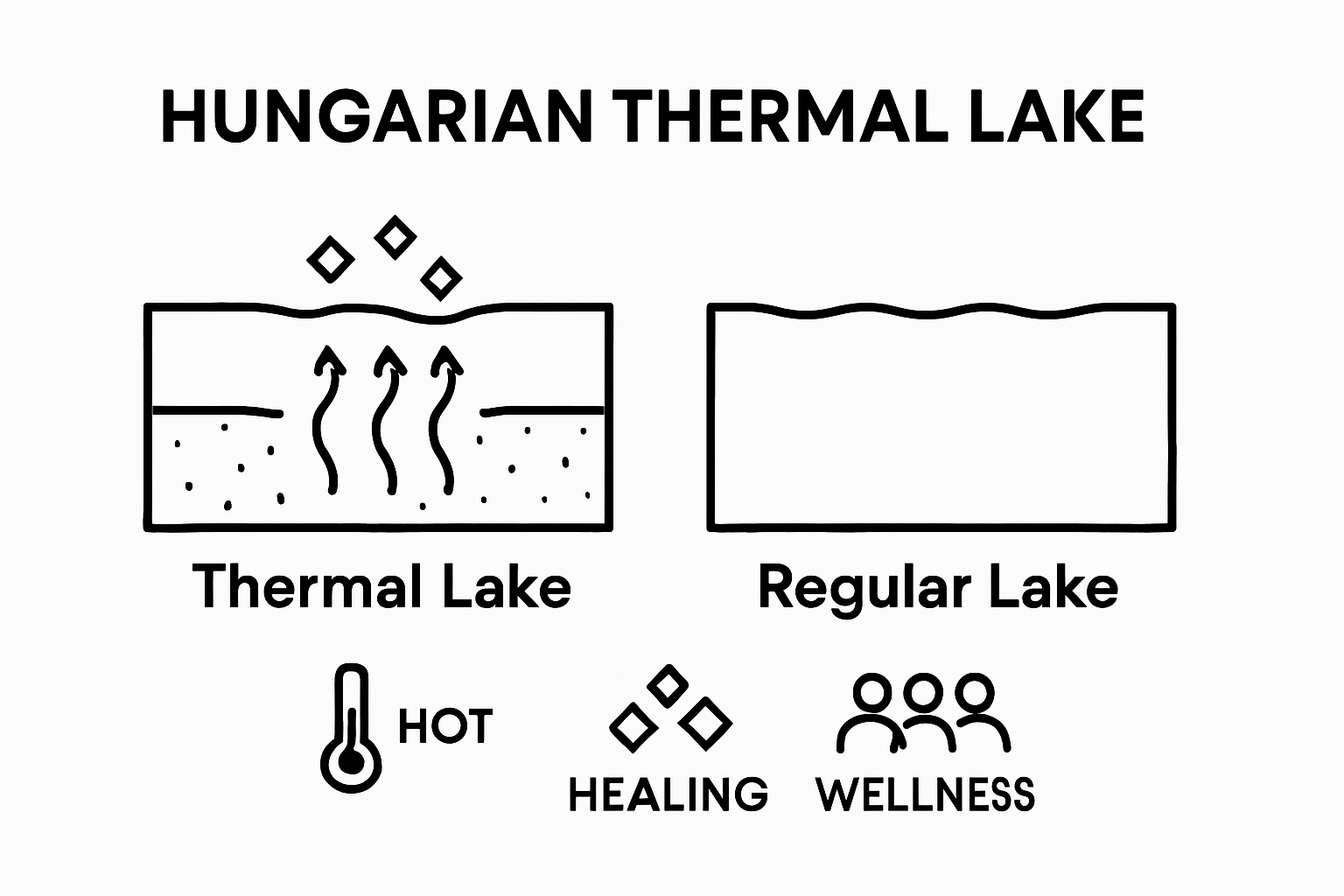
- Consistent water temperatures independent of seasonal changes
- High mineral content derived from underground geological layers
- Natural therapeutic properties due to unique chemical compositions
Mineral Composition and Healing Properties
What distinguishes Hungarian thermal lakes from standard surface lakes is their extraordinary mineral profile. The water contains a rich blend of dissolved minerals like sulfur, calcium, magnesium, and hydrogen carbonate, which contribute to their renowned therapeutic qualities. These minerals are absorbed through the skin during bathing, potentially offering relief for various muscular and joint conditions.
The most famous example, Lake Hévíz, exemplifies these remarkable characteristics. This lake is globally recognized as the largest biologically active natural thermal lake, demonstrating the exceptional geological conditions present in Hungary. Its water remains consistently warm and supports unique microorganisms that contribute to its healing environment.
Understanding Hungarian thermal lakes requires appreciating the intricate geological processes that transform simple groundwater into mineral-rich, healing thermal resources. These lakes are not just bodies of water but living testimonies to the dynamic geological forces shaping our natural world.
To clarify the distinctions between standard surface lakes and Hungarian thermal lakes, the table below outlines their defining features and characteristics as described in the article.
| Feature | Standard Surface Lakes | Hungarian Thermal Lakes |
|---|---|---|
| Water Temperature | Varies with seasons, often cool | Consistently warm (20–38°C) year-round |
| Origin | Rainfall, river inflow, precipitation | Geothermal processes, underground heat sources |
| Mineral Content | Generally low, varies by region | High in minerals (sulfur, calcium, magnesium) |
| Biological Activity | Common freshwater flora/fauna | Unique microorganisms adapted to thermal waters |
| Therapeutic Properties | Rare, less emphasis | Renowned for healing and wellness benefits |
| Cultural Significance | Recreational, local importance | Deep-rooted in Hungarian healing and traditions |
The Science Behind Thermal Springs: Geothermal Activity Explained
Geothermal activity represents a complex underground phenomenon that generates heat and energy from the Earth’s core, creating unique natural features like thermal springs and hot water reservoirs. This intricate process involves multiple geological mechanisms that transform subterranean heat into remarkable surface expressions.
Underground Heat Generation Mechanisms
The generation of thermal springs begins deep within the Earth’s crust, where temperatures increase dramatically with depth. Geothermal features emerge through a sophisticated interaction between underground magma, groundwater, and geological fractures.
Key processes involved in thermal spring formation include:
- Magmatic heat transfer through rock layers
- Groundwater percolation through underground fissures
- Pressure-driven water circulation systems
- Mineral dissolution during thermal water movement
Thermal Water Circulation and Mineral Enrichment
As groundwater travels through deep rock formations, it becomes heated and enriched with dissolved minerals. The water absorbs chemical compounds from surrounding geological structures, creating a unique mineral profile that defines each thermal spring. Temperatures can range from mildly warm to extremely hot, depending on the depth and geological characteristics of the underground pathway.
The journey of thermal water involves complex interactions between water molecules and rock layers. Pressure and temperature variations cause water to rise through natural conduits, emerging at the surface with distinctive chemical and thermal properties. These springs often contain trace minerals like sulfur, calcium, and magnesium, which contribute to their therapeutic and geological significance.
Understanding geothermal activity requires recognizing the Earth as a dynamic system where heat, pressure, and water interact in remarkable ways, transforming simple groundwater into extraordinary thermal resources.
Cultural and Historical Importance of Thermal Lakes in Hungary
Thermal lakes have been integral to Hungarian culture for centuries, serving far more than just geological curiosities. These natural water bodies represent profound cultural symbols, therapeutic resources, and historical landmarks that have shaped social interactions, healthcare practices, and community traditions across generations.
Healing Traditions and Medical Significance
In Hungary, thermal lakes have long been considered essential therapeutic environments. These natural healing spaces have been utilized for medicinal purposes since ancient times, with communities developing sophisticated wellness practices around their unique mineral-rich waters. According to historical research, thermal lakes were not merely recreational spaces but critical healthcare resources where people sought relief from various physical ailments.
Key cultural aspects of thermal lake usage include:
- Traditional healing practices passed through generations
- Community gathering spaces for social and medical interactions
- Integration of water therapy into holistic health approaches
- Preservation of ancient wellness knowledge
Spiritual and Social Connections
Thermal lakes transcended their physical properties to become significant spiritual and social centers in Hungarian communities. These water bodies were viewed as sacred spaces where physical healing intertwined with spiritual renewal. Local populations developed intricate rituals and cultural practices around these thermal environments, transforming them from simple geological features into meaningful cultural landmarks.
The social fabric of Hungarian communities was deeply woven around these thermal resources. Villages and towns would organize communal activities, festivals, and gatherings centered on thermal lakes, creating shared experiences that strengthened social bonds. These spaces became venues for social interaction, relaxation, and cultural expression, reflecting the profound connection between natural resources and human social structures.
Understanding thermal lakes in Hungary means recognizing them as living cultural monuments that represent centuries of human interaction with natural healing environments.
Health Benefits and Recreational Uses of Thermal Water
Thermal waters represent more than scenic natural attractions they are complex therapeutic environments offering profound health and wellness benefits. These mineral-rich waters provide comprehensive healing opportunities that extend far beyond simple recreational experiences, combining natural resources with potential medical interventions.
Therapeutic Physical Applications
Thermal waters offer remarkable physiological benefits through their unique mineral composition and temperature characteristics. Immersion in thermal waters can significantly impact multiple bodily systems, providing relief and rehabilitation for various medical conditions.
Key physiological benefits include:
- Reduction of chronic musculoskeletal pain
- Improved joint mobility and flexibility
- Enhanced blood circulation
- Natural anti-inflammatory responses
- Muscle tension and stress relief
Recreational and Wellness Experiences
Beyond medical applications, thermal waters serve as exceptional recreational environments that promote holistic wellness. These natural spaces offer visitors opportunities for relaxation, stress reduction, and mental rejuvenation. The combination of warm temperatures, mineral content, and serene environments creates a comprehensive wellness experience that addresses both physical and psychological well-being.
The immersive experience of thermal waters goes beyond simple swimming or bathing. Visitors engage in a multisensory interaction with these environments, experiencing temperature variations, mineral absorption, and atmospheric conditions that contribute to overall health. The buoyancy and warmth of thermal waters provide a unique form of physical therapy, allowing muscles to relax and joints to move more freely without additional strain.

Understanding thermal waters means recognizing them as dynamic wellness ecosystems that offer healing, recreation, and a profound connection between human physiology and natural resources.
Exploring Popular Thermal Lakes: Top Destinations in Hungary
Hungary boasts an extraordinary collection of thermal lakes that attract wellness enthusiasts, medical tourists, and nature lovers from around the globe. These remarkable water bodies represent more than scenic attractions they are complex natural healing environments with unique geological and therapeutic characteristics.
Lake Hévíz: The Global Thermal Lake Landmark
Lake Hévíz stands as the crown jewel of Hungarian thermal lakes, recognized globally for its exceptional properties. This extraordinary lake is the largest biologically active natural thermal lake in Europe, offering unprecedented wellness experiences.
Key features of Lake Hévíz include:
- Constant water temperature between 24 to 38 degrees Celsius
- Rich mineral composition supporting unique aquatic ecosystems
- Year-round therapeutic accessibility
- Natural floating vegetation supporting healing environments
Diverse Thermal Lake Destinations
Beyond Lake Hévíz, Hungary offers numerous thermal lake destinations that provide diverse experiences. These lakes vary in size, mineral content, and therapeutic potential, presenting visitors with multiple options for wellness and recreation. Each thermal lake represents a unique microenvironment, shaped by local geological conditions and underground water sources.
Regional thermal lakes such as those in Zalakaros, Harkány, and Sárvár complement the national thermal water network. These destinations offer specialized facilities ranging from medical rehabilitation centers to luxury wellness resorts, demonstrating Hungary’s sophisticated approach to utilizing natural thermal resources.
To help readers quickly compare the unique thermal lakes and their features in Hungary, here is a summary table highlighting major destinations and their key characteristics mentioned in the article.
| Thermal Lake | Claim to Fame | Water Temperature (°C) | Notable Features |
|---|---|---|---|
| Lake Hévíz | Largest biologically active natural thermal lake | 24–38 | Year-round access, unique microorganisms |
| Zalakaros | Popular regional destination | Varies | Rehabilitation centers, wellness resorts |
| Harkány | Known for therapeutic mineral-rich water | Varies | Medical and wellness facilities |
| Sárvár | Noted for specialized wellness infrastructure | Varies | Luxury spas, mineral diversity |
Exploring Hungarian thermal lakes means discovering a sophisticated network of natural healing environments that seamlessly blend geological wonder, medical science, and cultural tradition.
Ready to Experience the Wonders of Hungarian Thermal Lakes Firsthand?
Learning about the stunning geological origins and healing powers of Hungarian thermal lakes can inspire curiosity but often leaves travelers wondering how to access these extraordinary sites with confidence. Many visitors struggle to find trustworthy guidance that goes beyond the basics and delivers genuine insights into which lakes offer the most unforgettable wellness experiences, cultural immersion, and authentic local knowledge. If you have ever felt lost when planning your visit or want to make sure you never miss these unique aquatic wonders, it is time to take action.
Let It’s Hungary bridge the gap between curiosity and reality. We offer curated travel guidance that helps you uncover not just the scientific marvels but also the rich cultural traditions surrounding Hungary’s renowned thermal lakes. Discover how to plan your itinerary, which local events to attend, and how to maximize the health benefits highlighted in our in-depth articles. Do not let this knowledge stay on the page. Visit It’s Hungary now and start planning your journey through the thermal wonders of Hungary before your dream trip slips away.
Frequently Asked Questions
What is a Hungarian thermal lake?
Hungarian thermal lakes are unique geological formations characterized by consistently warm water temperatures, typically ranging from 20 to 38 degrees Celsius, created by geothermal processes beneath the Earth’s surface.
What are the healing properties of thermal lakes?
Thermal lakes contain a rich composition of minerals such as sulfur, calcium, and magnesium, which are believed to offer therapeutic benefits for various conditions, including musculoskeletal and joint issues.
How do thermal lakes form?
Thermal lakes emerge from underground heat sources interacting with groundwater systems, where heated water rises through geological formations, enriching it with minerals along its path.
What are the benefits of soaking in thermal waters?
Soaking in thermal waters can provide multiple health benefits, including pain relief, improved joint mobility, enhanced blood circulation, and overall relaxation due to the warm, mineral-rich environment.


