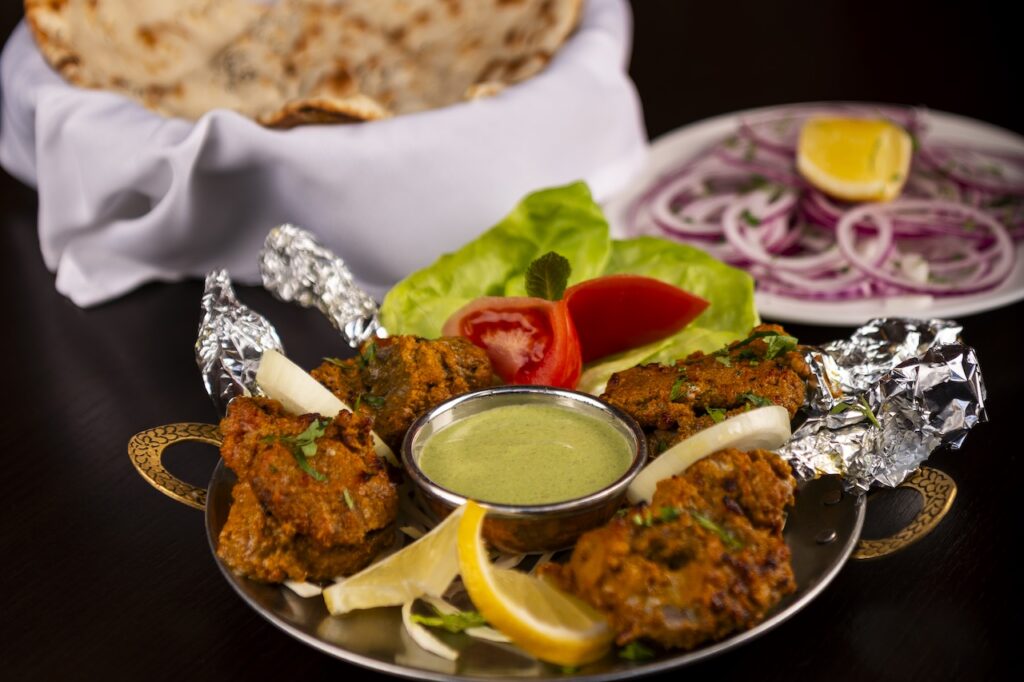
Budapest is a city that encourages appetite. A morning can begin with coffee beneath a chandelier, continue with a walk along the Danube, and end over a steaming plate filled with spices from another continent. Travelers searching for an Indian restaurant in Budapest that locals and international visitors return to will find Taj Mahal on Szondi Street, within easy reach of Andrássy Avenue and Nyugati Railway Station.
The location makes it a convenient addition to a day of sightseeing, yet convenience is only the beginning. A holiday meal becomes memorable when it introduces you to flavors, methods and combinations that feel carefully prepared. Taj Mahal focuses on this kind of experience: Indian chefs, freshly handled spices, tandoor cooking and a menu broad enough to reward both cautious first-time guests and experienced lovers of Indian cuisine.
Budapest has plenty of international restaurants, and Indian food has earned a visible place in the city’s dining scene. Recent guides from Offbeat Budapest and Time Out have both included Taj Mahal in their selections of Indian restaurants in the capital. Offbeat particularly highlights its north Indian cooking, tandoori dishes and richly decorated dining room.
For a traveler, that outside recognition is useful. The deeper reason to visit lies in the details that arrive at the table: the aroma released when a curry lid is lifted, the blistered edge of a naan, the smoky surface of tandoori meat, and the cooling effect of yogurt beside a spiced dish.
Indian restaurant Budapest guide: why authenticity starts in the kitchen
Authenticity is an overused restaurant word. It can refer to décor, recipes, ingredients, cooking methods or the background of the chefs. At Taj Mahal, the strongest signs of authenticity begin in the kitchen. The restaurant says it has been serving Indian cuisine since 2002, with Indian chefs preparing traditional recipes using authentic spices, fresh ingredients, and house-made spice blends. Its current menu contains around a hundred specialties drawn from several areas of Indian cooking.
That breadth matters because Indian cuisine cannot be reduced to a single curry powder or one level of heat. A well-prepared meal may move between earthy cumin, fresh coriander, warming cardamom, nutty fenugreek, sharp ginger, sweetly browned onion and the deeper fragrance of garam masala. Each spice behaves differently depending on whether it is toasted whole, ground into a sauce or added near the end of cooking.
The Taj Mahal blog describes how spices enter a dish in stages. Whole cumin or mustard seeds may be added to hot fat, followed by onion, ginger, and garlic. Ground spices then build body and depth, while fresh coriander can add a final green freshness. This gradual construction explains why an Indian curry may feel warm, fragrant, citrusy, earthy and mildly sweet within the same mouthful.
It also explains why “spicy” and “hot” are different ideas. An aromatic dish can contain many spices without delivering an aggressive chili burn. Travelers who usually avoid hot food can still enjoy the fragrance of cardamom, cumin, coriander, turmeric or fenugreek. Guests seeking stronger heat can ask the staff for a livelier preparation. A good Indian restaurant should help diners find the right intensity rather than treating every guest alike.
The tandoor provides another clear sign of traditional technique. Taj Mahal uses a clay oven that can operate at roughly 400–480 degrees Celsius. Meat, fish, paneer, and bread cook over intense heat, developing roasted edges while retaining moisture inside. According to the restaurant, meats for its tandoori dishes rest overnight in yogurt-based marinades containing spices such as Kashmiri chili, turmeric, cumin, ginger, and garlic.
This process creates a flavor that is difficult to imitate in a standard oven. Yogurt helps soften the meat and carries spice aromas into the marinade. The high heat then rapidly cooks the exterior, leaving characteristic dark patches and a gently roasted surface. The same oven bakes naan against its hot wall, giving the bread its uneven bubbles, soft center and lightly charred spots.
Watching a basket of naan arrive is one of the quiet pleasures of eating at an authentic Indian restaurant in Budapest. The bread is useful, delicious and social. Tear off a piece, fold it slightly and use it to collect a sauce. The meal immediately feels less formal and more connected, particularly when several dishes are placed in the center of the table.
Taj Mahal’s identity leans strongly toward north Indian and Punjabi traditions, especially through its curries, tandoori grills, paneer dishes and breads. The menu still leaves room for other regional flavors. Its South Indian section includes dosa, the thin rice-based pancake commonly served with savory fillings. Current options include masala dosa with spiced potato filling, paneer dosa, and a lamb-filled keema dosa.
This range is useful for tourists traveling in mixed groups. One person may want a rich lamb curry, another a grilled fish dish, while somebody else prefers lentils, vegetables or paneer. Taj Mahal lists vegetarian, vegan, gluten-free, halal and Jain possibilities, along with milder dishes suitable for children. Dietary requirements should always be discussed directly with the staff when ordering, especially where allergies or cross-contact are a concern.
The room supports the experience without turning dinner into a theme-park performance. Indian paintings, textiles, decorative screens and traditionally inspired details bring color to the spacious interior. Independent descriptions have also noted the copper serving dishes and sari-style clothing worn by members of the service team.
After a full day among Budapest’s stone façades, trams and broad boulevards, entering a warm dining room filled with cardamom, grilled bread and toasted spice can create a welcome change of pace. That contrast fits naturally into a city break. Travel becomes richer when one evening leads beyond the expected checklist.
What to order when every dish sounds tempting
A long menu can be exciting and slightly overwhelming. The easiest way to approach this Indian restaurant is to build a shared meal with a variety of textures. Begin with something crisp, add one tandoori dish, choose two contrasting curries, order rice and fresh bread, then finish the table with a cooling yogurt drink.
For starters, onion bhaji and pakora provide a satisfying introduction to Indian frying. Their appeal lies in contrast: crisp edges, a tender center and spices that become fragrant in hot oil. Hara bhara kebab offers a vegetable-led alternative made with greens, peas or potato, depending on the recipe. Offbeat Budapest singled out these starters among its positive experiences at Taj Mahal.
Guests who want to explore the tandoor can consider a sampler designed for sharing. The restaurant’s tandoori selection includes chicken, lamb, seafood and paneer preparations. Its blog describes the Tandoori Sampler as a two-person introduction to several principal grill dishes, making it practical for travelers who may visit only once during their stay.
Chicken tikka is a familiar starting point. Boneless pieces are marinated, threaded onto skewers, and cooked over high heat. Malai tikka takes a gentler approach with a creamy, cashew-based marinade, while mint tikka offers a fresher, herbal profile. Achari preparations tend to feel sharper and livelier through pickling spices such as mustard and nigella seeds.
Tandoori chicken offers a different texture because the meat cooks on the bone. The exterior takes on roasted color while the interior remains juicy when handled well. Diners who enjoy lamb can explore seekh kebab, in which seasoned minced meat is shaped around a metal skewer. Ginger, garlic, coriander and garam masala give it a direct, savory character.
A table at an authentic Indian restaurant Budapest visitors can enjoy should contain at least one sauce-based dish. Butter chicken is the approachable classic. Taj Mahal prepares it with chicken breast in a tomato-and-butter sauce scented with fenugreek leaves. The restaurant says it uses its own spice blend and relies on tomato and Indian chili for color rather than artificial coloring.
The result is usually rounded, smooth and gently aromatic. Butter chicken suits diners who want flavor without pronounced heat. The tomato brings acidity and fruitiness, butter softens the edges, and fenugreek adds a faintly nutty, herbal note that makes the sauce immediately recognizable.
Chicken tikka masala sits close to butter chicken on many menus, yet the two offer different experiences. At Taj Mahal, the chicken for tikka masala is first marinated and grilled in the tandoor before being added to a tomato-and-onion sauce. This introduces a roasted flavor and a firmer spice profile. Butter chicken feels softer and silkier; tikka masala has a more energetic, grilled character.
Travelers ready for a stronger curry can explore lamb rogan josh, bhuna-style dishes or vindaloo. Asking the server about heat is sensible because restaurant interpretations vary. A dish described as medium in one country may feel mild or intense to someone from another. Good guidance can keep the meal adventurous and enjoyable.
Vegetarian dining is one of Indian cuisine’s great strengths. Dal makhani combines lentils and beans in a slow-cooked, creamy preparation. Dal tarka offers a lighter direction, usually with lentils finished with hot spices and aromatics. Both work beautifully with rice or bread and bring depth without relying on meat.
Paneer opens another part of the menu. This fresh Indian cheese keeps its shape in sauces and develops a pleasing surface when grilled. Paneer butter masala places it in a smooth tomato-based gravy. Palak paneer pairs the cheese with spiced spinach, while paneer tikka masala brings grilled pieces into a stronger onion-and-tomato sauce. The menu also includes karahi paneer with peppers and onions, as well as several stuffed or grilled vegetable dishes.
For a different vegetarian texture, brinjal bharta is worth considering. Aubergine is grilled before being worked into a spiced preparation, producing a soft texture and roasted flavor. Aloo gobi combines cauliflower and potatoes with spices, while vegetable biryani makes fragrant rice the centerpiece of the meal rather than a side dish.
Biryani deserves attention from anyone who associates Indian food mainly with curry. Basmati rice is cooked with spices and either meat or vegetables, allowing the fragrance to permeate the entire dish. Taj Mahal currently serves chicken, lamb and vegetable versions, along with pulao rice and plain basmati for guests who want a quieter companion to rich sauces.
Bread selection can become its own tasting experience. The menu lists plain naan, butter naan, garlic naan, whole-wheat roti, layered laccha paratha and several stuffed breads. Peshawari naan contains a sweet nut-based filling, while keema naan uses spiced minced lamb. Paneer naan, onion kulcha, and potato-filled aloo kulcha add savory options to the table.
For two people, one rice and one or two breads usually create enough variety alongside shared mains, depending on appetite. Garlic naan suits tomato-based sauces, plain naan lets delicate curries remain in focus, and roti provides a whole-wheat alternative. Peshawari naan can act as a sweet counterpoint to a hotter curry.
Raita and lassi help regulate the rhythm of the meal. Raita combines yogurt with ingredients such as cucumber, garlic, vegetables or small chickpea-flour pearls. Lassi turns yogurt into a drink, with mango providing a popular fruit variation. Their cooling texture is especially welcome beside chili, pepper and richly spiced sauces.
The most enjoyable approach is to order contrasting dishes. Pair a creamy curry with something grilled, a mild paneer dish with a sharper lamb preparation, or a soft dal with crisp starters. Indian dining becomes particularly rewarding when the table moves between smoke, freshness, richness, heat and gentle sweetness.
Turn dinner at Taj Mahal into part of your Budapest holiday
Taj Mahal is located at 40 Szondi Street in Budapest’s sixth district. The restaurant describes itself as being within a comfortable walking distance of Andrássy Avenue and Nyugati Railway Station, placing it close to areas many tourists already explore.
That position allows the meal to fit easily into an itinerary. A late lunch can follow a morning around Andrássy Avenue, while dinner works well after an afternoon of museums, shopping or wandering through Pest. The restaurant lies slightly away from the busiest riverside tourist routes, which can make the evening feel like a discovery rather than another stop in a crowded sightseeing corridor.
At the time of writing, the published opening hours are Tuesday to Sunday from 12:00 to 23:00, with the restaurant closed on Mondays. Hours can change around holidays or special events, so checking the official site before traveling is sensible. Table reservations are particularly useful for evenings, weekends and larger groups.
The spacious dining room can suit several kinds of visit. Couples can choose it for an unhurried dinner, families can ask for mild dishes and a wider table, and groups can share enough plates to explore several parts of the menu. The restaurant also promotes itself for celebrations, business dinners and private events.
First-time visitors should feel comfortable asking questions. Indian dish names often describe an ingredient, region, cooking vessel, or method rather than giving a complete picture of the flavor. “Tikka” points toward boneless pieces, “tandoori” indicates clay-oven cooking, “saag” refers to leafy greens, and “dal” signals lentils or pulses. A few minutes of guidance can transform an unfamiliar menu into an enjoyable route through it.
Heat level deserves its own conversation. Tell the server whether you prefer mild warmth, a medium chili presence, or a genuinely hot dish. The request is especially important for children and travelers whose idea of “medium” comes from a different national dining culture. Fragrance should remain at the center of the experience, with chili supporting the food rather than overwhelming it.
Authenticity also benefits from curiosity. Try a dish you already know, then add one unfamiliar choice. Butter chicken can provide a reassuring reference point while a masala dosa, lamb seekh kebab, brinjal bharta or methi-flavored curry opens a new direction. This balance keeps the dinner accessible and gives the holiday a distinct culinary memory.
Budapest naturally encourages visitors to taste Hungarian classics. Goulash, paprikash, lángos, pastries and local wines deserve their place in the itinerary. An international meal adds another layer to the trip, reflecting that modern Budapest is also a living European capital, with communities, chefs, and culinary traditions arriving from far beyond Hungary.
Searching for Indian restaurants in Budapest during a holiday often begins with a practical need: a familiar cuisine, a vegetarian-friendly dinner or a craving for curry. Taj Mahal turns that practical search into a fuller experience through clay-oven cooking, Indian chefs, carefully composed spices and a menu that encourages sharing.
Choose a few contrasting dishes, leave room for fresh naan and ask for guidance when the menu becomes tempting in every direction. Then slow down. Let the aromas arrive before the first bite, pass the bowls around the table and allow dinner to become part of the day’s exploration.
For travelers seeking an authentic Indian restaurant in Budapest, Taj Mahal offers a convincing combination of tradition, variety and welcoming service. Reserve a table, arrive hungry and discover how naturally the flavors of India can fit into a Budapest city break.