
Hungarian traditions are overflowing with stories, flavors, music, and vibrant community festivals. But here is something that catches most people off guard. Hungary celebrates over 100 major cultural festivals and events every single year. Seeing one up close feels nothing like flipping through a guidebook. The real adventure starts when you join in and become part of the culture yourself.
Table of Contents
- Step 1: Research Key Hungarian Traditions And Customs
- Step 2: Plan Your Visit Around Local Festivals And Events
- Step 3: Engage With Local Communities And Artisans
- Step 4: Experience Traditional Hungarian Cuisine
- Step 5: Participate In Cultural Activities And Workshops
- Step 6: Reflect On Your Experience And Share With Others
Quick Summary
| Key Point | Explanation |
|---|---|
| 1. Research Hungarian traditions deeply | Gather information on customs, historical context, and regional variations for a comprehensive cultural understanding. |
| 2. Plan visits around festivals | Align trips with local festivals for immersive experiences of Hungarian culture and community. |
| 3. Engage with local artisans | Participate in workshops to learn traditional crafts and create meaningful connections with the local culture. |
| 4. Experience authentic Hungarian cuisine | Explore local dishes, markets, and cooking classes to appreciate the history and social aspects of Hungarian food. |
| 5. Reflect and share your journey | Document experiences and insights to deepen personal understanding and inspire others about Hungarian traditions. |
Step 1: Research Key Hungarian Traditions and Customs
Starting your cultural journey into Hungarian traditions requires a strategic and thoughtful approach to understanding this rich and complex heritage. Researching Hungarian customs is not just about collecting facts but about immersing yourself in the deeper narrative of a nation with centuries of vibrant cultural practices.
Begin by exploring comprehensive resources that offer authentic insights into Hungarian cultural life. Online academic databases, cultural websites, and scholarly publications provide reliable information about traditional practices. Focus on understanding the historical context behind these traditions, which often reveal profound connections to Hungary’s social and historical experiences.
Your research should encompass multiple dimensions of Hungarian culture. This includes exploring traditional holidays like Szent István Napja (Saint Stephen’s Day), examining family customs, investigating folk music and dance traditions, and understanding the significant role of traditional clothing and festivals. learn more about traditional Hungarian cultural practices can help you gain a nuanced perspective.
Specifically target resources that provide authentic perspectives from Hungarian cultural experts and anthropologists. Look for publications and documentaries that offer first-hand accounts and detailed explanations of customs passed through generations. Academic books, ethnographic studies, and interviews with cultural historians can provide depth beyond surface-level descriptions.
Remember that effective research involves cross-referencing information from multiple sources. Verify the credibility of your sources and seek out perspectives that offer comprehensive and balanced views of Hungarian traditions. Pay special attention to regional variations, as traditions can differ significantly between urban and rural areas, as well as across different historical periods.
To successfully complete this research step, you should have:
- A comprehensive overview of major Hungarian cultural traditions
- Understanding of historical contexts behind these practices
- Detailed notes on specific customs, holidays, and social practices
- Reliable sources that provide authentic insights
By the end of this research phase, you will have established a solid foundation for understanding the intricate tapestry of Hungarian cultural heritage, preparing yourself for a deeper exploration of these fascinating traditions.
Below is a checklist to help ensure you complete each step for exploring Hungarian traditions and culture effectively.
| Step | Completion Criteria | Verified? |
|---|---|---|
| Research Traditions | Compiled reliable notes on major customs, holidays, and regional practices | |
| Plan Around Festivals | Created a festival calendar; booked accommodations and tickets ahead | |
| Engage With Communities | Connected with at least 2-3 local artisans; learned a traditional craft | |
| Experience Cuisine | Sampled 5+ traditional dishes; attended a local market or cooking workshop | |
| Join Cultural Activities | Completed a workshop or dance session; documented the activity | |
| Reflect and Share | Wrote journal entries; shared experiences on a personal or public platform |
Step 2: Plan Your Visit Around local Festivals and Events
Planning your visit around Hungarian festivals and events transforms a simple trip into an extraordinary cultural immersion. These vibrant celebrations offer unparalleled insights into the heart of Hungarian traditions, allowing travelers to experience the nation’s rich cultural landscape in its most authentic form.
Timing is crucial when planning festival-focused travel. Hungary hosts numerous events throughout the year, each offering unique cultural experiences. Research the annual festival calendar, focusing on events that align with your interests. The Budapest Spring Festival, Sziget Festival, and Wine Festivals are excellent starting points for cultural exploration. discover Hungary’s most captivating cultural experiences can help you navigate the diverse event landscape.
Consider regional variations and local community celebrations. Small town festivals often provide more intimate and authentic experiences compared to large urban events. Look beyond major cities to discover traditional village festivals that showcase local customs, traditional music, dance, and culinary practices. Contact local tourism offices or regional cultural centers for precise event schedules and recommendations.
Practical preparation is key to maximizing your festival experience. Book accommodations well in advance, as popular events attract significant numbers of visitors. Research ticket purchasing options, considering both online and local sales channels. Some festivals offer multi-day passes or special tourist packages that provide comprehensive access to performances, exhibitions, and cultural activities.
Understand the cultural context of each festival. Traditional Hungarian festivals are not merely entertainment but profound expressions of national identity. From religious celebrations like Szent István Napja to harvest festivals and historical commemorations, each event tells a story about Hungarian heritage and community values.
To successfully plan your festival-focused visit, ensure you have:
- Comprehensive festival calendar with specific dates
- Booked accommodations near festival locations
- Understanding of event themes and cultural significances
- Necessary tickets or entry passes
- Flexible travel arrangements to accommodate festival schedules
By meticulously planning your journey around these cultural celebrations, you will transform your travel experience from a simple tourist trip into a deep, meaningful exploration of Hungarian traditions and community spirit.
Here is a comparison of several major Hungarian festivals and events, including their cultural focus and best times to visit for authentic experiences.
| Festival/Event | Main Focus | Best Time to Visit | Location | Unique Cultural Element |
|---|---|---|---|---|
| Budapest Spring Festival | Arts & Music | March-April | Budapest | International and folk performances |
| Sziget Festival | Contemporary Music | August | Budapest | Multinational music acts, community atmosphere |
| Szent István Napja | National Holiday | August 20 | Nationwide | Parades, folk traditions, fireworks |
| Wine Festivals | Wine & Gastronomy | September | Tokaj, Villány, Eger | Traditional harvest celebrations |
| Village Festivals | Local Customs | Varies | Rural Hungary | Folk music, dance, authentic cuisine |
Step 3: Engage with local Communities and Artisans
Engaging with local Hungarian communities and artisans represents the most authentic approach to understanding cultural traditions. This step transforms you from a casual observer into an active participant in Hungary’s living cultural heritage, providing profound insights that go far beyond typical tourist experiences.
Language preparation is crucial for meaningful community interactions. Learn basic Hungarian phrases that demonstrate respect and genuine interest. Simple greetings like “Szia” (hello) and “K5sz5n5m” (thank you) can open doors to deeper connections. Consider downloading language learning apps or carrying a pocket translation guide to facilitate communication. explore authentic village experiences to understand the cultural context of these interactions.
Seek out traditional craft workshops and artisan studios in rural villages and urban neighborhoods. Hungarian craftspeople like embroidery experts, pottery makers, and woodcarvers often welcome visitors interested in learning about their techniques. Many are willing to demonstrate their skills and share stories about generational techniques passed down through families. Look for workshops in regions like Tokaj, Hollók1, and Szentendre, which are renowned for preserving traditional crafts.
Attend local community events and participate respectfully. Village festivals, market days, and community gatherings provide exceptional opportunities to observe and engage with traditional practices. Approach these interactions with curiosity and humility, understanding that you are a guest experiencing a rich cultural landscape. Ask permission before taking photographs, and show genuine interest in the stories and experiences shared by local community members.
To successfully engage with Hungarian communities and artisans, you should aim to:
- Establish at least 2-3 meaningful conversations with local artisans
- Learn a traditional craft technique or skill
- Understand the cultural context behind specific traditions
- Demonstrate respect for local customs and practices
- Document your experiences through notes or photographs
By investing time and genuine effort in connecting with local communities, you will uncover layers of Hungarian culture that remain invisible to typical tourists. These personal interactions will provide memories and insights far more valuable than any guided tour or museum exhibit.
Step 4: Experience Traditional Hungarian Cuisine
Experiencing traditional Hungarian cuisine goes far beyond simply eating meals it is a profound cultural journey that connects you directly with the nation’s rich historical and social fabric. Hungarian food represents centuries of culinary innovation, regional diversity, and complex cultural interactions that tell stories through flavor, preparation techniques, and dining traditions.
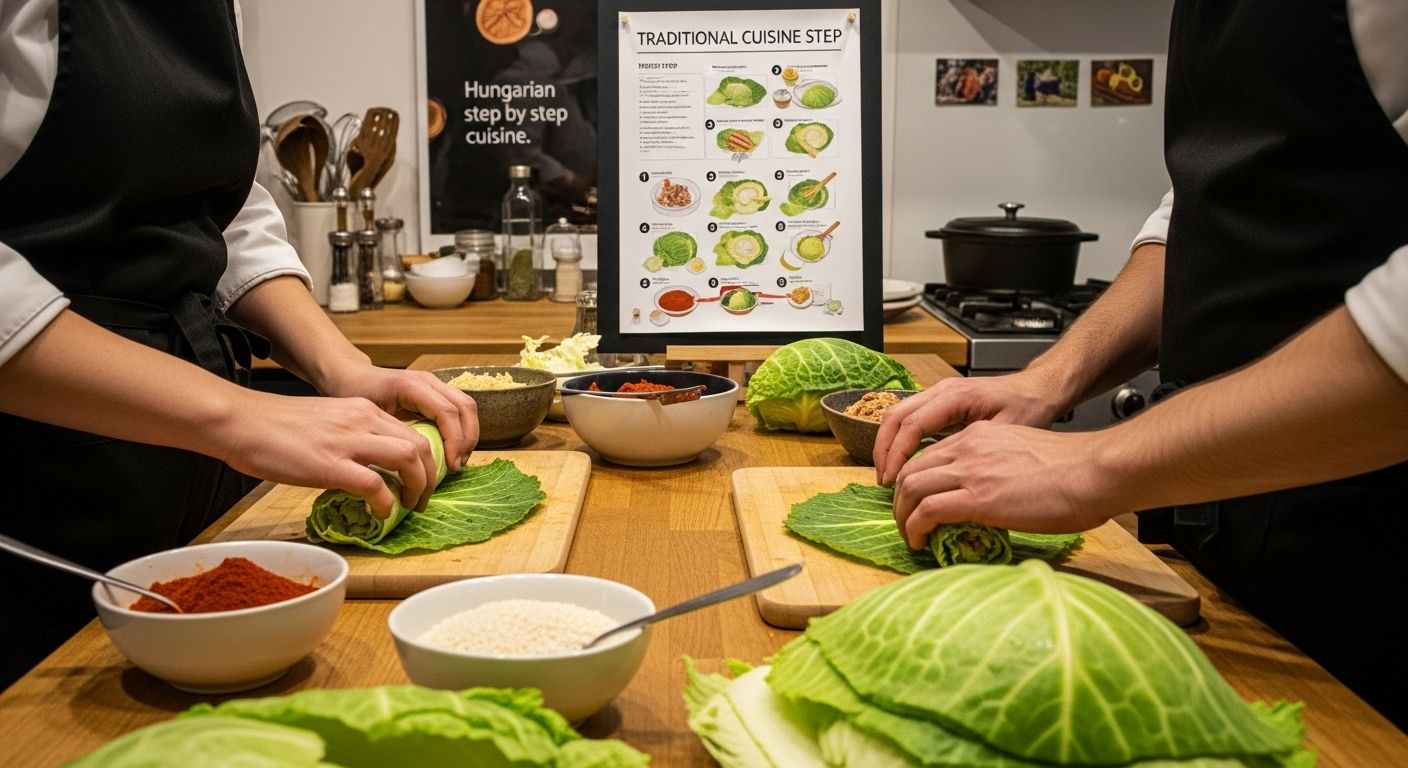
Paprika is the heart of Hungarian cooking, and understanding its role is crucial to appreciating the cuisine. Seek out authentic restaurants and family-run establishments that prepare dishes using traditional methods. discover the ultimate Hungarian food guide can help you navigate the intricate world of Hungarian gastronomy. Focus on iconic dishes like g1ly1s (beef stew), fisherman’s soup (halászlé), and töltött k1poszta (stuffed cabbage), which represent different regional culinary traditions.
Engage with local food culture by visiting traditional markets, participating in cooking classes, and dining in family-owned restaurants. Budapest’s Great Market Hall and smaller village markets offer exceptional opportunities to observe ingredient selection, interact with local vendors, and understand the importance of fresh, seasonal produce in Hungarian cooking. Many culinary schools and experienced home cooks offer workshops where you can learn traditional recipe preparation techniques passed down through generations.
Understand the social context of Hungarian dining. Meals are not merely about sustenance but about community, conversation, and shared experience. Hungarians take pride in lengthy, multi-course meals that encourage social interaction. Learn basic table manners and dining etiquette, such as saying “Egészségére” (cheers) before drinking and waiting for the host to begin eating.
To successfully experience traditional Hungarian cuisine, ensure you:
- Sample at least 5 different traditional dishes
- Visit a local market or food festival
- Participate in a traditional cooking workshop
- Understand the cultural stories behind key ingredients
- Engage with local chefs or home cooks about food traditions
By approaching Hungarian cuisine as a cultural exploration rather than simple consumption, you will uncover layers of historical and social complexity that transform eating from a mundane activity into a profound cultural experience.
Step 5: Participate in Cultural Activities and Workshops
Participating in cultural activities and workshops transforms you from a mere observer into an active learner of Hungarian traditions. This step represents the most immersive approach to understanding the nuanced layers of Hungarian cultural heritage, providing hands-on experiences that textbooks and guided tours cannot replicate.
Traditional dance workshops offer an extraordinary gateway into Hungarian culture. The Tnchz movement, a vibrant folk dance tradition, allows participants to learn authentic dance techniques directly from experienced instructors. explore immersive Hungarian cultural experiences can help you find the most engaging workshops. Look for dance houses in Budapest, Szeged, and other major cultural centers that welcome international participants and provide beginner-friendly sessions.
Beyond dance, seek workshops that cover diverse cultural practices. Embroidery classes, pottery making, folk music instruction, and traditional craft workshops provide deeper insights into Hungarian artistic traditions. Many cultural centers and community organizations offer short-term workshops designed specifically for travelers wanting to learn traditional skills. Contact local cultural institutions, museums, and community centers to find available programs during your visit.
Prepare for these workshops by approaching them with an open mind and genuine respect for the traditions you are learning. Bring a notebook, ask questions, and engage fully with instructors. Many workshops are more than just skill-learning sessions they are opportunities to connect with local practitioners and understand the historical and social contexts of these cultural practices.
To successfully participate in cultural activities and workshops, you should aim to:
- Complete at least one full workshop or class
- Learn a basic skill from a traditional Hungarian craft
- Interact meaningfully with local instructors
- Document your learning experience
- Understand the cultural context behind the skill or activity
By investing time and energy in these participatory experiences, you will gain insights into Hungarian culture that go far beyond surface-level tourism. These workshops provide a profound connection to Hungary’s living cultural heritage, transforming your travel experience into a meaningful cultural exchange.
Step 6: Reflect on Your Experience and Share with Others
Reflection transforms a tourist’s surface-level experience into a profound personal journey of cultural understanding. This final step is about processing the rich tapestry of Hungarian traditions you have encountered, integrating these experiences into your personal narrative, and sharing your insights to inspire others.
Journaling serves as an excellent reflection tool. Dedicate time each evening to document your experiences, recording not just events but your emotional responses, cultural insights, and personal transformations. Write about the subtle nuances you discovered in Hungarian traditions, the conversations that surprised you, and moments that challenged your preconceptions. explore deeper cultural connections can provide additional context for your reflections.
Choose meaningful platforms to share your experiences. Social media, personal travel blog, or community cultural forums offer opportunities to communicate your journey. Focus on storytelling that goes beyond typical tourist narratives. Share specific moments that reveal the depth of Hungarian cultural practices: a conversation with an artisan, a dance workshop revelation, or a family recipe’s historical background. Authentic storytelling creates bridges between cultures and encourages others to explore similar immersive experiences.
Consider creating a multimedia presentation or digital scrapbook that captures the essence of your Hungarian cultural journey. Combine photographs, short video clips, written reflections, and collected artifacts to create a comprehensive narrative. This approach not only helps you process your experiences but also creates a lasting memory and potential resource for future travelers interested in Hungarian traditions.
To successfully complete your cultural reflection and sharing, ensure you:
- Write detailed personal journal entries
- Create a shareable narrative of your experiences
- Reflect on personal growth and cultural insights
- Select meaningful platforms for sharing
- Maintain respectful and authentic representation of Hungarian culture
By thoughtfully reflecting and sharing your experiences, you become more than a traveler you become a cultural ambassador, helping others understand the rich, nuanced world of Hungarian traditions through your personal lens.
Immerse Yourself in Authentic Hungarian Traditions with Expert Guidance
Tired of feeling overwhelmed as you plan a true cultural journey through Hungary? Navigating local festivals, joining artisan workshops, and making sense of traditional cuisine can be daunting when you want to move beyond ordinary sightseeing. The step-by-step advice in our article highlights the joy and depth of experiencing real Hungarian life, yet turning this inspiration into practical plans and meaningful connections often requires reliable guidance, local insights, and up-to-date recommendations.
Take your exploration further with Hungary Archives – It’s Hungary, your gateway to detailed festival guides, craft experiences, and hands-on cultural adventures. Dive into curated gastronomy features from Gastronomy Archives – It’s Hungary to unlock deeper stories behind every meal. Begin your journey now at It’s Hungary and gain instant access to expert resources that transform your ideas into seamless, memorable experiences. Discover why now is the perfect moment to create lasting memories rooted in Hungary’s unique traditions.
Frequently Asked Questions
What are some important Hungarian traditions to learn about?
Hungarian traditions include various customs around traditional holidays such as Szent István Napja (Saint Stephen’s Day), folk music and dance, regional festivals, and culinary practices tied to local ingredients.
How can I plan my visit to Hungary to experience its cultural festivals?
To experience Hungarian culture fully, research the annual festival calendar, focusing on events that interest you like the Budapest Spring Festival or local community celebrations, ensuring you book accommodations in advance.
Why is engaging with local communities important when exploring Hungarian culture?
Engaging with local communities allows you to gain authentic perspectives on Hungarian traditions and participate in genuine cultural experiences, fostering deeper connections and understanding of local heritage.
What types of traditional crafts can I learn about in Hungary?
In Hungary, you can learn about various traditional crafts such as embroidery, pottery, woodcarving, and folk music. Participating in workshops led by local artisans can provide hands-on experiences with these cultural practices.


