
Traveling through Hungary is easier than many expect thanks to its modern network of metros, trams, buses, and trains. In Budapest alone, public transit covers over 180 million trips every year, making it one of Europe’s busiest and most efficient city systems. Yet most visitors never realize just how much time and money they could save by mastering a few local tricks before hopping on board. Get ready to outsmart the crowds and travel like a Hungarian from your very first ride.
Table of Contents
- Step 1: Research Transportation Options Available
- Step 2: Choose Your Mode of Transport
- Step 3: Purchase Tickets in Advance
- Step 4: Navigate Public Transport Systems Effectively
- Step 5: Utilize Mobile Apps for Real-Time Information
- Step 6: Verify Your Travel Itinerary Before Departure
Quick Summary
| Key Point | Explanation |
|---|---|
| 1. Research Transportation Options Beforehand | Understand Hungary’s public transport network, including Budapest’s metros, trams, and intercity trains for efficient travel planning. |
| 2. Select the Right Mode of Transport | Choose between public transit, rental cars, or taxis based on your itinerary, budget, and preference for comfort and flexibility. |
| 3. Purchase Tickets in Advance | Buying tickets early helps avoid stress, ensures smooth transitions, and can save money on travel costs during peak seasons. |
| 4. Utilize Mobile Apps for Navigation | Download transportation apps like BKK Futár and Google Maps for real-time updates, route planning, and offline accessibility. |
| 5. Verify Your Travel Itinerary | Double-check your travel documents, ticket details, and financial preparations to ensure a seamless travel experience in Hungary. |
Step 1: Research Transportation Options Available
Before embarking on your Hungarian adventure, understanding the transportation landscape is crucial for a smooth and enjoyable travel experience. Researching transportation options provides the foundation for navigating Hungary efficiently, saving you time, money, and potential frustration.
Begin by exploring Hungary’s comprehensive public transportation network, which offers multiple interconnected modes of travel. Budapest’s public transit system stands out as particularly robust, featuring an extensive network of metros, trams, buses, and trolleybuses that efficiently connect major city areas. For intercity travel, Hungary’s train system provides reliable connections between major cities and rural regions.
Key transportation research should focus on several critical aspects. First, determine whether you’ll primarily travel within Budapest or plan to explore multiple regions. Digital resources like official Hungarian transportation websites offer detailed route maps, schedules, and ticket purchasing options. Consider purchasing travel passes that provide unlimited rides across different transportation modes, which can significantly reduce individual travel costs.
For travelers planning extensive regional exploration, investigate intercity train and bus services. Hungary’s train network, operated by MÁV Hungarian State Railways, connects most major cities with comfortable and relatively affordable transportation. Regional buses, managed by Volánbusz, offer additional flexibility for reaching smaller towns and rural destinations.
Mobile applications can streamline your transportation research. Apps like Google Maps and Moovit provide real-time public transit information, including routes, schedules, and estimated travel times. Download these tools before your trip to have instant access to navigation assistance. Some apps even offer offline functionality, ensuring you can access transportation information without constant internet connectivity.
Lastly, assess your personal mobility needs and preferences. Consider factors like luggage transportation, travel speed, budget constraints, and comfort levels. Some travelers might prefer the convenience of rental cars for maximum flexibility, while others might find public transit more economical and stress-free. By conducting thorough transportation research, you’ll create a personalized travel strategy that maximizes your Hungarian exploration potential.
Step 2: Choose Your Mode of Transport
Selecting the right transportation mode in Hungary can dramatically impact your travel experience, comfort, and budget. Your choice depends on multiple factors including trip duration, destinations, personal preferences, and financial considerations. Understanding the strengths and limitations of each transportation option will help you make an informed decision.
Public transportation emerges as the most cost-effective and convenient option for most travelers. Budapest’s integrated transit system offers exceptional coverage, with metros, trams, and buses providing seamless connectivity. For intercity travel, Hungarian trains present an excellent alternative. According to the International Union of Railways, Hungary’s rail network connects major cities efficiently, offering comfortable and affordable travel experiences.
Rental vehicles provide maximum flexibility for travelers wanting to explore rural regions or smaller towns. However, this option requires additional considerations. Driving in Hungary demands familiarity with local traffic regulations, road signs, and potential parking challenges in urban areas. International driving permits and comprehensive insurance are recommended for foreign drivers. Consider rental costs, fuel expenses, and potential toll charges when evaluating this transportation mode.
Taxis and ride-sharing services offer convenient point-to-point transportation, particularly useful for late-night travel or trips with heavy luggage. In Budapest, official taxi services like Főtaxi provide reliable transportation. For budget-conscious travelers, ride-sharing apps offer more competitive pricing. Always confirm fare estimates and choose licensed, reputable transportation providers.
Bus travel represents another robust transportation option, especially for reaching smaller towns not serviced by train networks. Volánbusz, Hungary’s primary intercity bus service, connects numerous destinations with frequent and affordable routes. Regional buses often provide more flexible scheduling compared to trains, making them ideal for spontaneous travelers.
Ultimately, your transportation choice should balance convenience, cost, and your specific travel itinerary.
The following table compares the main transportation options in Hungary, summarizing their advantages, disadvantages, and best use cases for easier decision making.
| Transportation Mode | Advantages | Disadvantages | Best For |
|---|---|---|---|
| Public Transit (Metro/Tram/Bus) | Cost-effective, well-connected in Budapest | Can be crowded, requires ticket validation | City travel, budget travelers |
| Intercity Train | Comfortable, direct between cities, affordable | Limited service to some small towns | Travel between major cities |
| Intercity/Regional Bus | Flexible routes, reaches smaller towns | May be slower, less comfortable | Reaching rural areas or towns not served by train |
| Taxi/Ride-Sharing | Convenient, direct, available at all hours | Higher cost, risk of unlicensed providers | Short trips, late-night travel, heavy luggage |
| Rental Car | Maximum flexibility, access to remote areas | Driving/parking challenges, extra costs | Rural exploration, customized itineraries |
Step 3: Purchase Tickets in Advance
Purchasing transportation tickets in advance is a strategic move that can save you time, reduce stress, and potentially lower your travel expenses in Hungary. Preparing your tickets before embarking on your journey ensures smooth transitions between different transportation modes and helps you avoid last-minute complications.
Budapest’s public transportation system offers several convenient ticket purchasing options. Begin by identifying the most suitable ticket type for your travel needs. Single-ride tickets, daily passes, and multi-day travel cards provide different levels of flexibility. For travelers planning extensive city exploration, Budapest Card offers comprehensive transportation coverage and additional tourist benefits.
According to the International Association for Time Use Research, tickets can be purchased through multiple channels. Metro stations, newsagents, Tourinform offices, and ticket machines at various bus and tram stops provide easy access. Digital platforms have simplified ticket procurement, with mobile apps and online portals offering convenient purchasing options. Download official transportation apps like BKK Futár to streamline your ticket buying process and access real-time transit information.
When purchasing intercity train or bus tickets, consider booking through official websites like MÁV (Hungarian State Railways) or Volánbusz. Online platforms often provide discounted rates for advance purchases and allow you to select specific seats or routes. Pro tip: International travelers can benefit from booking tickets early, especially during peak tourist seasons when transportation can become crowded.
Validation is a critical step often overlooked by tourists. Immediately after purchasing your ticket, validate it using the designated machines in metros, trams, or buses. Failure to validate can result in significant fines.
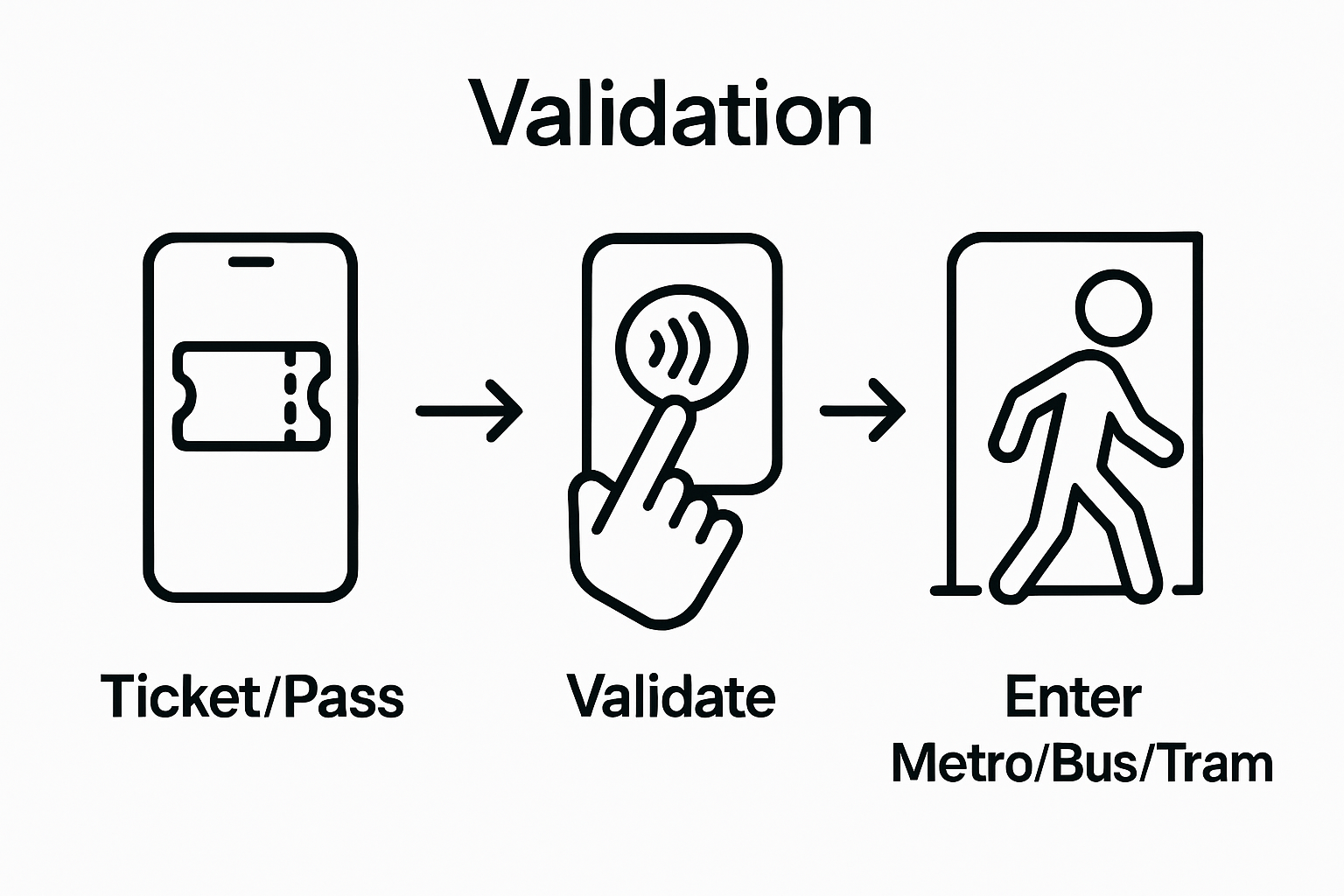 Many transportation passes come with specific validation instructions, so carefully read and follow the guidelines provided.
Consider purchasing flexible travel passes that offer unlimited rides within a specified timeframe. These passes can be more economical for travelers planning multiple daily trips. Some passes include additional perks like discounts on tourist attractions, making them an excellent value for comprehensive travel experiences.
By purchasing tickets in advance, you transform potential travel stress into a smooth, enjoyable journey. Your proactive approach ensures you can focus on experiencing Hungary’s rich culture and beautiful landscapes without worrying about transportation logistics.
Step 4: Navigate Public Transport Systems Effectively
Mastering Hungary’s public transport system requires strategic planning, digital tools, and a bit of local knowledge. Your ability to navigate efficiently can transform your travel experience, saving time and reducing potential confusion during your Hungarian adventure.
Budapest’s transportation network stands out as particularly complex yet comprehensive. The city’s integrated system includes metros, trams, buses, and trolleybuses that interconnect seamlessly. According to the International Association for Time Use Research, understanding route maps and transportation zones is crucial for smooth travel.
Digital navigation tools become your best companions when exploring Hungarian cities. Mobile applications like BKK Futár, Google Maps, and Moovit provide real-time transportation information, including precise route suggestions, estimated arrival times, and platform details. Download these apps before your trip and ensure your smartphone has offline maps and sufficient battery power. Consider purchasing a local SIM card to maintain consistent internet connectivity for live navigation updates.
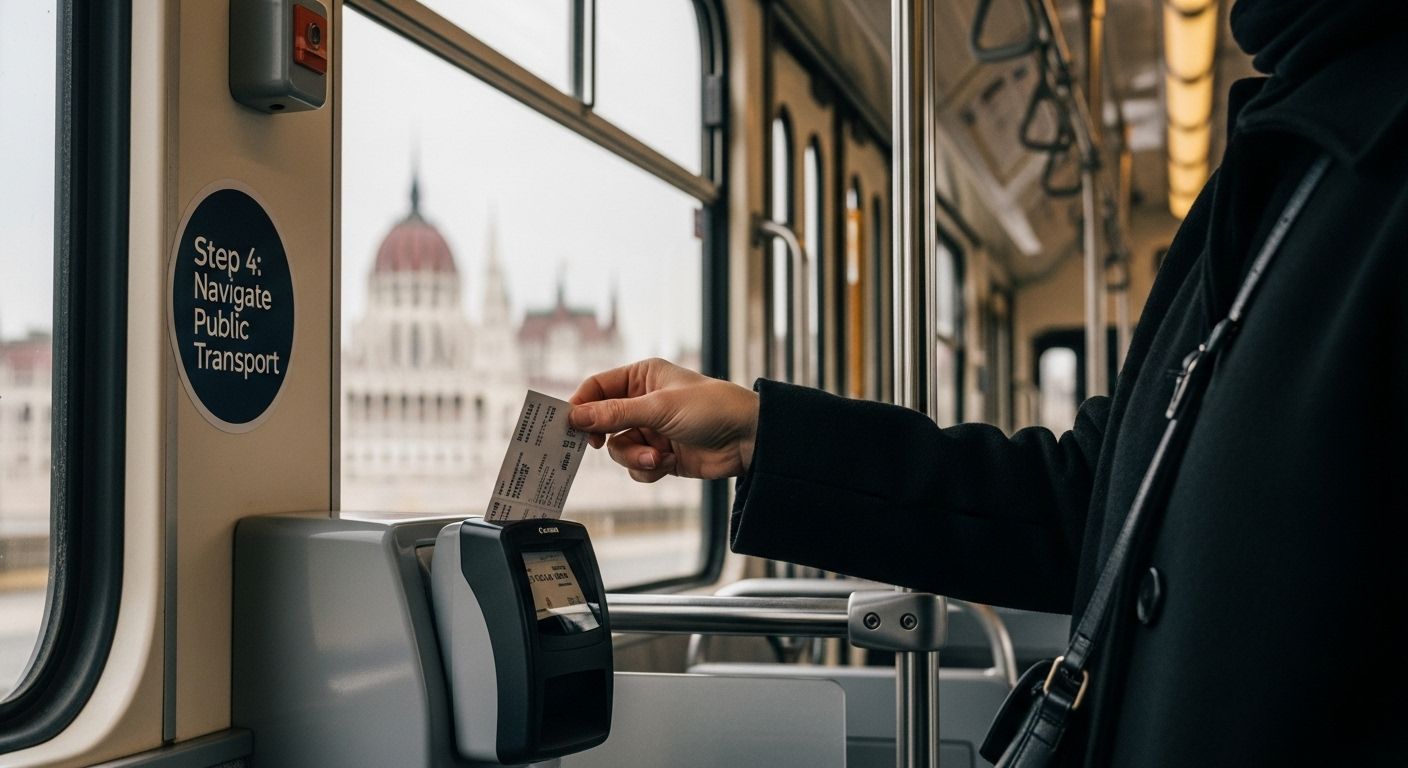
Understanding transportation zones and ticket validation procedures is essential. Metro stations typically have color-coded lines (blue, red, green) that help travelers quickly identify routes. Always validate your ticket immediately upon boarding, using designated machines inside buses, trams, or at metro station entrances. Failure to validate can result in substantial fines, so develop a habit of immediate validation.
For intercity travel, train and bus stations often have slightly different navigation requirements. Hungarian railway stations typically display departure and arrival information in both Hungarian and English. Pay close attention to platform numbers, train numbers, and departure times. Arrive at least 30 minutes early to navigate potential language barriers and locate your specific platform.
Communication can be challenging, so prepare some basic Hungarian transportation phrases. Learn simple words like “hol” (where), “jegy” (ticket), and “megálló” (stop) to help you communicate effectively. Many younger Hungarians speak English, but having a translation app can provide additional confidence when asking for directions or clarifying transportation details.
By approaching public transportation with preparation, digital tools, and a flexible mindset, you’ll transform potential navigation challenges into an exciting part of your Hungarian travel experience. Remember that getting slightly lost is part of the adventure, and Hungarian locals are generally helpful to travelers seeking guidance.
Step 5: Utilize Mobile Apps for Real-Time Information
In today’s digital age, mobile applications have revolutionized travel navigation, transforming how travelers explore and move through unfamiliar cities. For visitors to Hungary, leveraging the right mobile apps can mean the difference between a smooth, enjoyable journey and a potentially stressful transportation experience.
Budapest’s transportation ecosystem offers several exceptional mobile applications designed to simplify your travel. According to research published in transportation studies, real-time transit information apps provide travelers with unprecedented navigation capabilities. Start by downloading key applications before your trip: BKK Futár for Budapest public transit, Moovit for comprehensive route planning, and Google Maps for general navigation and backup routing.
Prepare your smartphone for optimal app performance by ensuring you have sufficient storage, a portable charger, and potentially a local SIM card for consistent internet connectivity. Pro tip: Download offline maps of Budapest and other major Hungarian cities as a backup strategy. These offline resources will prove invaluable if you encounter limited internet access or experience connectivity issues.
Each transportation app offers unique features to enhance your travel experience. BKK Futár provides real-time updates on bus, tram, and metro schedules, including precise arrival times and potential service disruptions. Moovit aggregates multiple transportation modes, offering comprehensive route suggestions that combine walking, public transit, and alternative transportation options. Google Maps remains an excellent all-purpose navigation tool with multilingual support and detailed street-level information.
Understand each app’s specific strengths and limitations. Some apps excel in urban navigation, while others provide better intercity transportation information. Integrate multiple apps into your travel toolkit to create a comprehensive navigation strategy. For instance, combine BKK Futár’s local transit information with Google Maps’ broader routing capabilities for maximum flexibility.
Consider downloading translation apps alongside navigation tools to overcome potential language barriers. Apps like Google Translate can help you communicate transportation-related questions or understand local signage. Many Hungarian transportation apps now offer English language interfaces, making navigation more accessible for international travelers.
By strategically utilizing mobile apps, you transform your smartphone into a powerful travel companion. These digital tools not only provide real-time information but also offer confidence and independence while exploring Hungary’s vibrant cities and scenic landscapes.
Embrace technology as your ultimate travel ally, turning potential navigation challenges into seamless, enjoyable experiences.
Step 6: Verify Your Travel Itinerary Before Departure
Careful preparation can transform a potentially stressful travel experience into a smooth, enjoyable journey through Hungary. Verifying your travel itinerary before departure represents the final critical checkpoint that ensures your transportation plans align perfectly with your travel expectations.
Passport and documentation form the foundation of your travel readiness. According to the International Air Transport Association, travelers must meticulously review their travel documents. Confirm your passport’s validity extends at least six months beyond your planned return date. Check that you have necessary visas, travel insurance documentation, and copies of critical personal identification stored both digitally and in physical format.
Review your transportation tickets and reservations with extreme attention to detail. Verify departure times, terminal information, and specific boarding requirements for both local Budapest transportation and intercity travel. Cross-reference your digital tickets with physical copies, ensuring all information matches exactly. Pay special attention to potential connection times between different transportation modes, allowing sufficient buffer periods to navigate unexpected delays.
Financial preparation is equally crucial. Inform your bank about your travel plans to prevent potential card restrictions. Ensure you have multiple payment methods, including cash, credit cards, and potentially a travel-specific currency card. Pro tip: Carry some Hungarian forints for small purchases and transportation tickets that might not accept international cards.
Technology can be your greatest ally in final itinerary verification. Sync all travel information across your devices, download offline maps, and screenshot critical reservation details. Explore our comprehensive guide on navigating Budapest for additional city-specific travel insights that complement your transportation planning.
Consider creating a digital and physical travel folder containing all critical documents.
This checklist table organizes key steps and items to verify before your departure, helping you ensure a smooth and stress-free journey through Hungary.
| Checklist Item | Details to Confirm | Verification Method |
|---|---|---|
| Passport Validity | At least 6 months beyond return date | Check expiration date |
| Visas/Travel Insurance | Required visas and printed/digital insurance | Cross-check travel requirements |
| Tickets/Reservations | Departure times, terminals, seat numbers | Compare physical and digital copies |
| Financial Prep | Notify bank, multiple payment methods | Inform bank, prepare forints/currency card |
| Tech Preparation | Download offline maps, device backups | Sync, screenshot, use cloud storage |
| Travel Folder | Copies of key documents in separate places | Compile folder, back up digitally |
| Emergency Info | Contacts, hotel reservations, key addresses | Store in physical and digital form |
By methodically verifying every aspect of your travel itinerary, you minimize potential complications and set the stage for a seamless Hungarian adventure. Remember that thorough preparation transforms travel challenges into exciting opportunities for exploration and discovery.
Take the Stress Out of Traveling in Hungary With Local Guidance
Struggling to figure out Budapest’s public transport or feeling lost planning your journey between Hungarian cities? You are not alone. Many travelers feel overwhelmed by unfamiliar systems, ticket types, language barriers, and unpredictable schedules. Navigating local routes and finding real, up-to-date advice can quickly turn an exciting trip into a source of stress.
Let It’s Hungary transform how you travel. Find expert advice on every part of your journey from detailed Hungary travel guides to Budapest’s latest transport tips. Discover insider knowledge about city passes, public transit navigation, and region-specific experiences. Everything you need to confidently explore Hungary is just a click away. Take control of your travel plans now and unlock new adventures by exploring It’s Hungary and our full collection of guides. Your stress-free exploration begins today.
Frequently Asked Questions
How do I navigate Budapest’s public transportation system?
Budapest’s public transportation system includes metros, trams, buses, and trolleybuses. You can use mobile apps like BKK Futár and Google Maps for real-time navigation and route planning.
What are the best transportation options for traveling between cities in Hungary?
For intercity travel, Hungary’s train network operated by MÁV Hungarian State Railways offers comfortable and reliable connections. Regional buses managed by Volánbusz are also a great option, especially for reaching smaller towns.
Should I purchase transportation tickets in advance for my trip to Hungary?
Yes, purchasing tickets in advance is recommended as it saves time and can reduce stress. Online platforms often offer discounts for early bookings, particularly for intercity travel.
What mobile apps are useful for navigating transportation in Hungary?
Useful apps for navigating transportation in Hungary include BKK Futár for Budapest public transit, Moovit for comprehensive route planning, and Google Maps for general navigation and directions.


