Hungarian paprika might seem like just another red spice on the shelf but it is actually the heart of an entire nation’s cooking. People expect it to simply add color and a bit of heat. In reality Hungarian paprika goes way beyond this and packs a punch with its high concentrations of carotenoids, capsaicinoids, and phenolic compounds that set it apart from any standard spice. The twist is every sprinkle carries centuries of tradition, intense craftsmanship, and flavors that can turn a regular meal into a story worth sharing.
Table of Contents
- Understanding Hungarian Paprika: A Key Ingredient
- Why Hungarian Paprika Is Unique and Valued
- Exploring the Different Types of Hungarian Paprika
- What Makes Hungarian Paprika Essential in Cooking?
- Cultural Significance and History of Hungarian Paprika
Quick Summary
| Takeaway | Explanation |
|---|---|
| Hungarian paprika is a cultural symbol. | More than just a spice, it represents Hungary’s agricultural history and culinary tradition. |
| Evaluate different paprika varieties. | Each type has unique flavor profiles and heat levels, enhancing diverse dishes. |
| Focus on traditional processing methods. | Hand-selection and traditional drying techniques preserve flavor and nutrients in paprika. |
| Understanding terroir is crucial. | Specific Hungarian regions offer ideal conditions, enhancing paprika’s unique characteristics. |
| Paprika enhances flavor complexity in dishes. | It serves as a fundamental ingredient, elevating and defining Hungarian cuisine through its unique taste. |
Understanding Hungarian Paprika: A Key Ingredient
Hungarian paprika represents far more than a simple spice. It is a culinary cornerstone that embodies the rich gastronomic heritage of Hungary, transforming ordinary dishes into extraordinary culinary experiences. This vibrant red powder is not just a seasoning but a cultural symbol deeply rooted in Hungarian agricultural traditions.
The Origins of Hungarian Paprika
The journey of Hungarian paprika begins in the late 16th century when Turkish merchants first introduced pepper seeds to the region. Over centuries, Hungarian farmers developed unique cultivation techniques that distinguished their paprika from other global varieties. Learn more about spices in Hungarian cooking and discover how paprika became a national treasure.
Key characteristics of Hungarian paprika include:
- Exceptional color variation from bright orange to deep red
- Nuanced flavor profiles ranging from sweet to intensely hot
- Carefully controlled growing and processing methods
Flavor and Complexity
Unlike generic paprika found worldwide, Hungarian paprika offers remarkable depth. According to research from the National Center for Biotechnology Information, Hungarian paprika contains a complex mix of bioactive compounds including carotenoids, vitamins, and phenolic elements that contribute to its unique taste and potential health benefits.
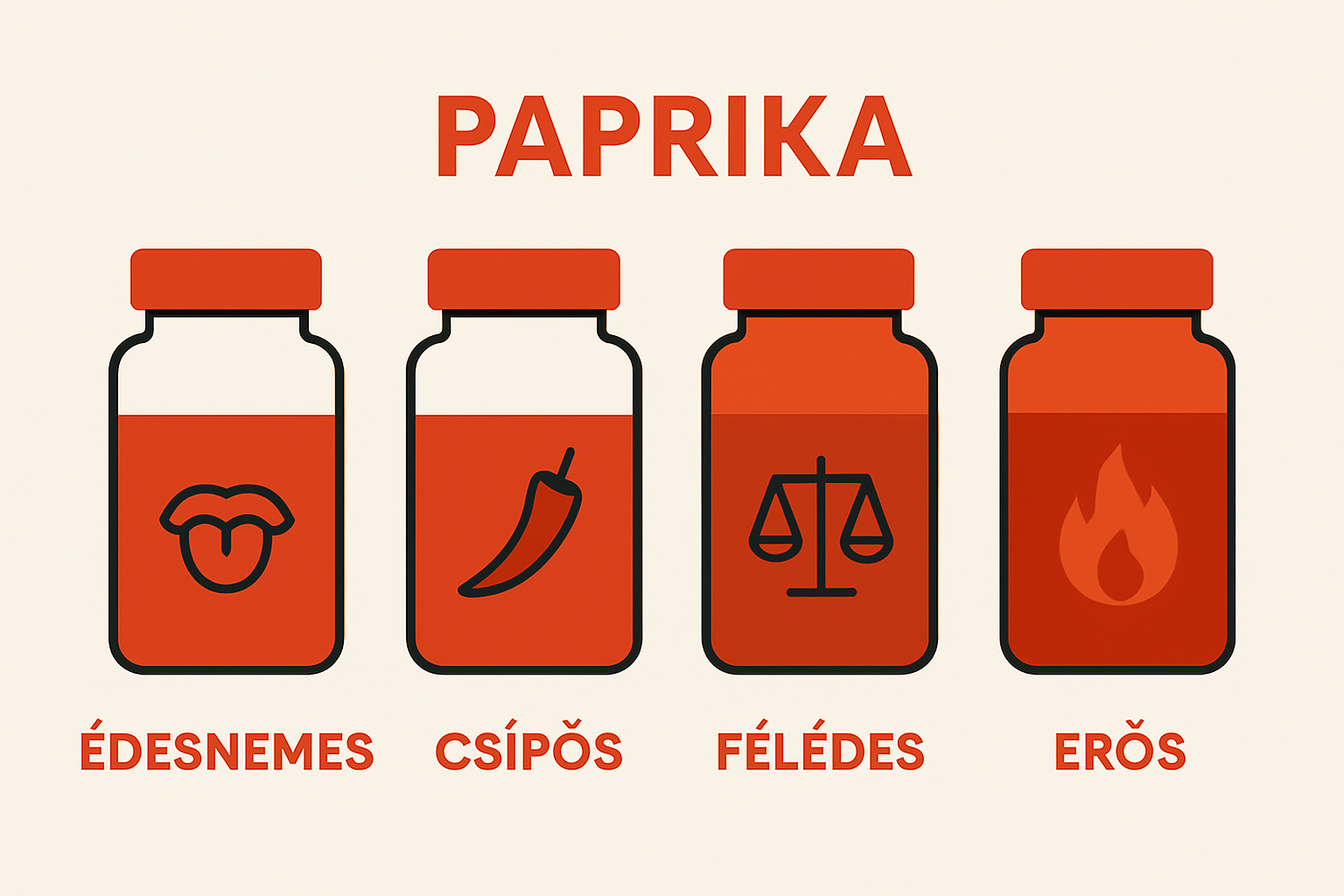
The spice is categorized into several heat levels and flavor intensities, each serving a distinct culinary purpose. From the mild Édesnemes (sweet) variety perfect for garnishing to the fiery Erős (hot) type that adds dramatic heat, Hungarian paprika provides chefs and home cooks with extraordinary versatility.
What truly sets Hungarian paprika apart is the meticulous process of selecting, drying, and grinding peppers. Farmers hand-select premium peppers, carefully dry them to preserve essential oils, and grind them using traditional methods that maintain the spice’s vibrant flavor and nutritional integrity. This dedication transforms paprika from a simple seasoning into a genuine culinary art form.
Why Hungarian Paprika Is Unique and Valued
Hungarian paprika transcends ordinary spices, representing a profound culinary treasure that combines agricultural expertise, historical tradition, and exceptional sensory qualities. Its uniqueness emerges from a complex interplay of environmental conditions, meticulous cultivation practices, and generations of specialized knowledge.
Geographic and Agricultural Significance
The specific terroir of Hungary creates ideal conditions for paprika cultivation. Regions like Kalocsa and Szeged possess unique microclimates with precise soil compositions and temperature ranges that contribute to paprika’s extraordinary characteristics. Explore more about Hungarian paprika varieties to understand the intricate details of its production.
Key factors distinguishing Hungarian paprika include:
- Precise sunlight exposure during pepper growth
- Mineral-rich soil conditions
- Controlled irrigation techniques
- Generational farming knowledge
Scientific and Nutritional Excellence
According to research published in the Journal of Agricultural and Food Chemistry, Hungarian paprika exhibits remarkable biochemical complexity. The spice contains high concentrations of bioactive compounds including carotenoids, capsaicinoids, and phenolic elements that contribute not just to flavor but potential health benefits.
The scientific profile of Hungarian paprika reveals extraordinary characteristics. Its deep red color signals high antioxidant levels, while its nuanced flavor profiles result from carefully preserved volatile compounds. Professional chefs and food scientists recognize Hungarian paprika as a benchmark for quality, appreciating its consistent color intensity, rich aromatic profile, and complex taste spectrum.
The following table organizes the scientific and agricultural factors that give Hungarian paprika its renowned quality, helping readers understand what sets it apart from generic paprika.
| Distinguishing Factor | Description |
|---|---|
| Soil Quality | Mineral-rich soils in regions like Kalocsa and Szeged support optimal growth |
| Climate Conditions | Specific temperature ranges and sunlight exposure enhance flavor and color |
| Traditional Processing | Hand-selection, sun-drying, and traditional grinding techniques preserve nutrients |
| Bioactive Compounds | High levels of carotenoids, capsaicinoids, and phenolic compounds increase nutritional value |
| Generational Expertise | Farming knowledge passed down through generations ensures quality and consistency |
| Controlled Irrigation | Precise watering methods optimize pepper development |
| Cultural Commitment | Dedication to maintaining heritage and authenticity throughout cultivation |
What truly elevates Hungarian paprika is the profound cultural commitment to maintaining traditional production methods. Farmers continue centuries-old techniques of hand-selecting pepper varieties, sun-drying harvests, and grinding using methods that preserve the spice’s intrinsic qualities. This dedication transforms paprika from a mere seasoning into a living representation of Hungarian agricultural heritage and culinary excellence.
Exploring the Different Types of Hungarian Paprika
Hungarian paprika is not a monolithic spice but a rich and diverse family of varieties, each offering unique flavor profiles, heat levels, and culinary applications. Understanding these nuanced types allows chefs and home cooks to elevate their dishes with precision and authenticity.
Flavor and Heat Classifications
Hungarian paprika varieties are meticulously classified based on their flavor intensity and heat levels. Learn more about paprika taste profiles to appreciate the subtle distinctions between these remarkable spice variations.
The primary classifications include:
- Édesnemes (Sweet Noble): Mild, bright red, most common export variety
- Csípős (Hot): Intense, fiery flavor with significant heat
- Félédes (Semi-Sweet): Balanced between sweet and spicy
- Erős (Strong): Extremely hot, used sparingly in cooking
Unique Regional Varieties
According to research published in Foods Journal, Hungarian paprika exhibits remarkable diversity influenced by specific regional growing conditions. The two most renowned paprika-producing regions are Kalocsa and Szeged, each producing distinctive spice varieties with unique characteristics.
The Szeged variety tends to be sweeter and milder, perfect for garnishing and adding color to dishes. In contrast, the Kalocsa paprika often presents a more robust flavor profile with slightly more pronounced heat. These regional differences emerge from variations in soil composition, microclimate, and generational farming techniques.
To help readers distinguish between the main types of Hungarian paprika, the table below summarizes their key flavor profiles, heat levels, and typical culinary uses.
| Variety | Flavor Profile | Heat Level | Typical Use |
|---|---|---|---|
| Édesnemes (Sweet Noble) | Mild, slightly sweet | Low | Garnishing, color, most common for exports |
| Csípős (Hot) | Intense, spicy, robust | High | Adds heat to sauces, stews, spicy dishes |
| Félédes (Semi-Sweet) | Balanced sweet & spicy | Medium | Versatile, used in recipes needing balance |
| Erős (Strong) | Very hot, pungent | Very High | For dramatic heat, used sparingly |
| Szeged Regional | Sweeter, milder | Low-Medium | Garnishing, color addition |
| Kalocsa Regional | Robust, slightly hotter | Medium-High | Hearty stews, traditional Hungarian meals |
| Smoked or Sun-dried | Smoky or deep, intense | Varies | Adds complexity and smokiness to dishes |
Beyond heat levels, Hungarian paprika also varies in processing methods. Some varieties are sun-dried, preserving more intense flavors, while others undergo smoking processes that introduce additional complexity. Professional chefs appreciate these nuanced variations, selecting specific paprika types to achieve precise flavor balances in traditional Hungarian recipes like goulash, paprikash, and töltött káposzta (stuffed cabbage).
What Makes Hungarian Paprika Essential in Cooking?
Hungarian paprika is far more than a simple seasoning. It serves as a transformative ingredient that elevates dishes from ordinary to extraordinary, embodying the soul of Hungarian culinary traditions and representing a profound connection between agriculture, culture, and gastronomy.
Flavor Transformation and Culinary Versatility
In Hungarian cuisine, paprika acts as a fundamental flavor foundation. Explore traditional Hungarian cooking techniques to understand how this spice becomes a culinary cornerstone. The spice does more than add heat or color it creates a complex flavor profile that defines entire dishes.
Key culinary applications include:
- Creating rich, deep flavor bases for stews and soups
- Providing vibrant color to traditional dishes
- Balancing and enhancing other ingredient profiles
- Adding depth without overwhelming other flavors
Scientific and Gastronomic Significance
According to Encyclopaedia Britannica’s culinary research, Hungarian paprika transcends mere seasoning by offering remarkable gastronomic complexity. Its unique molecular composition allows it to interact with other ingredients in ways that amplify and harmonize flavors.
Professional chefs appreciate Hungarian paprika for its ability to perform multiple culinary functions simultaneously. When heated, the spice releases essential oils that create aromatic layers, transforming simple ingredients into sophisticated dishes. In classic recipes like goulash and chicken paprikash, paprika is not just an ingredient but the definitive character of the entire preparation.
The true magic of Hungarian paprika lies in its ability to tell a story through flavor. Each sprinkle represents generations of agricultural expertise, carefully cultivated pepper varieties, and a deep understanding of how spices can communicate cultural identity through cuisine. It transforms cooking from a mere process of nutrition into an art form that connects people with centuries of culinary tradition.

Cultural Significance and History of Hungarian Paprika
Paprika represents more than a mere spice in Hungarian culture. It is a living historical narrative that encapsulates centuries of agricultural innovation, cultural exchange, and national identity, transforming from an imported curiosity to a cherished symbol of Hungarian culinary heritage.
Origins and Early Introduction
The story of Hungarian paprika begins in the late 16th century when Turkish merchants first introduced pepper seeds during the Ottoman occupation. Explore more about Hungarian spice traditions to understand this remarkable culinary journey. Initially viewed as an ornamental plant, peppers gradually transitioned from decorative curiosity to essential agricultural product.
Key historical milestones include:
- Introduction of pepper seeds by Turkish traders in the 16th century
- Initial cultivation as an ornamental plant
- Gradual integration into agricultural practices
- Emergence as a critical culinary ingredient by the 18th century
National Identity and Culinary Transformation
According to Encyclopaedia Britannica’s historical research, paprika became deeply intertwined with Hungarian national identity during the 18th century. As local farmers developed sophisticated cultivation techniques, the spice transformed from an imported ingredient to a quintessential element of Hungarian cuisine.
The democratization of paprika marked a significant cultural shift. Previously used by aristocratic kitchens, it became a staple ingredient accessible to all social classes. Hungarian farmers in regions like Kalocsa and Szeged developed unique cultivation methods that distinguished their paprika from other global varieties, creating a sense of regional and national pride.
Paprika’s journey reflects Hungary’s complex historical narrative of cultural resilience and agricultural innovation. From foreign import to national treasure, it symbolizes the country’s ability to embrace external influences while creating something uniquely Hungarian. Today, it stands not just as a spice but as a powerful cultural ambassador, carrying generations of culinary wisdom and national character in every vibrant, aromatic sprinkle.
Taste Hungarian Paprika In the Heart of Hungarian Gastronomy
Wondering how to move from simply reading about authentic Hungarian paprika to actually experiencing its true depth and flavor in person? One common challenge for curious travelers is bridging the gap between learning about essential ingredients like Hungarian paprika and fully exploring their cultural impact across Hungary’s vibrant culinary scene. Articles offer insights into what makes paprika unique and cherished, but sometimes readers long for more practical, memorable experiences that put this knowledge to use.
Bring your paprika passion to life by exploring Hungary’s culinary tradition firsthand. Head over to our Gastronomy Archives where you can find guides, stories, and recommendations that go far beyond the basics. Immerse yourself in real markets, authentic kitchens, and one-of-a-kind dining spots that showcase the flavors discussed in this article. For a complete travel experience with in-depth cultural guidance and handpicked local tips, dive into It’s Hungary and begin planning your ultimate food-inspired journey today.
Frequently Asked Questions
What is Hungarian paprika and how is it different from other types of paprika?
Hungarian paprika is a vibrant red spice made from ground peppers, distinguished by its rich flavor, color variation, and careful cultivation methods. Unlike other types of paprika, Hungarian paprika offers a range of flavor profiles from sweet to hot, with specific varieties that highlight the agricultural heritage of Hungary.
What are the various types of Hungarian paprika available?
Hungarian paprika is categorized into several types based on heat level and flavor intensity, including Édesnemes (sweet), Csípős (hot), Félédes (semi-sweet), and Erős (strong). Each type serves different culinary purposes, from mild garnishing to adding significant heat to dishes.
How can Hungarian paprika enhance my cooking?
Hungarian paprika is a transformative ingredient in cooking, providing rich flavor and vibrant color to dishes like goulash and chicken paprikash. It creates complex flavor profiles, balances other ingredients, and enhances overall dish quality without overwhelming the palate.
What are the health benefits of Hungarian paprika?
Hungarian paprika contains bioactive compounds such as carotenoids, vitamins, and phenolic elements, which may offer potential health benefits. Its high antioxidant content can contribute to overall health, making it a nutritious addition to a balanced diet.