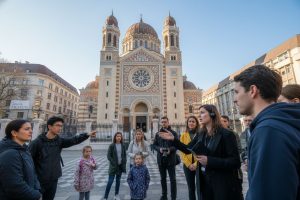
Art Nouveau turned heads when it swept across Europe, especially in Budapest, reshaping the way people thought about beauty and design. This was not just a style trend but a creative rebellion and a push against the cold efficiency of the Industrial Revolution. The real shocker is that Budapest is home to some of the most unique Art Nouveau buildings in all of Europe, with architects like Ödön Lechner blending local folk art into daring, modern masterpieces. What most people never expect is how these flowing, organic details were more than just decoration—they became symbols of national pride and everyday art woven right into the city’s heart.
Table of Contents
- What Is Art Nouveau And Its Origins?
- The Significance Of Art Nouveau In Budapest’s Architecture
- Key Characteristics Of Art Nouveau Designs
- Influence Of Art Nouveau On Budapest’s Cultural Landscape
- Preservation And The Future Of Art Nouveau In Budapest
Quick Summary
| Takeaway | Explanation |
|---|---|
| Art Nouveau integrates art into everyday life. | The movement emphasized that artistic design should enrich daily experiences and be part of all aspects of life. |
| Unique architectural style flourished in Budapest. | Budapest became a key city for Art Nouveau, showcasing its principles through intricate and organic building designs. |
| Preservation is essential for cultural legacy. | Efforts in Budapest focus on maintaining Art Nouveau architecture while adapting to modern urban needs, ensuring its ongoing relevance. |
| Art Nouveau represents national identity and creativity. | The movement allowed Hungarian artists to incorporate local motifs, transforming architecture into a way of expressing national cultural pride. |
| Challenging traditional aesthetics is a core principle. | Art Nouveau’s rejection of rigid design norms opened pathways for more fluid and organic artistic expressions across various fields. |
What is Art Nouveau and Its Origins?
Art Nouveau emerged as a revolutionary artistic movement during the late 19th and early 20th centuries, representing a radical departure from traditional design aesthetics. This transformative style sought to break free from historical architectural and decorative constraints, embracing organic, flowing lines and celebrating craftsmanship across various artistic disciplines.
The Philosophical Foundations
At its core, Art Nouveau represented more than just an aesthetic movement. It was a philosophical response to the industrial revolution’s mechanization, championing the idea that art could and should be integrated into everyday life. Practitioners believed that design should be holistic, blurring boundaries between fine arts and applied arts. According to the Tate Modern, this movement emphasized creating total works of art where architecture, interior design, graphic arts, and decorative elements were harmoniously interconnected.
Defining Characteristics
Art Nouveau distinguished itself through several distinctive design elements:
- Organic Motifs: Featuring natural forms like plants, flowers, and curved lines that mimicked botanical structures
- Asymmetrical Compositions: Rejecting rigid geometric patterns in favor of more dynamic, fluid arrangements
- Intricate Decorative Details: Emphasizing elaborate, hand-crafted embellishments that celebrated skilled artisanship
The movement drew inspiration from multiple sources, including Japanese woodblock prints, Celtic art, and the natural world. Architects and designers like Victor Horta in Belgium and Hector Guimard in France became pivotal figures in translating these principles into architectural and design language. Their work characterized Art Nouveau’s commitment to integrating beauty and functionality, transforming buildings and objects into artistic expressions that challenged contemporary aesthetic norms.
By reimagining design principles and celebrating individual creativity, Art Nouveau represented a profound cultural shift. It challenged viewers to see beauty in everyday objects and environments, marking a significant moment in the evolution of modern design philosophy.
The Significance of Art Nouveau in Budapest’s Architecture
Budapest stands as a remarkable architectural canvas where Art Nouveau flourished with unprecedented vibrancy, transforming the city into one of the most significant repositories of this distinctive artistic movement in Europe. The cityscape became a living testament to the creative explosion of the late 19th and early 20th centuries, with architects and designers reimagining urban spaces through intricate, organic designs.
Urban Transformation and Cultural Identity
During the Austro-Hungarian Empire’s final decades, Budapest experienced rapid modernization and cultural renaissance. Art Nouveau emerged as more than an architectural style it became a powerful expression of national identity and artistic innovation. Architects like Ödön Lechner, often called the “Hungarian Gaudi”, pioneered a unique national interpretation of Art Nouveau, incorporating traditional Hungarian folk motifs with the movement’s characteristic fluid lines and ornamental complexity.
Architectural Masterpieces
Budapest’s Art Nouveau buildings represent extraordinary examples of architectural creativity.
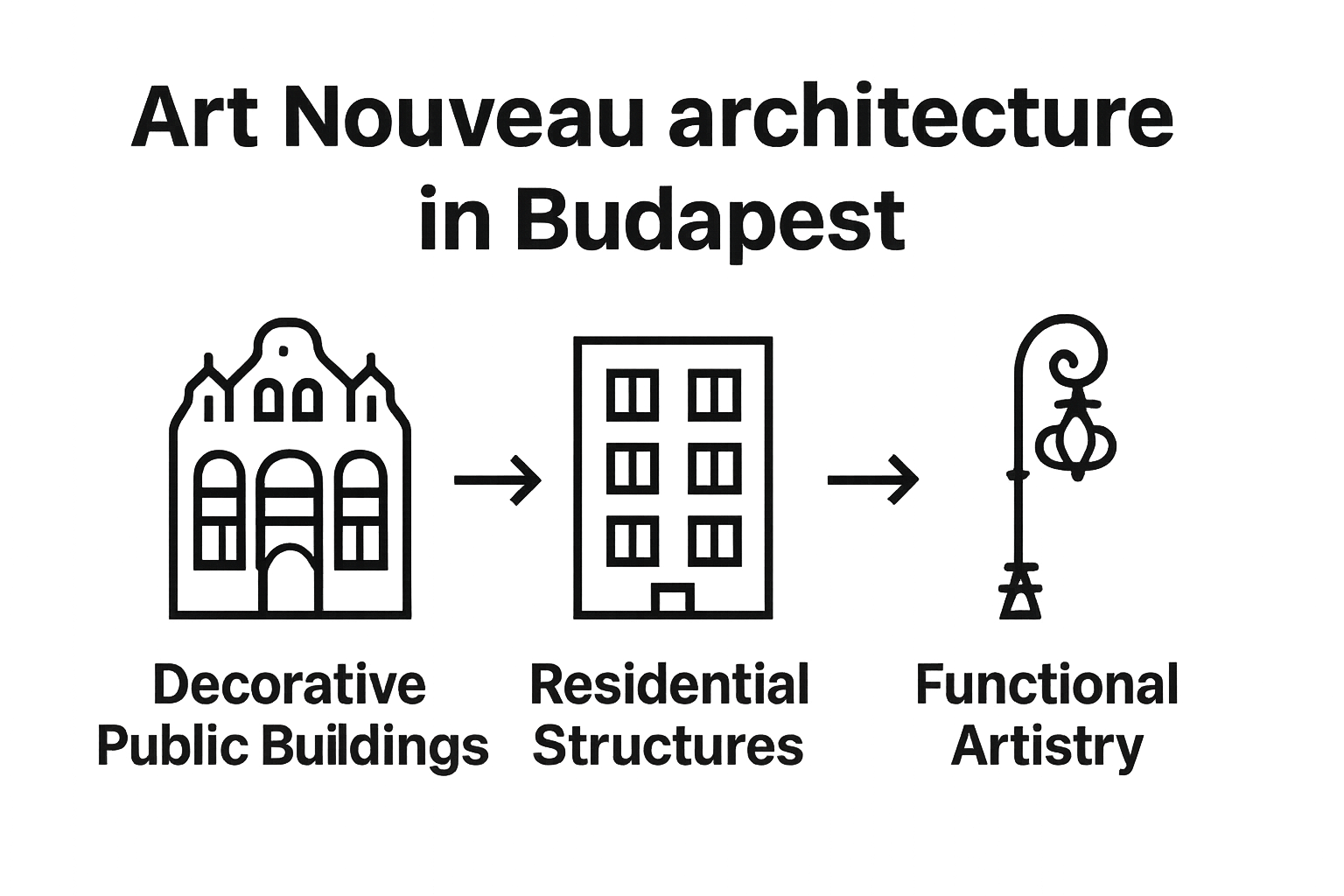 Key landmarks exemplify the movement’s principles:
- Decorative Public Buildings: Featuring elaborate ceramic tile work, intricate ironwork, and sinuous architectural elements
- Residential Structures: Showcasing individualistic designs that broke from traditional architectural conventions
- Functional Artistry: Demonstrating how design could integrate beauty with practical urban infrastructure
The movement’s significance extended beyond mere aesthetics. According to architectural historians, these buildings represented a profound social and cultural statement, challenging existing design paradigms and reflecting Budapest’s emergence as a progressive, cosmopolitan city. Structures like the Postal Savings Bank and the Museum of Applied Arts became iconic representations of this architectural philosophy.
By embracing Art Nouveau, Budapest not only participated in a global artistic movement but also crafted a distinctive architectural language that continues to define its urban character. These buildings remain powerful symbols of creativity, national pride, and architectural innovation, inviting visitors to explore the Hungarian Parliament and witness the enduring legacy of this remarkable design era.
Key Characteristics of Art Nouveau Designs
Art Nouveau represented a radical departure from previous design philosophies, introducing a distinctive visual language that emphasized organic forms, intricate details, and an unprecedented integration of artistic expression across multiple disciplines. This artistic movement sought to transform the relationship between design, functionality, and aesthetic experience.
Structural and Visual Elements
Curvilinear Forms defined the movement’s visual identity. Unlike geometric and angular designs prevalent in previous eras, Art Nouveau championed sinuous, flowing lines that mimicked natural phenomena. According to the Tate Modern, these designs deliberately rejected straight lines and rigid structures, instead embracing dynamic, organic compositions that seemed to pulse with life and movement.
Decorative and Ornamental Principles
Art Nouveau’s decorative approach distinguished itself through several key characteristics:
- Nature-Inspired Motifs: Incorporating stylized representations of plants, flowers, insects, and female figures
- Intricate Ornamentation: Emphasizing elaborate, hand-crafted details that celebrated skilled artisanship
- Symbolic Representations: Using decorative elements to convey deeper cultural and emotional meanings
The design philosophy extended beyond visual aesthetics, encompassing a holistic approach to artistic creation. Practitioners sought to blur boundaries between fine and applied arts, treating everyday objects as potential canvases for artistic expression. From architectural facades to furniture, silverware to graphic design, every element became an opportunity for creative interpretation.
By challenging traditional design boundaries, Art Nouveau designers transformed how society perceived beauty and functionality. Their work demonstrated that art was not confined to museums or galleries but could be an integral part of daily life, elevating mundane objects into extraordinary aesthetic experiences.
To clarify the main structural and decorative features of Art Nouveau as described in the article, the following table outlines its key design characteristics and their significance.
| Feature/Characteristic | Description | Importance in Art Nouveau |
|---|---|---|
| Curvilinear Forms | Use of flowing, sinuous lines instead of geometric shapes | Creates a sense of movement and organic unity |
| Nature-Inspired Motifs | Incorporation of plants, flowers, insects, and other natural forms | Emphasizes harmony with nature |
| Asymmetrical Compositions | Dynamic, non-uniform layouts that reject strict symmetry | Adds visual interest and complexity |
| Intricate Ornamentation | Elaborate, hand-crafted decorative details | Highlights craftsmanship and artistic skill |
| Symbolic Representations | Use of motifs to convey deeper cultural or emotional meanings | Supports cultural storytelling |
| Integration of Fine/Applied Arts | Blending of art, architecture, and functional design | Makes art part of daily life |
Influence of Art Nouveau on Budapest’s Cultural Landscape
Art Nouveau transcended architectural design in Budapest, becoming a profound cultural phenomenon that reshaped societal perspectives on art, creativity, and national identity. This artistic movement represented more than aesthetic innovation it became a powerful vehicle for expressing Hungarian cultural autonomy and artistic sophistication during a transformative period in the city’s history.
Social and Artistic Transformation
The influence of Art Nouveau extended far beyond physical structures. Cultural institutions, from museums to theaters, adopted the movement’s principles, creating immersive environments that challenged traditional artistic boundaries. According to architectural historians, these spaces became platforms for intellectual and artistic exchange, reflecting Budapest’s emerging cosmopolitan character.
Cultural Expression and National Pride
Art Nouveau in Budapest represented a unique form of cultural storytelling. Key aspects of its cultural impact included:
- National Identity Representation: Incorporating traditional Hungarian folk motifs into modern design
- Artistic Democratization: Making sophisticated design accessible across social classes
- Creative Empowerment: Encouraging individual artistic expression and innovation
The movement profoundly influenced creative disciplines beyond architecture. Graphic design, decorative arts, fashion, and even social practices were reimagined through Art Nouveau’s distinctive lens. Artists and designers viewed the city as a living canvas, transforming Budapest into a vibrant, dynamic cultural ecosystem.
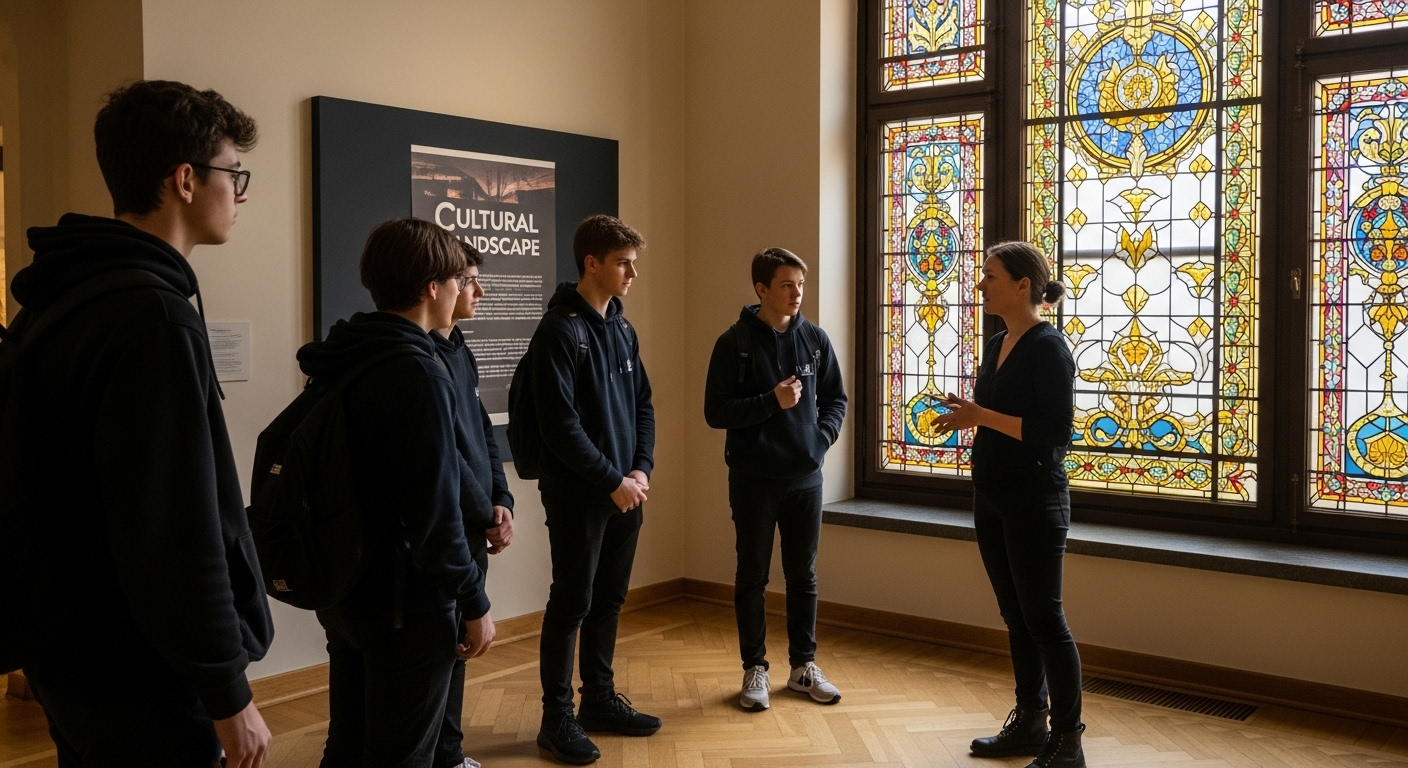
By embracing Art Nouveau, Budapest positioned itself as a progressive, culturally sophisticated European capital. These artistic innovations not only reflected the city’s spirit but also invited exploration of its hidden cultural gems, creating a lasting legacy that continues to inspire and captivate visitors from around the world.
Preservation and the Future of Art Nouveau in Budapest
Preserving Art Nouveau’s architectural and cultural legacy has become a critical mission for Budapest, recognizing these remarkable structures as more than historical artifacts but as living representations of the city’s artistic heritage. The ongoing conservation efforts represent a delicate balance between maintaining historical authenticity and adapting to contemporary urban needs.
Conservation Challenges and Strategies
Architectural preservation in Budapest requires sophisticated, multifaceted approaches. According to heritage conservation experts, protecting Art Nouveau buildings involves intricate restoration techniques that respect original design principles while ensuring structural integrity. Conservationists must navigate complex challenges including material degradation, urban development pressures, and the high costs associated with specialized restoration work.
Contemporary Perspectives and Cultural Significance
Modern preservation efforts extend beyond physical restoration, encompassing broader cultural recognition and educational initiatives:
- Documentation and Research: Comprehensive architectural surveys and historical documentation
- Public Awareness: Educational programs highlighting the cultural significance of Art Nouveau
- Legal Protection: Implementing strict heritage conservation regulations
Budapest’s commitment to Art Nouveau preservation reflects a deeper understanding of cultural identity. These architectural treasures are not merely static monuments but dynamic spaces that continue to inspire contemporary design and artistic expression. The city’s approach demonstrates how historical architectural styles can remain vibrant and relevant in modern urban contexts.
The future of Art Nouveau in Budapest looks promising, with increasing global recognition of its significance. Exploring Hungary’s UNESCO World Heritage Sites offers deeper insights into the country’s remarkable architectural heritage, with Art Nouveau playing a pivotal role in this rich cultural narrative. As new generations of architects, historians, and cultural preservationists continue to champion these extraordinary structures, Budapest ensures that its Art Nouveau legacy will endure, telling the story of a transformative artistic movement for years to come.
Ready to See Budapest’s Art Nouveau Legacy Come Alive?
If you found yourself fascinated by the intricate details and cultural impact of Art Nouveau in Budapest, you might be feeling inspired but unsure where to start your own journey. Exploring the city’s stunning architecture can feel overwhelming without the right guidance. You want to connect with Budapest’s creative spirit, trace the footsteps of visionary architects, and discover how these breathtaking buildings reflect Hungary’s national identity.
Unlock a curated pathway through the heart of Art Nouveau by browsing our Budapest Archives, where you will find tailored articles and local tips for self-guided tours. For a broader look at Hungary’s remarkable heritage, visit our Hungary Archives. Let It’s Hungary be your trusted companion as you plan an authentic and unforgettable experience. Start your journey now and immerse yourself in the fascinating world of Budapest’s architectural treasures.
Frequently Asked Questions
What is Art Nouveau?
Art Nouveau is an artistic movement that emerged in the late 19th and early 20th centuries, characterized by organic forms, flowing lines, and intricate decorative details, reflecting a holistic approach to design.
How did Art Nouveau influence architecture in Budapest?
Art Nouveau transformed Budapest’s architectural landscape by incorporating fluid, natural designs and traditional Hungarian motifs, making a powerful statement about national identity and cultural sophistication during a period of rapid modernization.
What are some key characteristics of Art Nouveau designs?
Key characteristics include curvilinear forms, nature-inspired motifs like plants and flowers, intricate ornamentation, and a rejection of strict geometric patterns in favor of more dynamic compositions.
Why is the preservation of Art Nouveau significant in Budapest?
Preserving Art Nouveau structures is crucial for maintaining Budapest’s artistic heritage, reflecting cultural identity, and ensuring that historic designs continue to inspire contemporary artistic expression.
Recommended
- A Local’s Guide To The Best Hidden Gems In Budapest – It’s Hungary
- Hungarian Parliament – Iconic Neo‑Gothic Landmark in Budapest – It’s Hungary
- Exploring Hungary – A Comprehensive Guide To The Country’s Rich History And Culture – It’s Hungary
- Where is Budapest in Hungary? Here’s what to know! – It’s Hungary