Budapest is not just another dot on a traveler’s map. Nearly 40 percent of the city’s area is made up of parks and green spaces yet it boasts a skyline packed with centuries-old castles and vibrant new art hubs. Most cities struggle to keep their historic treasures relevant while Budapest turns them into living parts of daily life and gives tradition a modern pulse that surprises every visitor.
Quick Summary
| Takeaway | Explanation |
|---|---|
| Budapest boasts diverse architectural styles | The city showcases a blend of Roman, Ottoman, Gothic, Baroque, and Art Nouveau influences reflecting its rich history. |
| Cultural heritage is actively preserved | Budapest integrates historical elements into daily life, with festivals, cafes, and thermal baths maintaining cultural vibrancy. |
| 2026 will see sustainable urban development | The city focuses on green transportation and smart technologies to enhance tourism and reduce environmental impact. |
| Modern technological advancements enhance experiences | Emerging technologies like augmented reality are reshaping visitor interactions with Budapest’s cultural and historical sites. |
| Extensive public transport simplifies navigation | An integrated transport system allows easy access to various city areas, making travel straightforward for visitors. |
Cultural Richness: What Makes Budapest Unique?
Budapest stands as a cultural phenomenon that transcends typical European city experiences. More than just a destination, it represents a living tapestry of historical narratives, architectural marvels, and artistic expressions that have been carefully woven through centuries of complex human interactions.
A Crossroads of Architectural Diversity
The city’s architectural landscape tells a profound story of cultural intersections. According to UNESCO, Budapest’s urban environment represents an extraordinary blend of architectural styles that reflect its rich historical journey. Visitors will encounter a remarkable fusion of architectural influences including:
- Roman imperial remnants
- Ottoman Turkish architectural elements
- Gothic structural designs
- Baroque ornamental details
- Art Nouveau aesthetic innovations
This architectural diversity is not merely decorative but represents the city’s ability to absorb, adapt, and celebrate different cultural influences throughout its complex history.
To clarify the diversity of Budapest’s architectural landscape, the table below compares major architectural influences and their defining features commonly found throughout the city.
| Architectural Style | Defining Features | Notable Examples in Budapest |
|---|---|---|
| Roman | Ancient ruins, masonry, original imperial structures | Aquincum ruins |
| Ottoman Turkish | Domes, baths (hamams), decorative tilework | Rudas Baths, Tomb of Gül Baba |
| Gothic | Pointed arches, ribbed vaults, tall windows | Matthias Church |
| Baroque | Rich ornamentation, dramatic facades, grand staircases | Royal Palace, St. Anne’s Church |
| Art Nouveau | Organic forms, floral motifs, curve-based designs | Gresham Palace, Museum of Applied Arts |
Musical and Artistic Heritage
Budapest’s cultural richness extends far beyond visual aesthetics. The city has been a significant center for musical and artistic expression, particularly in classical and folk traditions. Its musical legacy includes renowned composers like Béla Bartók and Franz Liszt, who transformed global understanding of musical composition.
The city’s museums, theaters, and concert halls serve as living repositories of artistic expression, offering visitors an immersive experience into Hungary’s profound cultural narratives. From classical symphony performances at the stunning Budapest Opera House to contemporary art exhibitions in modern galleries, the city provides a multifaceted cultural experience that appeals to diverse artistic sensibilities.
Living Cultural Tradition
What truly distinguishes Budapest is its approach to cultural preservation. Rather than treating historical elements as static museum pieces, the city integrates its rich heritage into contemporary life. Traditional thermal baths, historic cafes, and centuries-old festivals continue to play active roles in modern Budapest, creating a unique environment where past and present coexist harmoniously.
This dynamic relationship between historical depth and contemporary vibrancy makes Budapest a truly exceptional destination for travelers seeking more than superficial tourist experiences. Each street, building, and public space tells a story, inviting visitors to become participants in an ongoing cultural narrative.
Why Budapest Matters in 2026: Trends and Developments
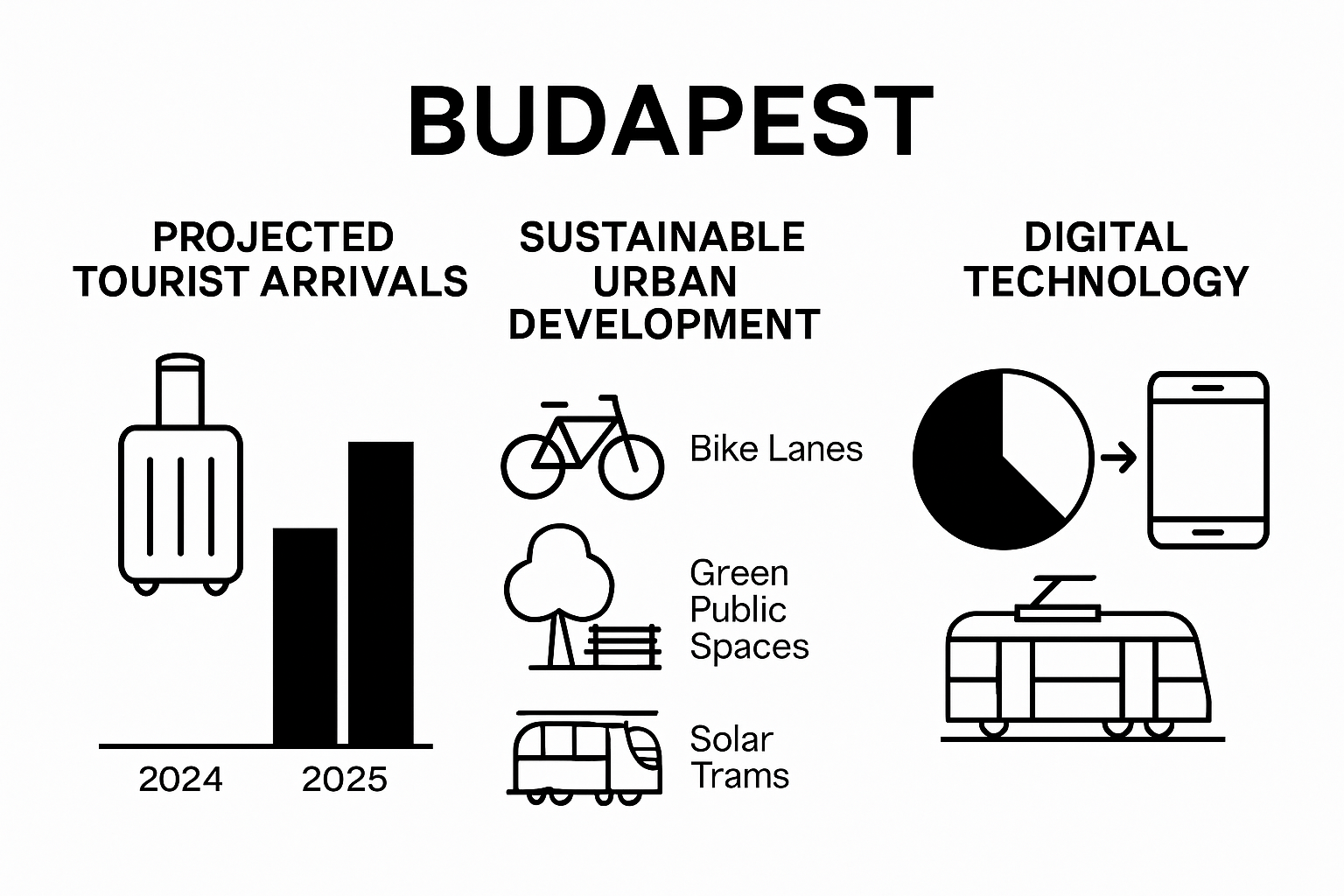
As global travel dynamics evolve, Budapest emerges as a pivotal destination poised to redefine urban tourism experiences in 2026. The city represents a strategic intersection of technological innovation, cultural preservation, and sustainable urban development.
Economic and Tourism Transformation
According to the European Commission, Hungary’s economic landscape in 2026 reflects a nuanced journey of gradual recovery and strategic repositioning. The projected GDP growth signals important developments for Budapest’s tourism sector, characterized by:
- Increased digital infrastructure investments
- Enhanced visitor experience technologies
- Sustainable tourism development strategies
- Smart city integration initiatives
These economic shifts are not merely statistical indicators but represent fundamental reimagining of how Budapest positions itself on the global travel map.
Technological and Cultural Innovation
Budapest in 2026 represents more than a destination. It embodies a living laboratory of technological and cultural integration. Emerging technologies like augmented reality city tours, blockchain-powered cultural heritage preservation, and AI-driven personalized travel experiences are transforming how visitors interact with the city.
Museums, historical sites, and cultural institutions are leveraging cutting-edge technologies to create immersive, interactive experiences that bridge historical narratives with contemporary digital engagement. This approach ensures that Budapest remains relevant, engaging, and accessible to a new generation of global travelers.
Sustainable Urban Development
The city’s commitment to sustainable urban development positions Budapest as a model for responsible tourism. Strategic urban planning initiatives focus on reducing environmental impact, promoting green transportation, and creating inclusive public spaces that benefit both residents and visitors.
From expansive bicycle infrastructure to energy-efficient public transportation and green urban design, Budapest demonstrates how historical cities can evolve without compromising their cultural integrity. This holistic approach to urban development makes the city an attractive destination for conscientious travelers seeking meaningful, responsible travel experiences in 2026.
Exploring Budapest’s Historical Significance and Attractions
Budapest serves as a profound historical canvas where centuries of European narratives converge, creating an extraordinary urban landscape that transcends typical historical destinations. The city represents a living museum where every street, building, and monument tells a complex story of resilience, transformation, and cultural evolution.
Castle District: A Window into Royal Heritage
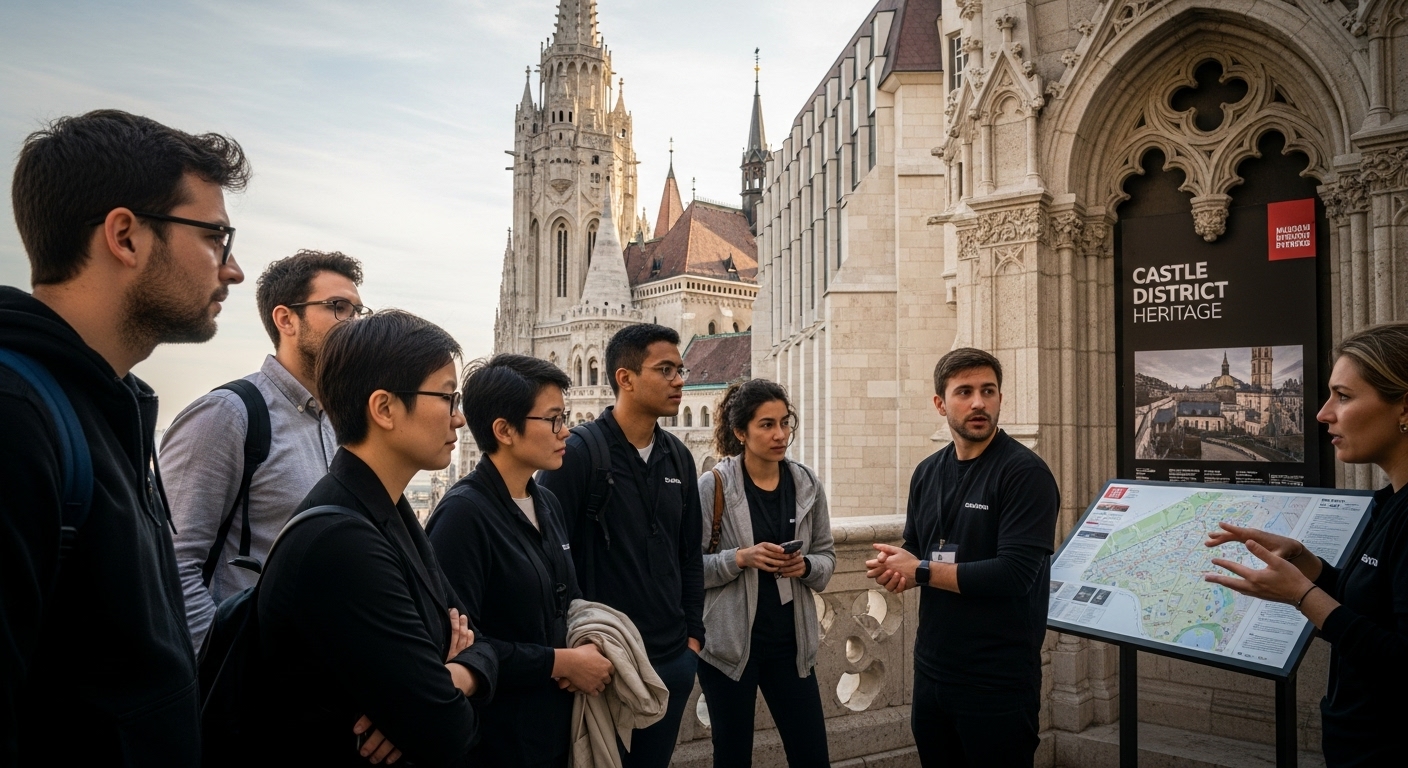
According to UNESCO, the Buda Castle complex embodies Budapest’s multilayered historical significance. Constructed initially in 1265 and dramatically rebuilt through various historical periods, the castle represents more than a royal residence. It symbolizes Hungary’s remarkable journey through medieval, Ottoman, Habsburg, and modern eras.
The Castle District offers visitors an immersive historical experience featuring:
- Architectural styles spanning multiple centuries
- Comprehensive museum collections
- Panoramic views of the city
- Meticulously preserved historical spaces
- Archaeological remnants revealing different historical epochs
Visitors can explore the Hungarian National Gallery, Budapest Historical Museum, and National Széchényi Library, each offering unique insights into the nation’s rich cultural heritage.
Architectural Marvels and Symbolic Landmarks
Budapest’s landmarks are not merely aesthetic structures but powerful narratives of historical resilience. The Fisherman’s Bastion, a Neo-Romanesque marvel, exemplifies this beautifully. Its seven towers symbolically represent the seven Magyar chieftains who founded Hungary, transforming architectural design into a profound historical statement.
Similarly, the Hungarian State Opera House stands as a testament to artistic excellence. Built in 1884, its Neo-Renaissance architecture reflects the city’s commitment to cultural sophistication and artistic innovation during the Austro-Hungarian Empire’s golden age.
Cultural Preservation and Historical Continuity
What distinguishes Budapest is its extraordinary ability to preserve historical integrity while remaining a vibrant, contemporary metropolis. Historical sites are not static museums but living spaces that continue to serve contemporary social and cultural functions.
This dynamic approach to historical preservation ensures that Budapest’s attractions are not mere relics but active participants in the city’s ongoing narrative. Each monument, street, and public space becomes a bridge connecting past experiences with present interpretations, inviting visitors to become part of an unfolding historical dialogue.
The Modern Vibe: How Budapest Blends Tradition with Today
Budapest represents a sophisticated urban canvas where historical legacy and contemporary innovation dance in remarkable harmony. The city has transformed from a historical monument into a dynamic, forward-thinking metropolis that seamlessly integrates centuries of cultural heritage with cutting-edge urban design and technological advancement.
Urban Transformation and Architectural Innovation
According to research on urban development, Budapest’s metropolitan region exemplifies a revolutionary approach to urban planning. The city’s architectural landscape showcases a strategic fusion of old and new, characterized by:
- Adaptive reuse of historical buildings
- Contemporary architectural interventions
- Preservation of architectural heritage
- Integration of smart city technologies
- Sustainable urban development strategies
This approach ensures that every street, building, and public space tells a nuanced story of cultural evolution, where historical structures are not replaced but reimagined and repurposed.
Cultural Ecosystem of Innovation
Modern Budapest is more than a geographical location. It represents a living, breathing cultural ecosystem where tradition and innovation coexist. Ruin bars in abandoned buildings, tech startups operating from historic districts, and contemporary art galleries nestled within centuries-old structures exemplify this unique urban phenomenon.
The city’s younger generations are driving this transformation, creating vibrant spaces that respect historical context while pushing boundaries of creativity, technology, and social interaction. From digital art installations in medieval courtyards to blockchain technology firms operating in Baroque-era buildings, Budapest embodies a fluid, dynamic cultural landscape.
Global Influences and Local Identity
Budapest’s modern vibe is not about wholesale westernization but a sophisticated dialogue between global influences and deeply rooted local identity. The city absorbs international trends while maintaining its distinctive Hungarian character, creating a unique urban experience that feels simultaneously familiar and exotic.
This delicate balance transforms Budapest from a mere tourist destination into a complex, multilayered urban experience. Visitors and residents alike find themselves immersed in a city that respects its past, celebrates its present, and boldly imagines its future.
Traveling to Budapest: Understanding the Practical Aspects
Navigating Budapest requires more than just excitement. Successful travel demands strategic planning, understanding local nuances, and preparing for a seamless experience in this vibrant Central European destination. Travelers who approach their journey with informed preparation will unlock the city’s most rewarding experiences.
Entry Requirements and Documentation
According to official travel guidelines, Hungary maintains specific entry protocols that travelers must carefully navigate. Passport and visa requirements are critical considerations for international visitors. Travelers should ensure:
- Valid passport with minimum six months remaining
- Appropriate Schengen visa if required
- Proof of sufficient financial resources
- Travel insurance covering medical emergencies
- Return ticket or onward travel documentation
These documentation requirements are not merely bureaucratic formalities but essential safeguards ensuring smooth entry and protecting travelers’ interests during their Hungarian adventure.
The following table provides an at-a-glance overview of key visitor requirements to help travelers plan a smooth entry into Budapest.
| Requirement | Details/Description |
|---|---|
| Passport | Must be valid with at least 6 months validity remaining |
| Visa | Schengen visa required for non-EU/non-EEA nationals |
| Financial Resources | Evidence of sufficient funds for stay |
| Travel Insurance | Required; must cover medical emergencies |
| Proof of Exit | Return ticket or onward travel documentation |
Transportation and Mobility
Budapest offers an extensive, well-connected public transportation system that makes urban navigation intuitive and efficient. The city’s integrated network includes metro lines, trams, buses, and trolleybuses, providing comprehensive coverage across both Buda and Pest districts.
Travelers can purchase multi-day transportation passes, which offer unlimited travel and significant cost savings. Digital ticketing systems and mobile applications make route planning and ticket purchasing remarkably straightforward, enabling visitors to move around the city with confidence and ease.
Health and Safety Considerations
Responsible travel involves understanding local health protocols and safety recommendations. While Budapest is generally a safe destination, travelers should remain aware of standard urban precautions. European emergency services can be reached by dialing 112, providing immediate access to medical and security assistance.
Healthcare facilities in Budapest are modern and professional, with many medical professionals speaking English. However, travelers are advised to secure comprehensive travel insurance that covers potential medical treatments and emergency evacuations. Maintaining standard travel safety practices such as being aware of personal belongings and avoiding isolated areas during late hours will further enhance personal security.
Ready to Experience the Real Budapest in 2026?
If you are searching for more than just the usual tourist sights and want an authentic look at Budapest’s cultural richness, architectural marvels, and evolving modern vibe, you are not alone. As the article highlighted, travelers today want in-depth guidance on Budapest’s layered history, dynamic traditions, and innovative urban change. The challenge is knowing where to begin, how to navigate the city’s hidden gems, and how to keep up with new trends that matter. Whether you feel overwhelmed by entry requirements, confused about making the most of your stay, or simply curious about the latest local hotspots, your journey does not need to be complicated.
Let It’s Hungary be your go-to source for answers and inspiration. With in-depth articles about Budapest’s top attractions, up-to-date guides on Hungarian festivals and events, and expert advice on local experiences, we help you plan your dream trip with confidence. Uncover the best ways to blend historic landmarks with Budapest’s vibrant modern pulse. Explore authentic culinary traditions, discover practical travel tips, and break out of the typical tourist mold. Visit It’s Hungary now and start designing a uniquely immersive adventure in Budapest for 2026.
Frequently Asked Questions
What makes Budapest a unique travel destination in 2026?
Budapest’s uniqueness in 2026 stems from its blend of historical richness and modern innovations. The city combines architectural diversity, cultural preservation, and technological advancements, creating a vibrant atmosphere that attracts diverse travelers.
How is Budapest enhancing its visitor experience through technology?
Budapest is implementing emerging technologies, such as augmented reality city tours and AI-driven travel experiences, to create interactive and immersive ways for visitors to engage with the city’s cultural heritage and history.
What sustainable practices is Budapest adopting to support tourism?
The city is focusing on sustainable urban development, including green transportation initiatives, energy-efficient public transport, and creating inclusive public spaces, aiming to reduce environmental impact while preserving its cultural integrity.
What are the key attractions in Budapest that reflect its historical significance?
Key attractions include Buda Castle, which showcases a blend of architectural styles, and the Hungarian State Opera House, a symbol of cultural sophistication. These sites not only preserve history but are also integrated into the city’s contemporary life.