Budapest sits at the crossroads of history and adventure, drawing travelers from around the world with its grand architecture and famous thermal baths. Yet even with over 30 million visitors each year, planning the perfect trip can feel overwhelming and expensive. The real secret is that with a few smart moves, your dream Budapest adventure can be surprisingly affordable and stress-free.
Table of Contents
- Step 1: Research Your Travel Dates And Budget
- Step 2: Book Your Flights And Accommodations
- Step 3: Plan Your Itinerary And Activities
- Step 4: Pack Essentials For Your Trip
- Step 5: Navigate The City And Enjoy Your Visits
- Step 6: Reflect On Your Experience And Share Memories
Quick Summary
| Key Point | Explanation |
|---|---|
| 1. Research travel dates and budget. | Choosing the right dates can enhance your experience, while a flexible budget ensures financial comfort during your trip. |
| 2. Book flights 2-6 months in advance. | Early booking helps secure lower fares and better availability for your flights to Budapest. |
| 3. Create a strategic itinerary. | A well-planned itinerary balances structured visits with spontaneity while ensuring you see essential landmarks. |
| 4. Pack versatile essentials for varying weather. | Layerable clothing and essential documents are crucial to adapt to Budapest’s changing weather and cultural sites. |
| 5. Use public transport and apps for navigation. | Understanding local transit and using technology enhances your ability to explore Budapest efficiently and comfortably. |
Step 1: Research Your Travel Dates and Budget
Planning a trip to Budapest begins with strategic research and financial preparation. Understanding when to visit and how much money you’ll need can transform your travel experience from stressful to seamless. Budapest offers unique experiences throughout the year, so selecting the right dates requires careful consideration of weather, tourist seasons, and your personal preferences.
Begin by examining Budapest’s seasonal variations. Summer months (June through August) attract the most tourists, with warm temperatures and vibrant festival scenes. However, these peak months also mean higher prices and crowded attractions. Shoulder seasons like April-May and September-October provide an ideal balance of pleasant weather, fewer crowds, and more affordable travel rates. Winter months offer magical experiences with Christmas markets and lower accommodation costs, though temperatures can be quite chilly.
Budget planning requires a comprehensive approach. Allocate your budget across key categories:
- Accommodation: Budget $50-150 per night depending on your preferred comfort level
- Food: Estimate $20-40 daily for meals
- Transportation: Local transit and occasional taxi rides might cost $10-25 per day
- Attractions and Tours: Set aside $30-60 daily for museum entries, guided experiences
- Emergency Fund: Always reserve 10-15% of your total budget for unexpected expenses
Utilize digital tools like travel budget apps and currency conversion calculators to streamline your financial planning. Websites such as Numbeo can provide current cost-of-living insights specific to Budapest, helping you refine your budget with real-time data. Consider purchasing a Budapest Card, which offers free public transportation and discounts on multiple attractions, potentially saving you money during your visit.
Verify your travel readiness by creating a detailed spreadsheet tracking all anticipated expenses, cross-referencing prices from multiple sources, and ensuring you have a financial buffer. Your goal is a well-researched, flexible budget that allows you to enjoy Budapest without constant financial stress.
Step 2: Book Your Flights and Accommodations
After researching travel dates and budget, the next critical step is securing your flights and accommodations for Budapest. This process requires strategic planning, flexibility, and attention to detail to ensure a smooth and enjoyable travel experience. The key is finding the right balance between cost, convenience, and comfort.
Flights to Budapest typically arrive at Ferenc Liszt International Airport, located just outside the city center. Booking international flights 2-6 months in advance offers the best combination of pricing and availability. Use comparison platforms like Skyscanner, Google Flights, and KAYAK to track price trends and find the most economical routes. Pro tip: Consider flying midweek and during shoulder seasons for potentially lower fares.
When selecting accommodations, Budapest offers diverse options ranging from budget hostels to luxury hotels. Consider your priorities: proximity to city center, amenities, budget, and travel style. Districts V, VI, and VII offer central locations with easy access to major attractions. Neighborhoods like the Jewish Quarter provide vibrant atmosphere, while areas near Castle District offer historic charm. Websites like Booking.com, Airbnb, and Hostelworld can help you compare options and read traveler reviews.
Prioritize accommodations with key features such as:
- Free Wi-Fi
- Proximity to public transportation
- 24-hour reception
- Cancellation flexibility
- Kitchen facilities (for budget travelers)
Budapest’s public transportation makes many locations convenient, so don’t stress about being directly in the city center. Metro lines, trams, and buses connect most areas efficiently. When booking, check the specific location’s walking distance to metro stations and major attractions.
Verify your bookings by saving digital and printed copies of flight and accommodation reservations. Double-check passport validity, travel insurance, and any required entry documentation. Create a digital folder with all reservation confirmations, contact information, and emergency numbers. By thoroughly preparing your flights and accommodations, you’ll set a solid foundation for an incredible Budapest adventure.
Step 3: Plan Your Itinerary and Activities
Creating a strategic itinerary transforms a good trip into an extraordinary Budapest experience. Your travel plan should balance structured exploration with flexible spontaneity, allowing you to immerse yourself in the city’s rich cultural landscape without overwhelming yourself. Budapest offers an incredible array of historical, architectural, and cultural attractions that require thoughtful navigation.
According to research from the U.S. Department of State, effective travel planning involves understanding the city’s diverse districts and prioritizing key experiences. Start by mapping out must-see landmarks like the Hungarian Parliament Building, Buda Castle, and the iconic Chain Bridge. Group attractions geographically to minimize travel time and maximize efficiency. The city is conveniently divided into two primary sections Buda and Pest each offering unique experiences best explored systematically.
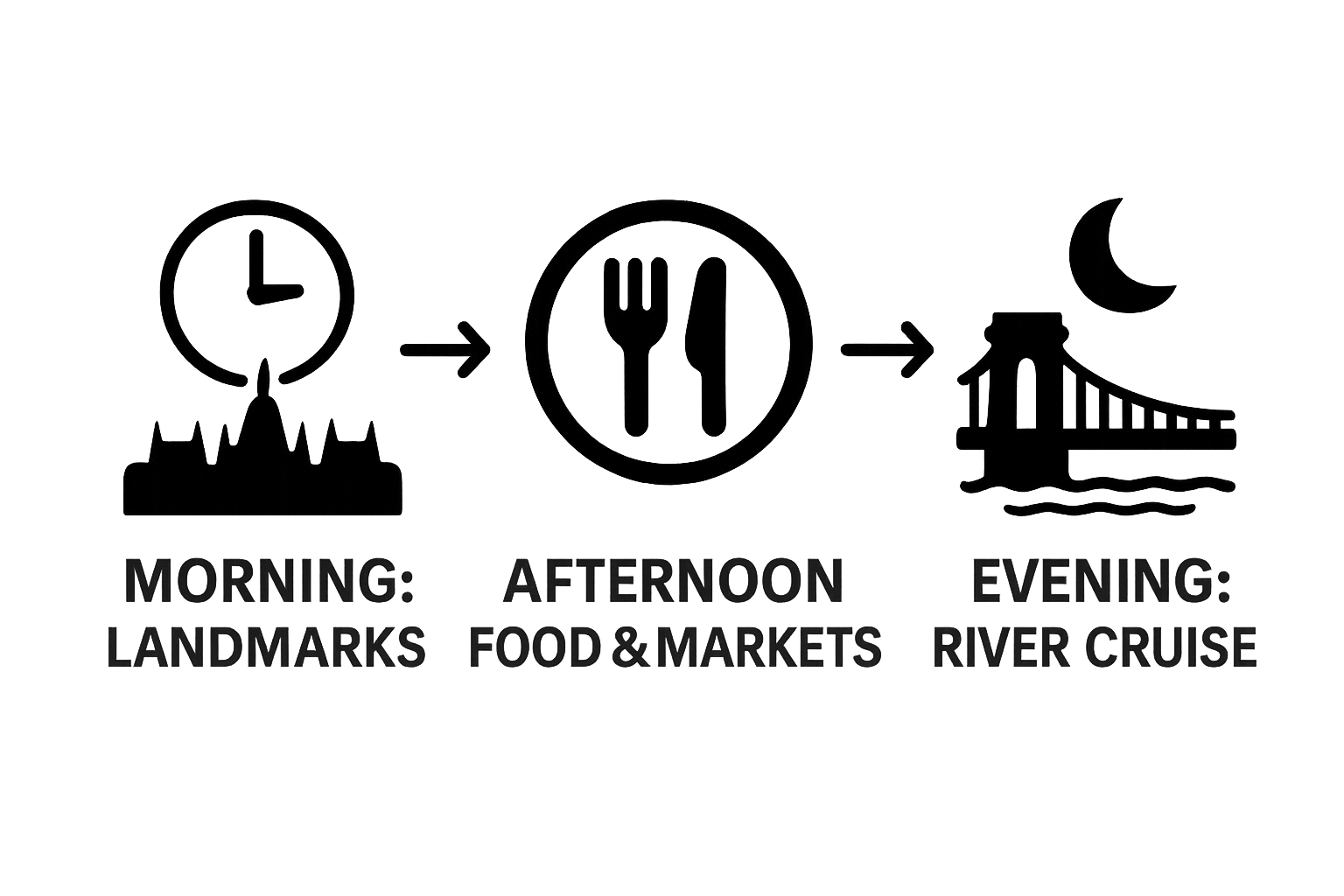
Dedicate specific days to different themes. For instance, one day might focus on historical sites, another on culinary experiences, and a third on architectural wonders. Morning hours are ideal for major attractions when crowds are smaller, while afternoons can be reserved for leisurely explorations, thermal bath visits, or relaxed cafe experiences. Consider purchasing a Budapest City Card, which provides free public transportation and entry to multiple museums, helping you save money and time.
Essential activities to include in your itinerary:
- Hungarian Parliament Building tour
- Fisherman’s Bastion panoramic views
- Thermal bath experience at Széchenyi or Gellért
- Walking tour of the Jewish Quarter
- Evening Danube River cruise
- Central Market Hall exploration
Technology can significantly enhance your planning. Use apps like Google Maps for route planning, TripAdvisor for attraction reviews, and local transit apps for navigation. Create a digital or physical travel journal to track your daily plans, leaving room for unexpected discoveries. Build in buffer time between activities to account for travel, rest, and spontaneous experiences.
Verify your itinerary’s feasibility by checking opening hours, ticket requirements, and potential seasonal variations. Cross-reference your planned activities with local event calendars to ensure you’re not missing festivals or special exhibitions. A well-crafted itinerary balances structured exploration with the magic of unexpected urban adventures.
Step 4: Pack Essentials for Your Trip
Packing for Budapest requires strategic thinking and careful consideration of both practical needs and cultural nuances. Your suitcase should be a carefully curated collection of items that balance comfort, versatility, and preparedness for the unique experiences awaiting you in Hungary’s vibrant capital.
Travelers should prioritize essential documents and adaptable clothing. Pack lightweight, layerable clothing that can transition between Budapest’s variable weather conditions. Summer temperatures can reach 90°F, while winter might dip below freezing. Bring a mix of breathable shirts, comfortable walking pants, and a light jacket or sweater for temperature fluctuations.
Electrical preparedness is crucial. Hungary uses Type C and F electrical outlets with 230V voltage, so pack universal adapters and voltage converters for your electronic devices. Consider bringing a portable battery pack for long days of exploration, ensuring your smartphone and camera remain charged while touring historic sites like the Parliament Building or wandering through the Jewish Quarter.
Essential items to pack:
- Passport and travel documents
- European electrical adapter
- Comfortable walking shoes
- Light rain jacket
- Modest clothing for church and museum visits
- Portable charger
- Basic first aid kit
- Travel insurance information
Special considerations include modest clothing for religious sites, comfortable walking shoes for cobblestone streets, and a small daypack for daily adventures. Budapest’s thermal baths require specific attire, so pack a swimsuit, quick-dry towel, and waterproof sandals. Consider bringing a lightweight scarf or jacket that can be easily added or removed, providing flexibility in changing weather conditions.
Verify your packing by laying out all items and cross-checking against a digital checklist. Take photos of important documents like passport and insurance cards, storing digital copies securely online. Remember that efficient packing isn’t about bringing everything, but about bringing the right things that enhance your travel experience and provide peace of mind.
To make packing easier and help readers check off the most important travel items, here is a concise packing essentials checklist tailored for a Budapest trip.
| Item | Purpose/Use | Packing Tip |
|---|---|---|
| Passport and travel documents | Required for entry and identification | Store digital backups |
| European electrical adapter | Charge electronic devices | Check for Type C/F plug |
| Comfortable walking shoes | Navigate cobblestone streets and attractions | Choose supportive footwear |
| Light rain jacket | Stay dry during sudden showers | Opt for a packable version |
| Modest clothing | Visit churches and museums respectfully | Bring a scarf or light cover-up |
| Portable charger | Keep devices powered during long days | Select a compact size |
| Basic first aid kit | Address minor injuries or illnesses | Include common medications |
| Travel insurance information | Emergency and health coverage reference | Carry paper and digital copies |
| Swimsuit and towel | Thermal bath visits | Quick-dry recommended |
Step 5: Navigate the City and Enjoy Your Visits
Navigating Budapest transforms from potentially overwhelming to wonderfully intuitive once you understand the city’s transportation ecosystem and cultural rhythms. Your journey through Hungary’s capital will be most enjoyable when you approach exploration with confidence, flexibility, and a sense of adventure.
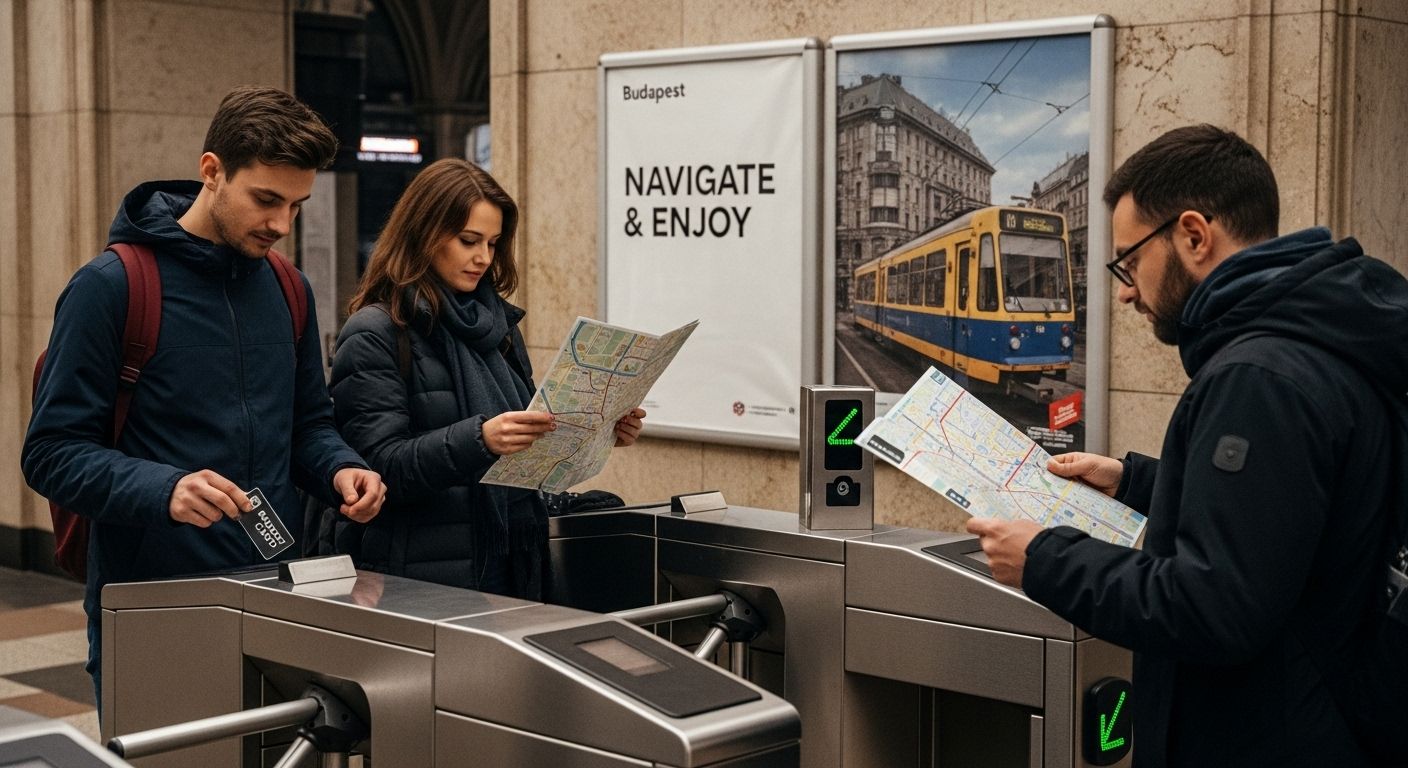
Understanding local transportation is key to a successful visit. Budapest’s public transportation system is remarkably efficient, featuring an extensive network of metros, trams, buses, and trolleybuses. Purchase a Budapest Card for unlimited public transit access and additional museum entries. The metro system, with its color-coded lines, is particularly user-friendly and connects most major attractions.
Technology can significantly enhance your navigation experience. Download offline maps through Google Maps or Maps.me, ensuring you can navigate even without cellular data. Budapest’s Wi-Fi coverage is excellent, with free hotspots in many public spaces. Consider purchasing a local SIM card for affordable data access, which typically costs around 10-15 euros and provides ample internet connectivity throughout your trip.
Key navigation strategies:
- Learn basic Hungarian transportation phrases
- Always validate your metro/tram ticket before boarding
- Keep digital and physical copies of important documents
- Use ride-sharing apps as backup transportation
- Carry a physical city map as emergency backup
For a truly immersive experience, mix organized tours with independent exploration. Walking remains one of the best ways to discover Budapest’s hidden gems. The city is relatively compact, with most central attractions within reasonable walking distance. If you’re looking for a spectacular city overview, discover the best panoramic views from elevated vantage points like the Budapest Eye or Fisherman’s Bastion.
Verify your navigation skills by confidently moving between attractions without excessive reliance on digital maps. Embrace occasional spontaneity embrace getting slightly lost as an opportunity for unexpected discoveries. Budapest rewards curious travelers who balance planned routes with impromptu explorations.
Step 6: Reflect on Your Experience and Share Memories
The journey through Budapest isn’t complete when you return home it continues through the memories, stories, and personal transformations you carry with you. Reflecting on your travel experience allows you to internalize the cultural insights, personal growth, and extraordinary moments that define your Hungarian adventure.
Documenting and sharing travel experiences can significantly enhance your overall travel memory and personal development. Begin by creating a dedicated travel journal or digital archive immediately after returning. Write detailed entries capturing not just the events, but your emotional responses, unexpected discoveries, and personal reflections. Include ticket stubs, photographs, and small mementos that tell the story beyond words.
Photography plays a crucial role in memory preservation. Organize your digital photographs systematically, creating themed albums that capture different aspects of your Budapest experience. Consider creating a digital slideshow or photo book that tells a narrative arc of your journey. Select images that represent not just landmarks, but candid moments of cultural interaction, local cuisine experiences, and personal discoveries.
Key memory preservation strategies:
- Create a comprehensive digital photo album
- Write detailed trip journal entries
- Share stories with friends and family
- Print selected photographs for physical display
- Create a travel memory scrapbook
Social media offers platforms for sharing your experiences, but approach sharing strategically. Instead of rapid-fire posting, create thoughtful, narrative-driven content that provides genuine insights into Budapest’s culture. Share stories that go beyond surface-level tourism, highlighting cultural nuances, personal growth, and meaningful interactions. Consider starting a travel blog or creating highlight reels that capture the essence of your Hungarian experience.
Verify the depth of your reflection by assessing how your perspectives have shifted. Have you gained new cultural understanding? Developed personal insights? Transformed your worldview? The most meaningful travel experiences transcend mere tourism, becoming catalysts for personal growth and broader cultural appreciation. Your Budapest journey is not just a trip, but a chapter in your ongoing life story.
Ready to Make Your Budapest Trip Simple and Unforgettable?
Are you struggling to turn all your research and planning into the Budapest trip you really want? This guide has shown how packing, budgeting, and route planning can quickly become overwhelming—whether it’s picking the right accommodation, scheduling must-see activities, or learning how to use local transport. Instead of piecing everything together on your own, why not use expert tips, curated itineraries, and authentic recommendations that save you time and help you avoid common travel mistakes?
Experience Budapest with confidence. Visit our Budapest Archives for handpicked guides, local secrets, and up-to-date event info. Discover how to enjoy everything from famous sites to underground treasures. For more cultural insights, travel tips, and culinary must-tries, explore our main portal at It’s Hungary. Start planning with the right tools now—the best time to enjoy Budapest is when you have real local knowledge at your fingertips.
Frequently Asked Questions
What is the best time to visit Budapest?
The best time to visit Budapest is during the shoulder seasons, specifically in April-May and September-October, when the weather is pleasant, crowds are fewer, and prices are more affordable. Summer months attract more tourists, while winter offers unique experiences like Christmas markets.
How should I budget for a trip to Budapest?
When budgeting for a trip to Budapest, allocate funds for key categories such as accommodation ($50-150 per night), food ($20-40 daily), transportation ($10-25 per day), attractions ($30-60 daily), and an emergency fund (10-15% of your total budget). Utilize travel budget apps for better financial planning.
What essential items should I pack for my Budapest trip?
Pack lightweight, layerable clothing to accommodate varying weather conditions, comfortable walking shoes, a European electrical adapter, a light rain jacket, modest clothing for religious sites, and a portable charger. Don’t forget your travel documents and travel insurance information.
How can I navigate Budapest easily during my visit?
Navigating Budapest is straightforward due to its efficient public transportation system, which includes metros, trams, and buses. Purchase a Budapest Card for unlimited transit access and use offline maps for ease of navigation. Mixing organized tours with independent exploration can also enhance your experience.