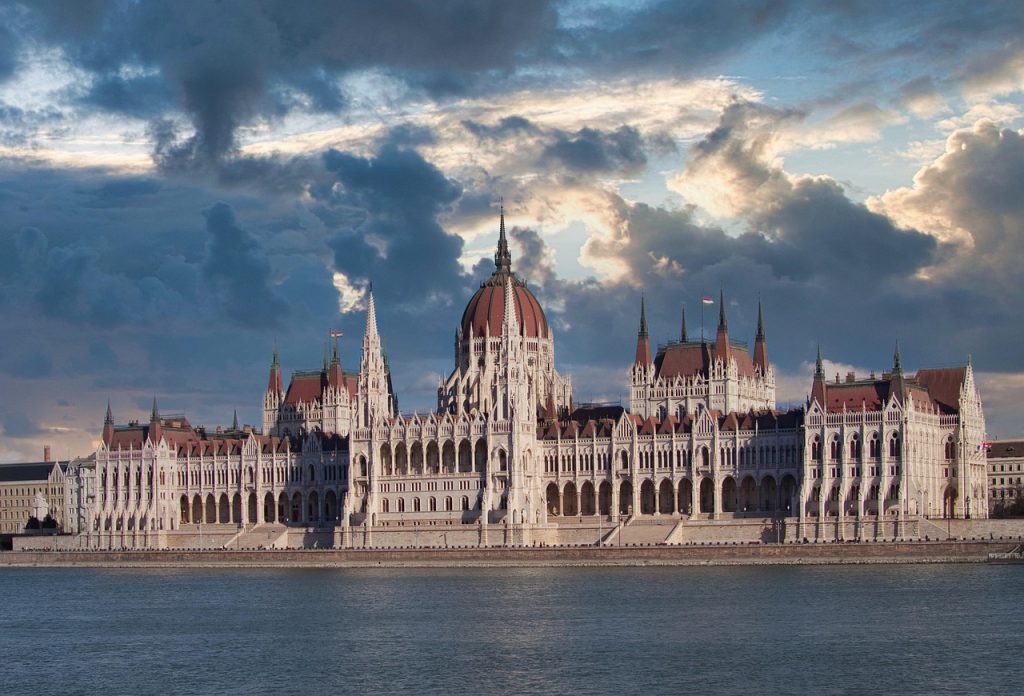
Discover the splendor of the Hungarian Parliament, a majestic Neo-Gothic structure situated on the banks of the Danube River in Budapest. Serving as both the National Assembly’s headquarters and a symbol of Hungary’s cultural heritage, this architectural marvel showcases the nation’s rich history. Immerse yourself in its intricate design, grand domes, and opulent interior to unravel its significance and learn about the country’s past. Come with us as we delve into why a visit to this iconic building is a must on your Budapest itinerary.
The Architectural Marvel: A Closer Look at the Neo-Gothic Style of the Hungarian Parliament
Key Features of Neo-Gothic Architecture
As you approach the Hungarian Parliament, you’ll be captivated by its striking Neo-Gothic elements that dominate the skyline. This architectural style is characterized by a plethora of intricate details that evoke a sense of grandeur and history.
- Tall spires and towers that reach toward the heavens
- Pointed arches, a hallmark of the Gothic style
- Ornamental stonework, including gargoyles and statues
- Exquisite stained glass windows that infuse spaces with colorful light
- Elaborate ribbed vaults that enhance the interior aesthetics
Thou art embraced by the intricate beauty that defines Neo-Gothic architecture.
The Influences Behind the Parliament’s Design
The design of the Hungarian Parliament draws inspiration from various sources, intertwining historical and cultural elements into its fabric. You’ll notice the influence of medieval architecture, especially from the Gothic cathedrals, which emphasized verticality and light. Additionally, Ludwig von Fischner’s vision was shaped by the growing nationalistic movements in the 19th century, reflecting a desire to establish a distinct Hungarian identity through its architecture. Both local and international trends played a pivotal role in shaping its aesthetic, making the building a tapestry of artistic expression and national pride.

Historical Significance of the Hungarian Parliament: From Ideation to Construction
The Political Climate of Late 19th Century Hungary
During the late 19th century, Hungary was navigating a complex political landscape characterized by a desire for national identity amidst the Austro-Hungarian Empire’s dominance. This period witnessed the 1867 Compromise, which established Hungary as a co-equal partner with Austria. A surge of nationalism filled the air, manifesting in cultural aspirations that propelled large-scale investments in public architecture, key to asserting Hungary’s independence and values. The Parliament became a symbol of this renewed national pride, reflecting both a unity and a vision for the future.
Famous Architects and Their Vision
Leading the charge in realizing the vision for the Hungarian Parliament were architects Imre Steindl and his contemporaries, who were driven by a willingness to combine traditional Hungarian elements with contemporary architectural styles. Steindl, with a background in both Gothic revival and regional designs, envisioned a structure that would represent the nation’s cultural identity while mirroring the political aspirations of the time. This ambition translated into intricate designs, soaring spires, and a harmonious façade that celebrated Hungary’s rich history while looking forward to its future.
Imre Steindl’s passion for Neo-Gothic aesthetics led to innovative elements that would define the Parliament’s striking appearance. Inspired by the likes of London’s Palace of Westminster, Steindl’s design incorporated features such as pointed arches and detailed sculptures, creating a building that marries artistry and functionality. The structure spans over 18,000 square meters and boasts 691 rooms, reflecting an ambitious scale meant to accommodate the burgeoning government of a resurgent Hungary. This vision was not just about creating a seat for lawmakers, but a monumental statement of national pride and cultural significance.
The Grand Scale: Dimensions and Features
Measuring Up: The Size of the Parliament Building
The Hungarian Parliament stands at an impressive 268 meters in length and 123 meters in height at its tallest point. Encompassing approximately 18,000 square meters, it boasts over 691 rooms, including a majestic staircase and numerous grand halls. This massive structure is one of the largest in Europe, making an indelible mark on Budapest’s skyline.
The Dome and Other Architectural Highlights
The iconic dome of the Parliament rises majestically, reaching a height of 96 meters, symbolizing the year of Hungary’s conquest in 896. Adorned with intricate sculptures, the dome is encircled by towers and spires that echo the detail and elegance typical of Neo-Gothic architecture. Along with its façade featuring pointed arches and decorative elements, the design reflects the deep-rooted history and culture of Hungary.
The dome, as the central feature of the Parliament building, not only serves a visual function but also enhances the structure’s acoustics, allowing for stunning sound dynamics during speeches and performances. The interior showcases a blend of craftsmanship with opulent materials, including gold leaf and marble. Decorative motifs, frescoes, and stained-glass windows permeate throughout, captivating visitors with every glance. Each architectural highlight tells a story, drawing you deeper into Hungary’s rich legislative heritage. From the sprawling hallways to the serene inner courtyards, every element of this landmark reinforces its role as a symbol of the nation’s identity and aspirations.
The Symbolism of the Structure: Beyond Aesthetics
National Identity Embodied in Stone
Your visit to the Hungarian Parliament is not merely about admiring its grand architecture; it’s a powerful representation of Hungary’s national identity. Constructed between 1885 and 1904, the building encapsulates the aspirations and resilience of the Hungarian people. The architectural choices reflect a proud heritage, signifying independence and unity at a time when the nation was striving to assert itself on the European stage.
Symbolic Elements in Design and Decoration
Every corner of the Parliament is steeped in symbolism, conveying a rich historical narrative through its artwork, sculptures, and decorative elements. For instance, the use of the crown of St. Stephen, Hungary’s first king, in many decorative motifs reinforces the connection to royal heritage and national pride. From the vaulted ceilings to the intricate carvings, each detail serves to honor Hungary’s cultural legacy and traditions.

In more detail, the Parliament’s interior showcases various symbolic features, including the monumental staircase adorned with rounded arches that represent the unification of various ethnic groups within Hungary. The grand dome, which rises to 96 meters – a number symbolizing the year Hungary was established – harmonizes the past with the present. Additionally, over 40 sculpted figures embellish the building’s façade, including notable leaders and historical figures that further enrich the narrative of progress and governance. Taken together, these elements create an eloquent dialogue between architecture and national pride, inviting you to explore the layered meanings behind the stunning visuals.
The Construction Journey: Challenges and Triumphs
Timeline from Groundbreaking to Completion
The construction of the Hungarian Parliament commenced on October 23, 1885, following a period of meticulous planning and design. Over the years, persistent efforts led to the building’s official inauguration on March 31, 1904. It took nearly two decades to realize this architectural dream, with countless artisans and laborers contributing to its intricate detailing and grand aesthetics along the way.
Resources Utilized: Materials and Labor
The project demanded an array of high-quality materials and skilled labor. Approximately 40 million bricks, along with 500,000 precious stones, including marble and gold leaf, were employed to bring the Parliament to life. Skilled stonemasons and artisans from Hungary and beyond played vital roles in executing the elaborate designs crafted by architect Imre Steindl.
This construction effort was an impressive feat, using materials sourced from across Hungary for authenticity and local pride. The brickwork featured decorative motifs that symbolized various regions, while the interior boasted the work of talented craftspeople skilled in stone carving, metalwork, and decorative painting. This collaborative effort not only showcased Hungary’s natural resources but also highlighted the nationalistic spirit of the time, aiming to reflect the cultural identity and aspirations of the nation through such a monumental structure.
Interior Wonders: Inside the Walls of Power
The Main Hall: A Center of Political Activity
The Main Hall of the Hungarian Parliament is a striking space where legislative business comes to life. Towering spires and intricate decorations frame the room, which serves as the backdrop for formal sessions and political debates. When you stand in this grand hall, you can almost feel the weight of history and decisions that have shaped the nation echoing within its walls. This vibrant heart of democracy resonates with the voices of influential leaders and pivotal moments in Hungarian politics.
Notable Rooms and Their Historical Importance
Within the Parliament’s lavish interior, several rooms stand out for their architectural beauty and historical significance. The Dome Hall, the room where the Holy Crown of Hungary is kept, is a particular highlight, representing centuries of national pride. Your exploration of these notable spaces reveals not only the artistry of Hungarian craftsmanship but also local narratives interwoven with the country’s past. Each room carries a story, reflecting the evolution of the nation’s governance.
Cultural Impact: Influences on Art and Literature
The Parliament in Hungarian Literature
The Hungarian Parliament has inspired numerous literary works, becoming a symbol of national pride and identity. Writers like Sándor Petőfi and László Nagy often evoke the Parliament in their poetry, using it as a backdrop for themes of freedom, democracy, and struggle. These references not only highlight the building’s architectural grandeur but also anchor it firmly in the heart of Hungary’s historical narrative, making it a touchstone for anyone exploring the depths of Hungarian literature.
Artistic Representations in Various Media
The Parliament’s stunning architecture has been depicted across diverse artistic media, capturing its majestic form and cultural significance. Painters, photographers, and sculptors have all sought to represent the building, each offering a unique perspective. In fine art, renowned painter József Rippl-Rónai created vibrant depictions that emphasize its intricate details and atmospheric presence, while contemporary photographers showcase it against the breathtaking backdrop of the Danube River, drawing countless tourists and residents alike to revel in its beauty.

Various artistic interpretations also play a vital role in exposing the rich narrative surrounding the Hungarian Parliament. For instance, in photography, you might come across stunning twilight shots where the dome appears to shimmer with golden lights. Alternatively, in sculpture, local artists craft miniatures that capture the essence of this landmark, often incorporating elements that reflect Hungary’s cultural narratives. Each artistic piece offers a new lens through which you can appreciate the importance of this historical building, demonstrating how the Parliament transcends its physical form to become an emblem of cultural pride and artistic inspiration.
The Building as a Tourist Magnet: Popularity and Accessibility
Visitor Statistics: Who Comes to See the Parliament?
Over 1.5 million visitors flock to the Hungarian Parliament every year, drawn by its stunning architecture and historical significance. Tourists from all corners of the globe are eager to experience the grandeur of this landmark, with a significant percentage coming from the United States, Germany, and neighboring countries. The combination of guided tours and self-exploration attracts both history enthusiasts and casual travelers alike, eager to glimpse a piece of Hungarian culture.
Tips for Touring the Iconic Structure
When planning your visit to the Parliament, consider these imperative tips to enhance your experience. Arrive early to secure the best guided tour spots, and be sure to purchase tickets in advance to avoid long lines. Guided tours are available in multiple languages and provide fascinating insights into the building’s history and architecture.
- Explore the interior: Don’t miss the stunning dome, grand staircase, and Assembly Hall.
- Take photos outside at sunrise or sunset for breathtaking views.
- Check for special exhibitions or events during your visit for an immersive experience.
Take advantage of the various tour options available. Guided tours typically last about 45 minutes, allowing you to capture the intricate details of the architecture while learning about important events in Hungarian history. Moreover, visiting during weekdays can help you avoid the weekend crowds. Any additional activities, such as boat tours along the Danube, will further enrich your understanding of Budapest’s iconic skyline.
- Consider joining a night tour, as the Parliament is beautifully illuminated after dark.
- Dress appropriately for the occasion, as you’ll want to be respectful of this national symbol.
- Don’t overlook the gift shop for unique souvenirs, ranging from books to handcrafted items.
The Role of the Parliament Today: Functions and Responsibilities
Legislative Duties and Modern Governance
The Hungarian Parliament plays a vital role in shaping the laws and policies that govern the country. As the legislative body, it is responsible for proposing, debating, and enacting legislation across various sectors. The Parliament consists of 199 members elected every four years, reflecting the democratic values of Hungary. Your representatives engage in discussions that impact everything from economic reforms to social services, ensuring that your voice is represented in the decision-making process.
Public Engagement and Tours
Inviting citizens to become acquainted with their government, the Parliament offers guided tours that allow you to explore the stunning architectural beauty of the building while learning about its rich history and legislative functions. These tours are designed to be informative, providing insights into both the structure of the Parliament and the democratic processes at play.
During your visit, knowledgeable guides probe into the intricacies of the Parliament’s operations, sharing anecdotes about its historical significance and architectural marvels. Typically, tours are available in multiple languages, ensuring accessibility for both locals and international visitors. The grand Hall of Honor, the impressive main staircase, and the stunning dome are just a few highlights that await you on this informative journey. Engaging in this experience not only enriches your understanding of Hungarian governance but also fosters a deeper connection to your national identity and civic responsibilities.
Preservation Efforts: Safeguarding a National Treasure
Conservation Initiatives: The Move to Modernity
Recent conservation initiatives have embraced modern techniques to ensure the longevity of the Hungarian Parliament. By employing advanced materials and climate control systems, restorers enhance structural integrity while preserving historical aesthetics. A significant investment of approximately 2 billion HUF (around $6 million) was allocated in recent years for restoration projects that address both exterior and interior elements, ensuring that the building remains a pristine example of Neo-Gothic architecture.
Challenges in Maintaining Historical Integrity
Maintaining the historical integrity of the Hungarian Parliament presents significant challenges, particularly as urban development intensifies around Budapest. Balancing the need for modernization with the preservation of original materials and craftsmanship can lead to complex decision-making processes.
A key challenge lies in the aging of the building’s materials, which require careful assessment to determine the appropriate restoration methods without compromising the historical essence. For instance, the intricate façade, adorned with various statues and carvings, demands specialized craftsmen who possess the skills necessary for traditional stonework. Additionally, maintaining compliance with contemporary safety and accessibility standards often conflicts with preserving the building’s original layout and features. Addressing these issues necessitates a careful, well-coordinated approach to ensure that future generations can appreciate this architectural marvel while safeguarding its legacy.
Events and Occasions: The Parliament as a Public Stage
National Celebrations and Ceremonies Held on the Grounds
The Hungarian Parliament is a vibrant center for national celebrations, hosting events that bring the community together. Each year, significant occasions such as the national holiday on March 15 and the State Foundation Day on August 20 are celebrated within its historic walls. During these events, you can experience elaborate ceremonies, parades, and speeches that reflect the country’s cultural heritage and collective identity. The grandeur of the Parliament serves as a remarkable backdrop, adding a sense of prestige and unity to these national observances.
Political Milestones and Contemporary Significance
Throughout its history, the Hungarian Parliament has witnessed pivotal political milestones that have shaped the nation’s identity. From the signing of the treaty that marked Hungary’s independence to contemporary gatherings during significant electoral periods, this site remains a beacon of democratic engagement. You will discover how the Parliament has evolved into a symbol of hope and resilience, representing not only the country’s political landscape but also its people’s aspirations for democracy and governance.
Each political milestone observed at the Parliament tells a story of progress and change. The site has been central to Hungary’s fight for sovereignty and democratic reform, reflecting the struggles and triumphs that define the nation. You’ll find that recent events, such as the protests advocating for civil rights or significant parliamentary votes on social issues, underscore its contemporary relevance. The Parliament invites citizens to engage with their democracy, demonstrating that its hallowed halls continue to shape the future of Hungary, echoing the voices of its people amidst the evolution of a modern state.
Comparative Analysis: How It Stands Against Other Global Parliaments
| Parliament Building | Architectural Style |
|---|---|
| Hungarian Parliament, Budapest | Neo-Gothic |
| Palace of Westminster, London | Gothic Revival |
| Reichstag Building, Berlin | Neo-Renaissance with modern glass dome |
| Capitoline Hill, Rome | Renaissance |
| Palacio Legislativo, Montevideo | Neoclassical |
Unique Features Compared to Other European Parliament Buildings
The Hungarian Parliament stands out with its striking Neo-Gothic façade adorned with intricate spires and over 88 statues, creating an unforgettable skyline. Unlike many European counterparts, it boasts a unique symmetry and a central dome that is among the largest in the world. This design not only serves an aesthetic role but also encapsulates the Hungarian national identity in a way that harmonizes with its historical narratives.
The Role of Architecture in National Governance
Architecture conveys messages about power, pride, and purpose. The design of the Hungarian Parliament encapsulates these elements by emphasizing grandeur and historical significance. Your experience within its walls allows you to encounter an emblem that reflects Hungary’s rich heritage and aspirations. These architectural features function as symbols of democracy and governance, fostering a unique atmosphere where crucial legislative processes unfold.
Building styles, materials, and placement of national parliamentary buildings provide insights into a nation’s values and governance. As you explore the Hungarian Parliament, consider how the awe-inspiring architecture not only represents the country’s past but also shapes contemporary political discourse. The towering façade and majestic dome emphasize stability and authority, reaffirming the significance of democratic institutions in the eyes of citizens and visitors alike.
Public Perception: Love Letter or Political Palace?
Current Citizens’ Perspectives on the Parliament
Your view of the Hungarian Parliament reflects a blend of admiration and skepticism. While many citizens appreciate its architectural beauty and consider it a national treasure, debates over politics and governance often cast a shadow on its significance. For some, it symbolizes the heart of democracy, while others see it as a reminder of political struggle. The ongoing discourse suggests a complex relationship between the structure and the people it represents.
How the Building Shapes National Identity
The Hungarian Parliament has become a cornerstone of national identity by embodying the nation’s history and aspirations. Built to celebrate its millennium in 1896, the Parliament reflects the cultural revival during the Austro-Hungarian Empire. Various national ceremonies take place here, including the annual celebration of Hungarian Independence. The Parliament serves as a backdrop to public life, and citizens often gather for protests and celebrations alike. It’s not merely a political arena; it’s a living symbol of your heritage, binding the present to the nation’s past, and inspiring future generations to appreciate their history.
Future of the Landmark: Vision for Upcoming Generations
Planned Renovations and Innovations Amidst Tradition
Your experience of the Hungarian Parliament may evolve significantly with planned renovations aimed at preserving its architectural integrity while modernizing some facilities. Enhancements include improved visitor access and updated exhibition spaces that respect original designs. Innovations in technology, such as augmented reality tours, will provide you with an immersive understanding of the Parliament’s historical significance, allowing richer engagement without compromising the building’s heritage.
Continuing Legacy in a Changing Political Landscape
The Hungarian Parliament stands as a testament to the nation’s resilience, particularly in a dynamic political environment. As the country navigates shifts in governance, the Parliament’s role as a democratic symbol remains paramount. By hosting diverse political debates and celebrations, it continually adapts to the evolving narrative of the nation, ensuring that your connection to its storied past is preserved while resonating with contemporary issues.
With each election and policy change, the Parliament reflects the will of the people, making it important to your understanding of Hungary’s democratic processes. Program reforms and public discussions held within its walls offer you a window into the pulse of the nation, reinforcing the building’s significance beyond mere architecture. By engaging with initiatives that invite public participation, the Parliament fosters a continuity of dialogue that is important for a thriving democratic society, connecting you with both tradition and the future of governance in Hungary.
Following this, you can appreciate the Hungarian Parliament as an iconic Neo-Gothic landmark that not only defines Budapest’s skyline but also reflects the rich architectural heritage of Hungary. As you explore its intricate details and grand interiors, you’ll gain insight into the nation’s history and political significance. Engaging with this architectural marvel offers you a unique opportunity to connect with the cultural identity of Hungary, making your visit truly memorable.