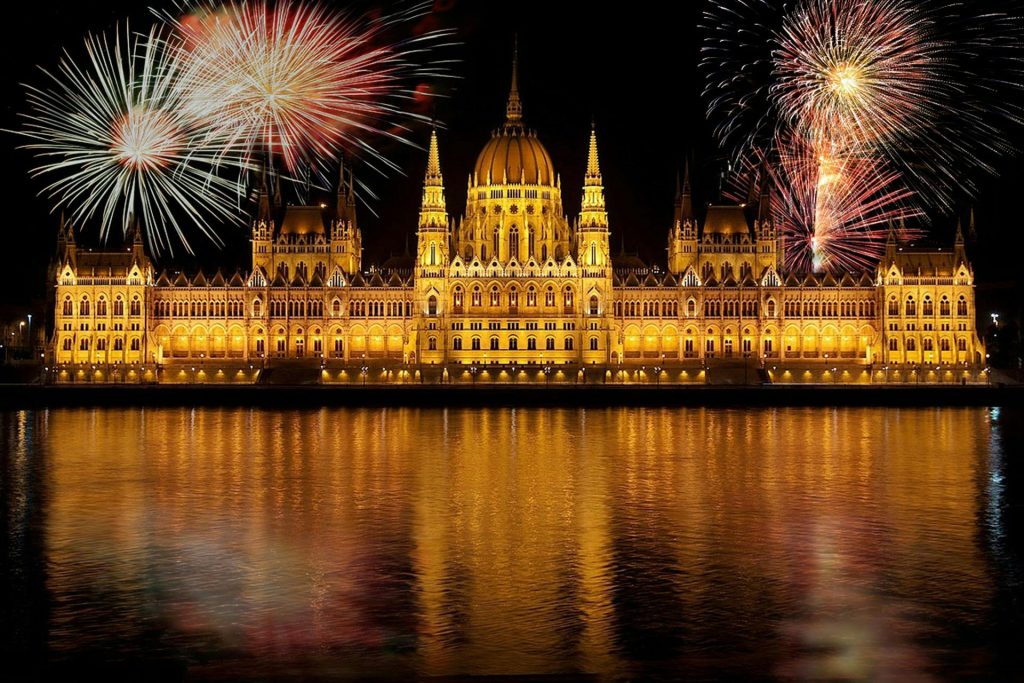
You are about to launch on a journey through the vibrant tapestry of Hungarian culture, where festivals, customs, and celebrations paint a vivid picture of the country’s rich heritage. Each month brings its own unique traditions, showcasing the resilience and creativity of the Hungarian people. By stepping into these events, you will gain insight into their history, significance, and the communal spirit that defines Hungary. Join us as we explore the colorful array of celebrations that fill the calendar year in this captivating nation.
The Vibrant Tapestry of Hungarian Festivals
Major National Festivals and Their Significance
Your experience of Hungarian culture wouldn’t be complete without participating in its major national festivals, which hold deep historical significance and showcase the country’s rich heritage. One of the most prominent is Hungary’s national holiday on March 15, commemorating the 1848 Revolution against the Habsburg rule. The day is marked by patriotic celebrations, including speeches, parades, and the display of the national flag. Another significant occasion is St. Stephen’s Day on August 20, honoring the founding of the Hungarian state. Festivities include colorful fireworks, folk dances, and religious ceremonies, making it a highlight of summer festivities in Hungary.
You’ll also encounter the Hungarian Folk Festival, typically held in late August, which attracts artisans from all over the country. This event emphasizes traditional crafts, folk music, and gastronomy, providing a window into Hungary’s cultural soul. Visitors can taste dishes prepared from age-old recipes and enjoy performances that resonate with the vibrant energy of the past and present.
Regional Festivals: A Celebration of Local Culture
Across Hungary, regional festivals offer a unique glimpse into local customs, traditions, and gastronomy that vary from place to place. Events like the Szeged Vibe Festival celebrate the flavors and sounds of the Southern Great Plain, featuring local wines, the renowned fish soup, and vibrant music performances that reflect the region’s cultural diversity. In the historic town of Eger, the Wine Festival in September draws oenophiles eager to sample the area’s outstanding red and white wines while enjoying live concerts and traditional folk dancing.
Each region’s festival serves as a microcosm of the broader Hungarian experience, allowing you to immerse yourself in the specific traditions and practices unique to that area. Whether you are savoring the delicacies of regional specialties or participating in spirited dance-offs, the atmosphere at these events is always electric. In places such as Tokaj, the harvest is celebrated with a festival that highlights the significance of wine in Hungarian culture, featuring vineyard tours, tastings, and lively musical performances. These celebrations not only honor local heritage but also foster community spirit, inviting both locals and tourists to take part in the vibrant cultural exchange that defines Hungary’s identity.
The Spiritual and Sacred: Religious Observances Throughout the Year
Catholic Traditions and Their Influence on Hungarian Culture
Hungary has a rich history steeped in Catholicism, which is reflected in its many religious traditions and festivals. With approximately 37% of the population identifying as Catholic, this faith is integral to daily life. One of the most significant celebrations is Easter, marked by various customs such as the blessing of the Easter foods and the playful tradition of “sprinkling,” where young men sprinkle water on young women as a symbol of fertility and renewal. The symbolism of these rituals echoes throughout the country’s art and architecture, with ornate churches and cathedrals serving as a testament to Hungary’s deep-rooted Catholic heritage.
Equally important is the Feast of St. Stephen, held on August 20th, which honors Hungary’s first king and the establishment of the Christian state. Celebrations often include processions and fireworks, showcasing national pride intertwined with spiritual reverence. This fusion of faith and nationality illuminates the communal spirit of the Hungarian people, as they gather not just to commemorate their patron saint, but also to reinforce their cultural identity through shared traditions.
The Role of Protestant and Orthodox Customs in Society
Protestantism, particularly Lutheranism and Calvinism, has also made significant contributions to Hungary’s cultural landscape. While Protestants comprise about 15% of the population, their customs have enriched national celebrations like Christmas and Reformation Day. On Christmas, Protestant communities emphasize the spiritual aspects of the holiday, often engaging in caroling and Bible readings that bind families closer together. Additionally, both Lutheran and Calvinist churches advocate for community service, promoting social justice as a central tenet of their faith.
In Orthodox traditions, the approximately 1.5% of Hungarians who identify as Orthodox primarily belong to the Serbian and Greek Orthodox communities. Their customs, although less prominent than Catholic and Protestant practices, offer a unique perspective, particularly during celebrations like Easter. Orthodox Easter is characterized by a different calendar and a focus on midnight liturgies, lending a mystical air to the festivities. Throughout Hungary, the presence of these diverse religious groups nurtures a broader understanding of faith, resulting in a multicultural landscape steeped in celebration and reverence.
Seasonal Celebrations: Embracing Nature’s Cycles
Springtime Traditions: From Easter to Labour Day
In Hungary, spring heralds a time of rejuvenation, marked by deeply-rooted customs that celebrate both nature’s awakening and cultural heritage. Easter, one of the most significant religious festivals, is celebrated with unique practices that resonate through generations. On Holy Saturday, children engage in the tradition of egg rolling, where decorated eggs symbolize fertility and renewal, and these eggs are rolled down hills to see whose rolls the furthest, reflecting a playful competition. The highlight comes on Easter Monday, known as “locsolás,” where young men sprinkle water on women or perfume them, symbolizing the revival of life and beauty. As spring progresses, Labour Day on May 1st transforms the landscape into vibrant demonstrations and festivities celebrating workers’ rights. Parades showcasing unions, music, and dance fill the streets, embodying a spirit of solidarity and community. You might also find friends and families gathering for picnics in blossoming parks, emphasizing the importance of outdoor togetherness during this flourishing season.
Summer Fests: Celebrating the Bounty of the Land
With warmer weather, summer in Hungary brings an abundance of agricultural festivals that celebrate the country’s rich harvest and artisanal traditions. The most notable of these is the Famous Wine Festival in Szeged, typically held in early August. You can enjoy local wines, culinary delights, and traditional folk music as townspeople proudly showcase their vineyards and unique varietals. This festival is a meeting point for both locals and tourists, offering a vibrant atmosphere infused with the joy of the season. Culinary fests, too, abound in summer, where you can savor everything from fresh produce to meats grilled over open flames. The Balaton Wine Festival, alongside smaller village fairs, highlights the country’s agricultural diversity. It’s a feast for the senses: you’ll be surrounded by colorful stalls presenting everything from artisan cheeses to homemade jams, enticing you to taste the local flavors and engage with the passionate farmers and craftsmen behind them. A visit to these summer celebrations not only enriches your palate but also connects you to the farmers, chefs, and artisans who are the heart of Hungary’s agricultural heritage.
Autumn Harvest: Festivals Marking the Season’s Change
The Grape Harvest and Wine Festivals
As the autumn leaves begin to fall, Hungary comes alive with a series of grape harvests and wine festivals, showcasing the country’s rich viniculture. One of the most prominent events, the Sofia Grape Harvest Festival, takes place in the heart of the famous Tokaj wine region every September. Here, you can immerse yourself in the time-honored traditions of grape picking, stomping, and celebratory toasts, all while savoring the full-bodied Tokaji wines that the region is known for. The festival also features live music, folklore performances, and artisan markets, transforming the lush vineyards into a spirited cultural hub.
In addition to Tokaj, regions like Villány and Eger host their own unique grape harvest celebrations, emphasizing local wines and traditional foods. The Villány Wine Festival, for instance, not only celebrates the harvest but also showcases the region’s exceptional red wines, attracting thousands of visitors ready to give their palates a delightful adventure. These festivals become a canvas of vibrant colors, laughter, and community spirit as locals and travelers unite to honor a successful harvest amid the scenic backdrop of the vineyards.
Cultural Significance of the Hungarian Folk Art Festivals
Gathering at folk art festivals across the country, you’ll witness the celebration of Hungarian craftsmanship and heritage, deeply rooted in the nation’s history. Events such as the Festival of Folk Arts in Budapest offer a stunning showcase of traditional crafts, including pottery, embroidery, and woodwork. Artisans from various regions display their skills, allowing you to appreciate the intricate details that reflect the Hungarian way of life. These festivals are not just about commerce; they provide a platform to preserve and pass on traditional craftsmanship to the next generation.
The cultural tapestry woven through these folk art festivals speaks volumes about Hungary’s artistic identity. They serve as a cultural exchange hub, where you can observe traditional dances, listen to folk music, and taste regional delicacies, creating a holistic experience that highlights the richness of Hungarian culture. Young artisans mingling with seasoned masters help keep time-honored techniques alive, ensuring that the spirits of past generations continue to influence contemporary Hungarian art.
Winter Wonder: Holiday Traditions and Modern Celebrations
Christmas Customs: From Advent to Feast Day
The festive season begins in Hungary with Advent, a time filled with anticipation and tradition. Homes are brightly decorated, often featuring an Advent wreath made of fir branches adorned with four candles. Each Sunday leading up to Christmas, you light one additional candle, gradually illuminating the darkness of winter. This practice serves not only as a countdown to Christmas but also as a moment of reflection on the meaning of the season. Many families participate in Advent calendars filled with small treats or surprises, creating a sense of excitement for children and adults alike as they mark the days until the holiday arrives.
New Year’s Eve: Traditions and Superstitions
An imperative aspect of Hungarian culture, New Year’s Eve, or Szilveszter, is marked by vibrant celebrations filled with age-old customs and superstitions that shape how you ring in the new year. Traditionally, people gather for a festive meal that includes lentils, which symbolize wealth and prosperity, and pork, believed to bring good luck. As midnight approaches, the streets come alive with fireworks, parties, and music, ensuring that you welcome the new year with joy and festivity.
Various Hungarian holidays feature unique culinary customs, like the Christmas season when fish soup (halászlé) and poppy seed rolls take center stage, or the spring festival of Easter, where dishes like ham and sweet bread are unavoidable. Festivals often highlight locally sourced ingredients, giving you a taste of the distinct flavors from different regions, and showcasing the nation’s rich agricultural heritage. You’ll quickly see that in Hungary, food isn’t just nourishment—it’s an integral part of a cultural identity and a reason to celebrate life itself.
Life Events: Births, Marriages, and Funerals in Hungarian Tradition
Hungarian traditions surrounding life’s significant events reinforce the communal values embedded within the culture. Births are celebrated with joyful rites, often involving the practice of gathering family to bless the newborn. The baby’s first communion is also a notable event, typically marked by a lavish feast. Weddings are rich with symbolism; for instance, the bride may wear a traditional decorative headpiece known as a “fő”, signifying her transition and the joining of families. A wedding feast is grand, filled with music, dancing, and of course, an abundance of delicious food and drink that lasts well into the night.
Funerals in Hungary are also marked by deeply rooted customs that highlight respect for the deceased and provide comfort to the bereaved. Prior to the funeral, a wake gives friends and family a chance to pay their respects, often accompanied by traditional foods. The customs surrounding funerals reflect the belief in honoring the life of the departed, culminating in a solemn yet celebratory remembrance, emphasizing shared grief and community support.
From Folklore to Modernity: The Evolution of Traditions
How Historical Events Shaped Current Celebrations
Throughout the centuries, various historical events have left an indelible mark on Hungarian celebrations. For instance, the 1956 Revolution against Soviet rule sparked a revival of national pride and traditions. This led to a renewed interest in folk arts and crafts, particularly in rural villages, where the preservation of customs became a silent protest against oppressive regimes. Major events like the annual Busójárás in Mohács, which celebrates the defeat of the Ottoman Turks, showcase not just folklore but also the collective memory of resilience and cultural identity that defines the nation. You may notice that each festival embodies echoes of Hungary’s tumultuous past, effectively transforming them into modern affirmations of freedom and identity.
Moreover, the impact of World Wars I and II altered many community celebrations. Many pre-war customs disappeared, while post-war changes birthed new festivals combining pre-existing traditions with contemporary themes. For instance, while Szent István Day, which honors the founder of the Hungarian state, has ancient roots, its modern celebrations now include lively concerts and food fairs. These adaptations reflect not only the pride in your heritage but also the evolution of national identity through celebration.
The Challenges of Preserving Traditions in a Globalized World
In today’s interconnected society, maintaining Hungarian traditions faces significant challenges. As globalization accelerates the mixing of cultures and ideas, many time-honored practices risk fading into obscurity. Younger generations, drawn to modern lifestyles and global trends, may prioritize contemporary celebrations over local customs. You might find that traditional folk dances and cuisine are increasingly overshadowed by the ubiquitous allure of fast-food chains and pop culture, leading to a cultural dilution that can compromise the richness of your heritage.
The battle to keep traditions alive often requires a concerted effort from communities, families, and cultural institutions. Workshops, festivals emphasizing local heritage, and educational programs are crucial in reigniting interest among younger audiences. As you participate in local events, your investment in these customs reinforces their likelihood of persistence. Public initiatives aimed at showcasing these festivals, along with digital platforms highlighting their significance, also play a critical role in bridging the gap between ages. This way, as globalization continues to provide both opportunities and challenges, traditions can adapt, not disappear, ensuring that the essence of Hungarian culture thrives for generations to come.
Engaging with Hungarian Traditions: How to Participate
Tips for Travelers to Experience Festivals First-Hand
Participating in Hungarian festivals provides a unique opportunity to immerse yourself in the culture and traditions of this vibrant nation. Timing your visit is necessary; plan your trip around prominent festivals like the Budapest Spring Festival in April or the Busójárás Carnival in Mohács each February. Engaging with locals will enrich your experience; don’t hesitate to ask for recommendations on food, events, and must-see sights during festivities. Additionally, consider downloading local festival calendars or seeking information from your accommodation to stay updated on ongoing events. When you arrive, join in the celebrations! Wear traditional attire if available, as many festivals encourage participation in local dress. Be sure to sample local delicacies, like chimney cake or lángos, and partake in folk dances or music performances to fully embrace the event. Getting involved with workshops or hands-on activities often offered during these festivities can deepen your understanding of Hungarian culture.
- Check local schedules for festival dates and venues.
- Engage with locals for insider tips and recommendations.
- Try local food specialties available at festival stalls.
- Participate in traditional dances or music performances.
- Look for workshops to learn crafts or cooking methods.
This engagement will create unforgettable memories and a genuine connection to Hungarian customs.
Ways to Incorporate Hungarian Customs into Daily Life
Integrating Hungarian customs into your daily life allows you to feel a continuous connection with this rich culture beyond just fleeting visits. Start with culinary practices—explore Hungarian recipes and prepare dishes like gulyás (goulash) or töltött káposzta (stuffed cabbage) at home, making them part of your regular meal rotation. This not only introduces diverse flavors into your culinary repertoire but also serves as a delightful exploration of Hungarian heritage through food. Additionally, consider celebrating minor holidays or observances that are woven into the fabric of daily life in Hungary. For instance, you might light a candle or offer a toast with pálinka (fruit brandy) during festive seasons such as Advent or Lent. Balancing modern life with these traditions enriches your daily experiences, fostering a deeper appreciation for cultural practices. Adopting simple habits, such as participating in seasonal decorations or listening to Hungarian folk music, can turn these customs into cherished parts of your routine, connecting you to Hungary’s vibrant cultural narrative.
Celebrate with Hungary!
The exploration of Hungarian traditions, festivals, customs, and celebrations throughout the year offers you a unique insight into a rich cultural tapestry. Each event, whether it be a lively carnival, a solemn national holiday, or a cheerful harvest festival, reflects the values, history, and communal spirit of the Hungarian people. By participating in these traditions, you not only enhance your understanding of Hungary but also connect on a deeper level with its locals, fostering mutual respect and appreciation. This cultural immersion can greatly enrich your travels or any personal endeavors you may have related to Hungary.
In engaging with Hungary’s vibrant traditions, you’re given the opportunity to celebrate life in all its forms, from the joyous to the reflective. Understanding the significance behind each festival and custom allows you to appreciate not just the ‘what’ but the ‘why’ of the celebrations. As you navigate through your experiences in Hungary, take the time to embrace these moments, as they can offer you valuable insights and unforgettable memories that will last a lifetime. By fostering an appreciation for Hungarian customs, you are embracing an integral part of the identity that shapes this extraordinary country.


