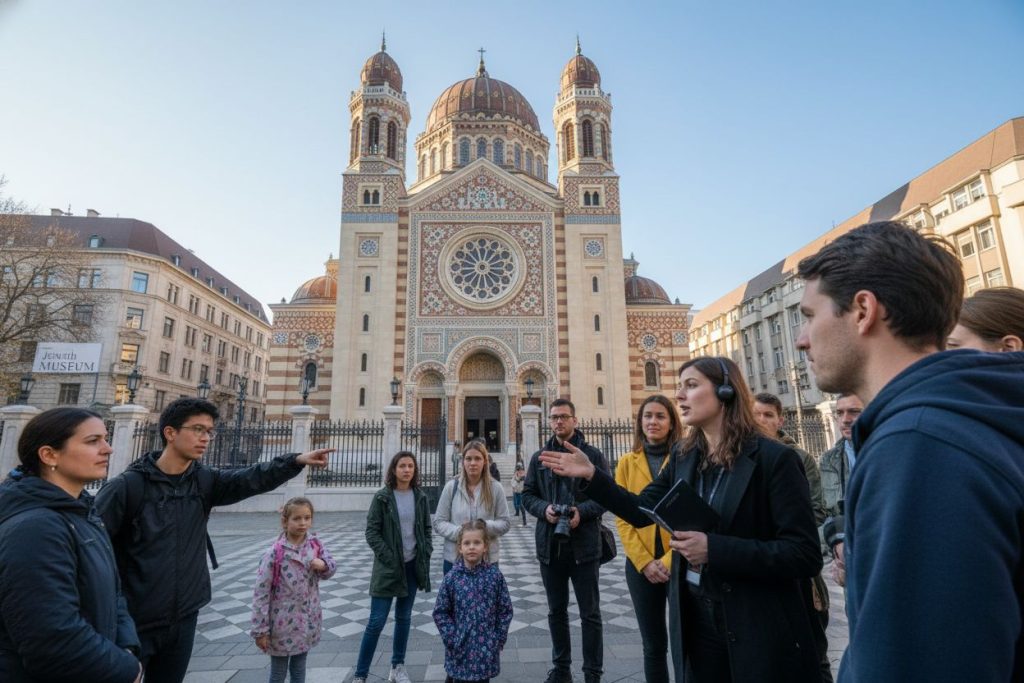
Did you know that the Great Synagogue in Budapest is the largest in Europe and the second largest worldwide? This impressive fact reflects a centuries-old Jewish community whose heritage shapes much of the city’s vibrant character. Visitors and locals alike find themselves drawn to Budapest’s Jewish Quarter, where stories of resilience and cultural richness live on through iconic landmarks, thriving social scenes, and powerful memorials that honor the past while shaping the present.
Key Takeaways
| Point | Details |
|---|---|
| Rich Jewish Heritage | Budapest’s Jewish Quarter reflects a blend of historical trauma and vibrant culture, showcasing resilience through its landmarks and community. |
| Significant Landmarks | Key sites like the Great Synagogue and memorials like the Tree of Life highlight the historical narrative of the Jewish community and the impact of the Holocaust. |
| Cultural Transformation | The Jewish Quarter has evolved into a lively hub of art, dining, and social interaction, exemplified by ruin bars and cultural events. |
| Respectful Engagement | Visitors should approach Jewish heritage sites with respect and awareness, adhering to cultural etiquette and seeking guided tours for deeper understanding. |
Table of Contents
- Understanding Jewish Heritage In Budapest
- Historical Evolution And Key Milestones
- Significance Of Synagogues And Landmarks
- Cultural Influence On Modern Budapest
- Tips For Experiencing Jewish Heritage Sites
Understanding Jewish Heritage in Budapest
Budapest carries an extraordinary Jewish heritage that reflects centuries of cultural richness, tragedy, and resilience. The city’s Jewish Quarter stands as a profound testament to a community that has both suffered immensely and demonstrated remarkable survival. Explore more about Budapest’s historic landscape to understand the deeper context of this vibrant cultural narrative.
At the heart of Budapest’s Jewish heritage lies the Great Synagogue, which holds the remarkable distinction of being the largest synagogue in Europe. According to research from GPSMyCityTravel, this architectural marvel is not just a religious landmark, but a symbol of historical significance. Alongside the synagogue, the adjacent Jewish Museum offers visitors an immersive journey through the community’s complex history, showcasing artifacts, personal stories, and cultural artifacts that bring the narrative to life.
The city also memorializes the profound tragedy of the Holocaust through powerful monuments like the Tree of Life memorial, which stands as a poignant tribute to victims. Located within the Raoul Wallenberg Holocaust Memorial Park, this installation commemorates the thousands of Jewish lives lost during World War II. Surrounding areas like the Shoes on the Danube Bank provide haunting reminders of the human cost of persecution, inviting visitors to reflect on the importance of remembrance and understanding.
Today, Budapest’s Jewish Quarter has transformed into a vibrant cultural hub that beautifully balances historical reverence with contemporary energy. The area now features:
- Unique ruin bars offering eclectic atmospheres
- Stunning street art reflecting modern Jewish creativity
- The historic Gozsdu Courtyard, a center of social and cultural exchange
- Numerous kosher restaurants and cultural centers
This dynamic neighborhood demonstrates how Jewish culture in Budapest continues to evolve, celebrate its heritage, and contribute to the city’s rich multicultural tapestry.
Historical Evolution and Key Milestones
The history of Jewish communities in Budapest is a profound narrative of survival, resilience, and extraordinary transformation. Prior to World War II, Budapest was home to one of the largest Jewish populations in Europe, with a vibrant cultural and intellectual landscape that significantly shaped the city’s identity. Explore Hungary’s comprehensive historical journey to understand the broader context of this remarkable community.
According to historical records, the most devastating period for Budapest’s Jewish population occurred during World War II. In late 1944, a Budapest Ghetto was established, forcibly relocating approximately 70,000 Jews into a confined area under horrific living conditions. This tragic chapter represented a systematic attempt to isolate and ultimately eliminate the Jewish community, with many residents facing deportation and potential death.
The Holocaust memorials scattered throughout Budapest serve as powerful reminders of this dark historical period. Landmarks like the Shoes on the Danube Bank memorialize the thousands of Jewish victims who were brutally murdered along the riverbank. According to research, these memorials also highlight the extraordinary stories of humanitarian rescuers like Carl Lutz, who risked their lives to protect Jewish residents during the most dangerous periods of World War II.
The post-war period witnessed a remarkable renaissance of Jewish culture in Budapest. Key milestones in this reconstruction include:
- Restoration of historic synagogues
- Establishment of Jewish cultural centers
- Creation of Holocaust remembrance institutions
- Revival of Jewish educational and community programs
Today, Budapest’s Jewish community represents a testament to human resilience, transforming historical trauma into a vibrant, forward-looking cultural identity that continues to enrich the city’s multicultural landscape.
Significance of Synagogues and Landmarks
Budapest’s Jewish architectural landscape represents an extraordinary fusion of historical preservation, cultural expression, and spiritual significance. These remarkable structures are far more than mere buildings – they are living testimonies to centuries of Jewish community resilience and artistic achievement. Discover more about Hungary’s rich architectural heritage to appreciate the broader context of these magnificent landmarks.
The Dohány Street Synagogue stands as the crown jewel of Budapest’s Jewish architectural heritage. According to research from AFAR Magazine, this extraordinary structure is not only the largest synagogue in Europe but also the second-largest worldwide. Built in a stunning Moorish Revival style, the synagogue represents a profound architectural and cultural milestone. Its intricate design, featuring elaborate decorative elements and monumental scale, symbolizes the historical significance and artistic sophistication of Budapest’s Jewish community.
Another architectural gem is the Rumbach Street Synagogue, which offers a fascinating narrative of cultural transformation. Constructed in 1872 and designed by renowned architect Otto Wagner, this Moorish Revival masterpiece has undergone significant restoration. Since 2021, the synagogue has been reimagined as a multi-purpose space, serving simultaneously as a concert hall and Jewish museum. This adaptive reuse demonstrates how historical landmarks can continue to serve contemporary cultural needs while preserving their historical essence.
These synagogues and landmarks represent more than architectural achievements. They embody key aspects of Jewish cultural heritage:
- Preservation of historical architectural styles
- Commemoration of community resilience
- Spaces for religious and cultural expression
- Educational centers for understanding Jewish history
Through these magnificent structures, Budapest continues to honor its Jewish heritage, transforming historical spaces into living monuments that educate, inspire, and connect generations.
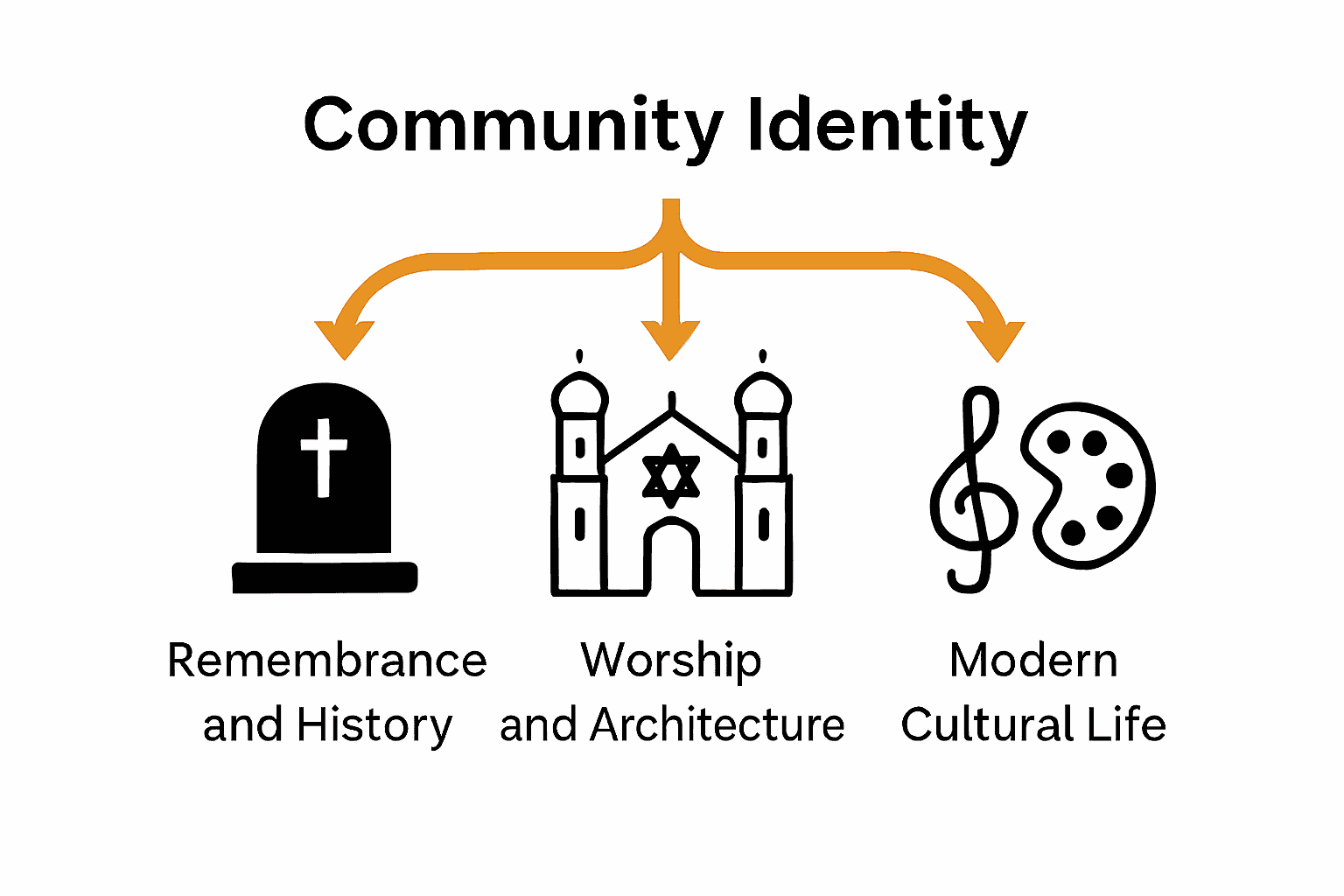
Here’s a summary of Budapest’s major Jewish heritage sites and their significance:
| Landmark/Site | Main Significance | Current Role |
|---|---|---|
| Dohány Street Synagogue | Largest in Europe Moorish Revival style |
Active synagogue Jewish Museum Memorial park |
| Rumbach Street Synagogue | Historic 19th-century design Restored in 2021 |
Concert hall Cultural events Jewish museum |
| Great Synagogue | Architectural marvel Symbol of survival |
Religious center Heritage tours |
| Tree of Life Memorial | Holocaust remembrance Commemorates victims |
Memorial site Quiet reflection |
| Shoes on the Danube Bank | Tribute to Holocaust victims Historical tragedy |
Outdoor memorial Public education |
Cultural Influence on Modern Budapest
The Jewish Quarter of Budapest has transformed from a historical neighborhood into a vibrant epicenter of contemporary urban culture, reinventing itself with remarkable creativity and resilience. Learn more about Budapest’s architectural evolution to understand how historical spaces continually reshape urban experiences. This area now represents a dynamic fusion of historical memory and modern artistic expression, where traditional heritage meets cutting-edge creativity.
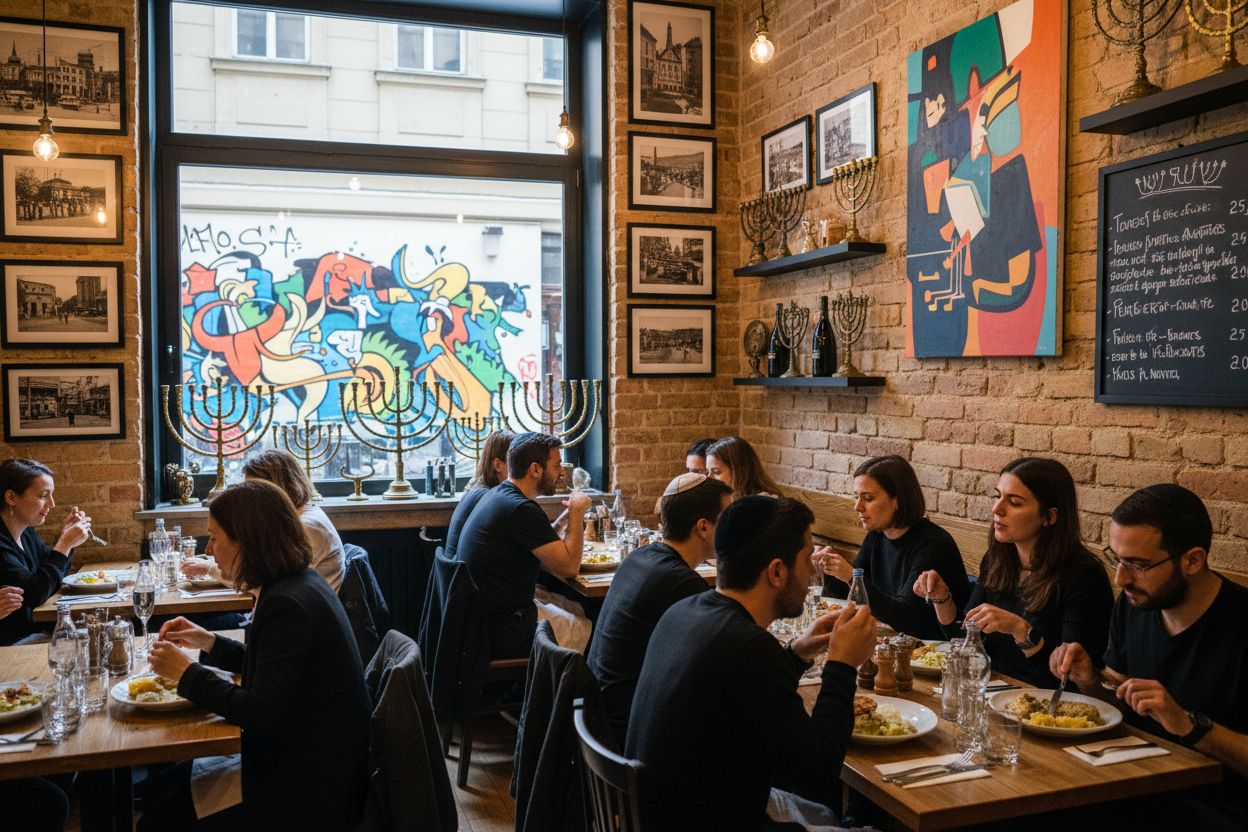
One of the most fascinating transformations has been the emergence of ruin bars, a quintessential Budapest cultural phenomenon. According to Wikipedia, these unique venues originated in the Jewish Quarter by repurposing abandoned buildings into eclectic social spaces. Szimpla Kert stands as the pioneering establishment that sparked this movement, turning dilapidated structures into vibrant nightlife destinations that blend art, music, community gathering, and cultural exchange.
The Gozsdu Udvar exemplifies another remarkable manifestation of cultural revitalization. This historic courtyard from the early 20th century has been masterfully transformed into a bustling entertainment district. Research indicates that it now hosts a diverse ecosystem of restaurants, bars, markets, and cultural events that attract both locals and international visitors. The space embodies how Jewish Quarter heritage can fuel contemporary urban experiences, creating a living, breathing testament to cultural adaptation and renewal.
Today’s Jewish Quarter represents a multifaceted cultural landscape that celebrates diversity and creativity:
- Innovative street art adorning historic buildings
- Multicultural culinary experiences
- Contemporary art galleries
- Music and performance venues
- Vintage markets and design shops
This neighborhood demonstrates how cultural heritage can be a dynamic, evolving narrative—not a static museum piece, but a living, breathing expression of community resilience and creativity.
Tips for Experiencing Jewish Heritage Sites
Visiting Budapest’s Jewish heritage sites requires thoughtful preparation and deep respect for the historical and cultural significance of these landmarks. Explore Hungary’s cultural traditions to understand the broader context of experiencing cultural sites with sensitivity. Each memorial and synagogue tells a profound story that demands mindful engagement and reverence.
When planning your visits, practical considerations are crucial. According to Budapest tours research, visitors should observe specific etiquette guidelines. Dress modestly when entering synagogues, with women recommended to carry head coverings. Be aware of visiting hours, particularly around Shabbat and Jewish holidays when sites might have restricted access. Guided tours are highly recommended, as they provide essential historical context and nuanced understanding that goes beyond surface-level observations.
Memorial sites require especially sensitive approaches. Research from Gozeppelin Tours highlights the importance of respectful remembrance at locations like the Carl Lutz Memorial and the Tree of Life. These sites commemorate complex, painful histories. When visiting Holocaust memorials such as the Shoes on the Danube Bank, approach with quiet reflection. Photography is often permitted, but always confirm local guidelines and avoid disruptive behavior that might dishonor the memory of those commemorated.
Here are key tips for meaningful Jewish heritage site experiences:
- Research site-specific dress codes beforehand
- Book guided tours for deeper historical insights
- Arrive early to avoid crowds
- Carry cash for entrance fees and potential donations
- Maintain a respectful, quiet demeanor at memorial sites
- Learn basic Hungarian phrases as a sign of cultural respect
- Check seasonal opening hours and holiday closures
Remembering these sites is about understanding history, honoring memory, and connecting with the resilient spirit of Budapest’s Jewish community.
Discover Budapest’s Living Jewish Heritage With Us
Are you fascinated by the deep stories and enduring spirit found in Budapest’s Jewish Quarter but unsure how to make the most of your visit? Many travelers struggle to connect with these historical sites in a meaningful way. Understanding the real impact of places like Dohány Street Synagogue or the Shoes on the Danube Bank goes beyond simply walking past them. If your goal is to honor the past while diving into the vibrant present of Budapest’s Jewish culture, you want guidance that respects both the tragedies and triumphs of this extraordinary community.
Unlock the best local insights and standout experiences by exploring our curated Budapest guides. Browse tips for honoring remembrance at key memorials and discover must-see synagogues, cultural venues, and contemporary Jewish art. Begin your journey to an authentic, respectful, and unforgettable Budapest experience at It’s Hungary. Start planning now for real cultural immersion and see Budapest’s Jewish heritage through expert eyes.
Frequently Asked Questions
What are the must-see Jewish heritage sites in Budapest?
The must-see Jewish heritage sites in Budapest include the Great Synagogue, the Dohány Street Synagogue, the Rumbach Street Synagogue, the Tree of Life Memorial, and the Shoes on the Danube Bank memorial. Each site offers a unique perspective on the history and culture of the Jewish community in Budapest.
How did the Jewish community in Budapest evolve over time?
The Jewish community in Budapest has a rich history marked by significant cultural contributions prior to World War II, followed by a tragic period during the Holocaust. After the war, there was a renaissance of Jewish culture, with the restoration of synagogues and the establishment of cultural centers, leading to the vibrant community seen today.
What role do memorials play in representing Jewish heritage in Budapest?
Memorials like the Tree of Life and the Shoes on the Danube Bank serve as poignant reminders of the Holocaust and the lives lost during this dark period. They honor victims, encourage reflection, and promote awareness of Jewish history and resilience.
How can visitors respectfully engage with Jewish heritage sites in Budapest?
Visitors should dress modestly when entering synagogues, observe local customs, and maintain a respectful demeanor at memorial sites. Guided tours are recommended to gain deeper insight into the historical significance of these locations and to enhance the overall experience.


